| Key Points | Details to Remember |
|---|---|
| 🐶 Origin | Evolution from Pyrenean shepherds to a guardian role. |
| ❄️ Environment | Adaptation to mountain climate and rugged terrain. |
| 🛡️ Temperament | Strong protective instinct and adjustable sociability. |
| ✂️ Grooming | Regular brushing to prevent knots and overheating. |
| 🎓 Education | Patient, positive, and consistent approach. |
| 🔍 Health | Monitoring of joints and eyesight. |
Both imposing and gentle, the Great Pyrenees fascinates with its immaculate coat and vigilant gaze. Heir to a long companionship with alpine shepherds, he has managed to maintain an almost royal autonomy while developing deep bonds with those he protects. In this article, we explore his origins, daily needs, and the keys to fostering his well-being in a modern home.
History and Origins
From Pyrenean Shepherds to American Grounds
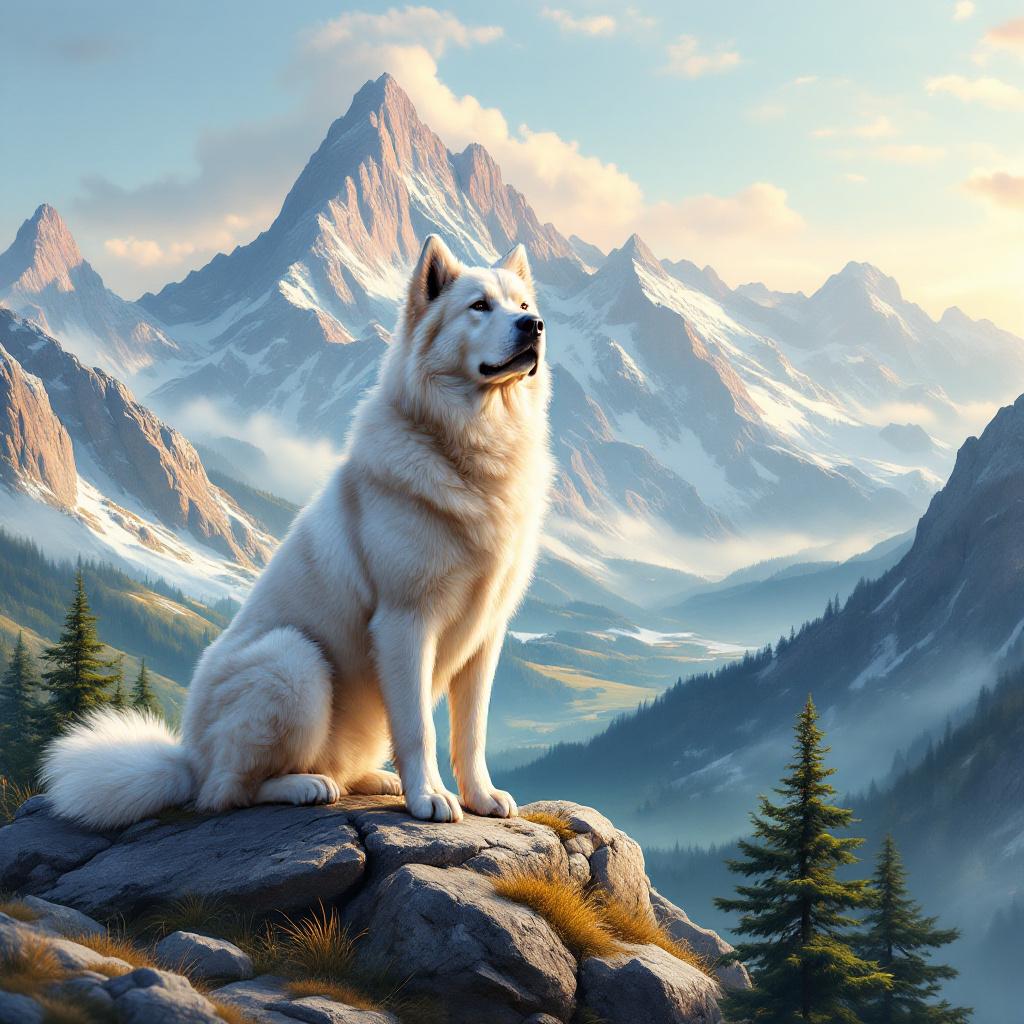
Few breeds are as deeply rooted in their land as the Great Pyrenees. For centuries, these dogs embodied the first line of defense for flocks against predators. Their massive silhouette, covered with a white coat, was an ingenious camouflage in the snow and inspired respect and trust. When American breeders imported a few specimens at the beginning of the 20th century, they quickly understood that their unique combination of courage and gentleness would find a place both on farms and in urban family yards.
Character and Temperament
Guarding Instinct and Sociability
The Great Pyrenees possesses an innate sense of protection that manifests as constant vigilance. Yet behind this sentinel posture lies a deeply affectionate nature towards his group. In the presence of children or guests, he knows how to show patience and tolerance, even if he may be caught growling to signal a boundary.
Just like the Chow Chow, his initial wariness of strangers often dissipates when you facilitate gentle introductions. Gradually, he develops selective trust, recognizing familiar faces and relying on your judgment to welcome or repel a visitor.
Care and Maintenance
Brushing and Grooming
Its dense coat requires regular attention: a thorough brushing two to three times a week helps eliminate dead hairs and dirt, while preventing the formation of mats. During shedding periods – generally in spring and autumn – it can lose up to 30% of its coat, justifying more frequent sessions.
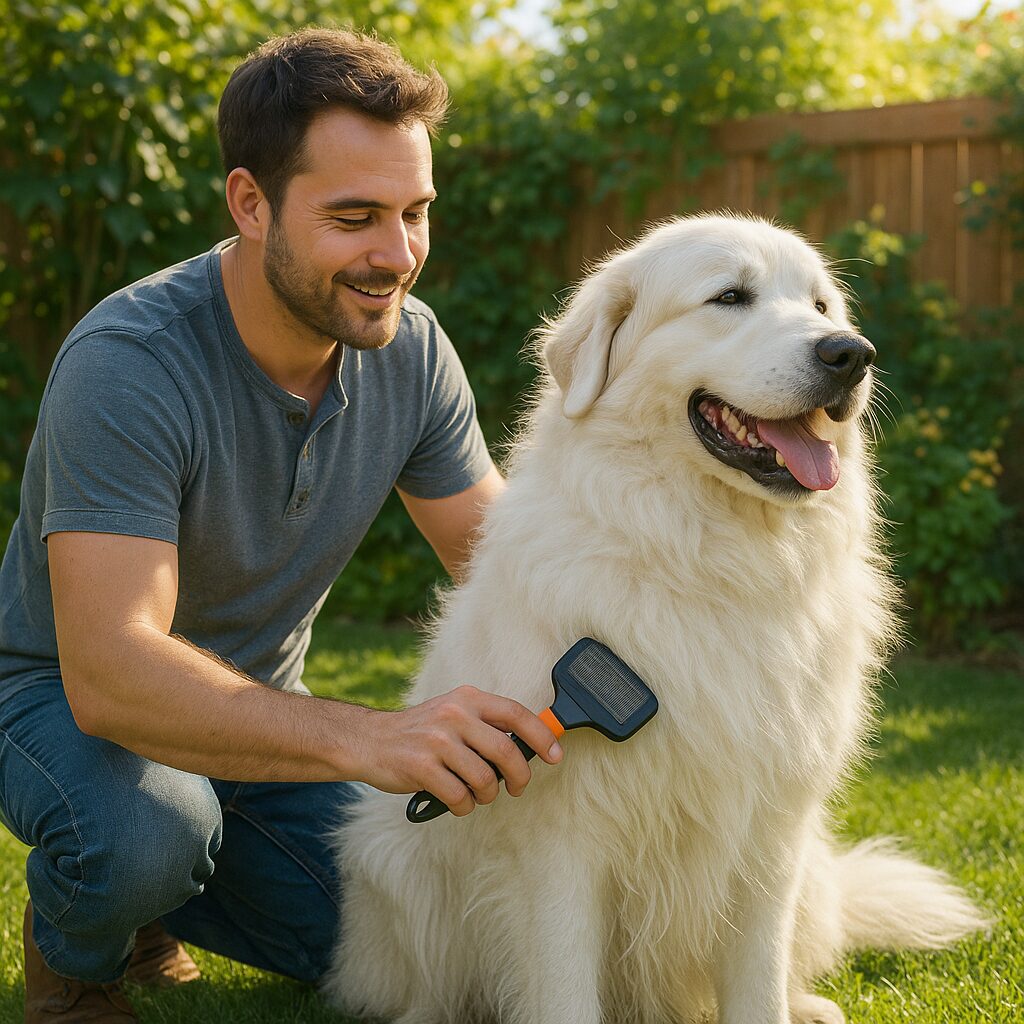
To ensure skin health, a fine comb is sometimes added on sensitive areas, such as behind the ears or under the neck, where material easily accumulates. A quarterly bath, if necessary, should be done with a mild shampoo specially formulated for long coats, without excessive rinsing.
Exercise and Suitable Environment
Despite its size, the Great Pyrenees does not require hours of jogging. What matters to it is a space where it can patrol freely and satisfy its need for territorial marking. A large fenced yard, a secure big garden, or even sustained walks around a lake are perfectly suitable. Just make sure to alternate calm walks and more dynamic exercises to maintain its musculature and avoid boredom.
Training and Socialization
Respectful and Consistent Methods
Its calm strength makes coercive approaches ineffective, even counterproductive. On the contrary, positive methods based on reward and predictability of rules are very successful. For example:
- Set a clear boundary from an early age (learning the resting place).
- Reward every progress, even minimal, with treats or petting.
- Keep sessions short and frequent rather than one long and exhausting session.
Note that its mental maturity can take up to three years: patience is therefore key to helping this dog find its rightful place in the family hierarchy.
Health and Life Expectancy
Predispositions and Regular Check-ups
Like many large breeds, the Great Pyrenees shows a predisposition to hip dysplasia and eye problems (entropion, cataract). A biannual veterinary follow-up – including X-rays and fundus examination – allows early detection of abnormalities. Thanks to medical advances, its average life expectancy reaches 10 to 12 years.
Veterinary Care Tracking Table
| Frequency | Type of Care | Objective |
|---|---|---|
| Biannual | General check-up | Weight and mobility control |
| Annual | Hip X-rays | Detection of dysplasia |
| Annual | Eye examination | Detection of vision disorders |
| Quarterly | Deworming | Parasite prevention |
| Biannual | Dental brushing | Oral hygiene |
The Great Pyrenees Within the Family
Beneath its calm giant appearance lies a companion deeply attached to those it considers its own. It will become a patient player with children, a silent confidant during your reading moments, and a vigilant guardian when night falls. Its presence reassures, provided its need for independence and space is respected.
FAQ
What is the ideal size of an enclosure for a Great Pyrenees?
An enclosure of at least 200 m², well fenced and secure, allows the Great Pyrenees to patrol and expend energy without stress.
Does the Great Pyrenees tolerate heat?
Its double coat protects it from the cold but makes it sensitive to high heat. Ensure it has a shaded shelter and constant hydration in summer.
Is it possible to walk a Great Pyrenees in the city?
Yes, provided it has been socialized early and you can manage its large size. Prefer off-peak hours to avoid crowds.