| Key Points | Details to Remember |
|---|---|
| 🐶 Treatment Definition | Bravecto is a flea and tick treatment |
| ⚙️ Mode of Action | Prolonged release over 12 weeks |
| ⚠️ Potential Risks | Rare neurological reactions |
| 🔎 At-Risk Groups | Puppies and sensitive dogs |
| 🔄 Alternatives | Natural or topical options |
The controversy surrounding Bravecto continues to spark discussion on forums and among veterinarians. On one hand, this tablet revolutionizes the fight against fleas and ticks thanks to its action lasting up to three months. On the other hand, some owners worry about more or less severe, even concerning side effects. This article explores in detail the treatment mechanisms, reported risks, available alternatives, and practical advice to make an informed decision.
What is Bravecto?
Bravecto is a veterinary medicine based on fluralaner, a compound from the isoxazoline family. It comes in the form of a chewable tablet (for dogs) or a spot-on (for cats). The uniqueness of Bravecto lies in its long duration of action: a single dose protects your dog against fleas for 12 weeks and against certain ticks for up to 8 weeks. This last point explains the product’s popularity, especially among owners seeking convenience.
How does Bravecto work?
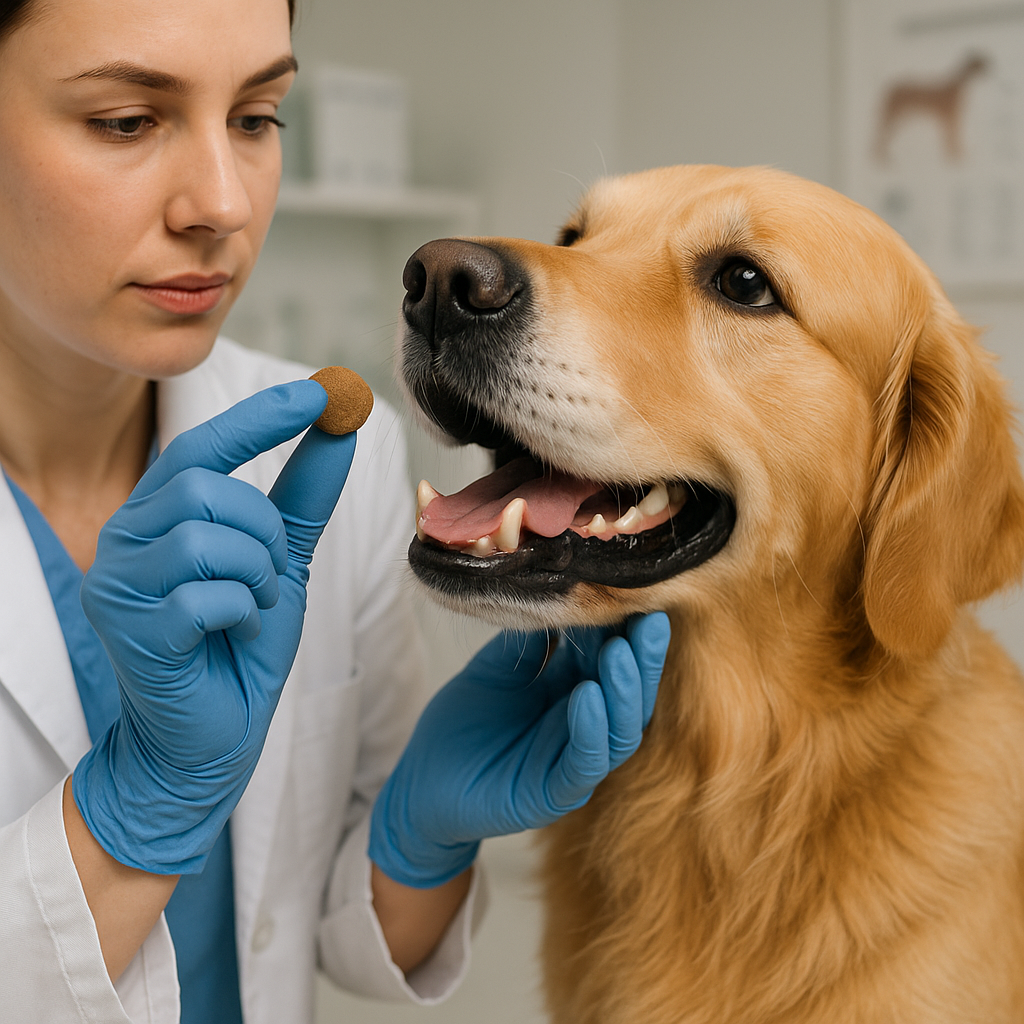
Once ingested, fluralaner is rapidly absorbed into the dog’s bloodstream. In its active form, it specifically targets the nervous system receptors of arthropods. By disrupting the nerve transmission of fleas and ticks, it causes their paralysis and then death. The systemic effect means that any insect bite is blocked before the animal develops an infestation. In practice, this allows continuous coverage, whereas other treatments require monthly or weekly application.
Advantages of prolonged release
- Fewer repeated handling and less stress for the animal.
- Reduction of missed doses that can lead to relapses.
- Single administration suitable for travel or very busy owners.
The controversy and identified risks
Reports of cases of convulsions, ataxia, or vomiting after administration have triggered alerts in several countries. European health authorities have reviewed these reports and maintained the benefit/risk balance in favor of the medication, while recommending increased vigilance.
Observed side effects
- Neurological symptoms: tremors, coordination disorders;
- Gastrointestinal systems: diarrhea, vomiting;
- Skin reactions: localized itching, redness;
- Rare cases: anaphylactic reactions.
Studies and veterinary feedback
Several veterinary publications show that more than 80% of dogs tolerate Bravecto perfectly. Reported incidents generally concern predisposed subjects: aged animals, immunocompromised, or already affected by neurological disorders. Some veterinarians therefore recommend a prior health check, especially for sensitive breeds or dogs with chronic diseases.
Who is really at risk?
Despite its good safety profile, Bravecto deserves to be administered with caution in:
- Puppies under 8 weeks old or weighing less than 2 kg;
- Dogs with a history of epilepsy or convulsions;
- Animals allergic or presenting liver disorders.
If your veterinarian confirms a risk factor, they may recommend an adjusted dosage or an alternative product.
Alternatives to consider
Several categories of solutions exist for those who prefer to avoid fluralaner:
- Topical products (spot-on) containing fipronil or permethrin;
- Anti-parasitic collars based on deltamethrin or imidacloprid;
- Natural solutions: diluted essential oils, dietary supplements;
- Shampoos and pipettes to be renewed every 4 to 6 weeks.
Each of these options presents its own efficacy/convenience ratio. The key is to evaluate the frequency of outings, the level of infestation in your geographical area, and your dog’s sensitivity.
Practical advice for owners
- Carefully monitor any abnormal behavior during the 48 hours following administration.
- Note the date of administration in a dedicated health notebook or mobile app.
- Set a calm moment for giving the tablet, without external stress.
- Consult immediately in case of vomiting within the hour following ingestion.
- Discuss your dog’s medical history with the veterinarian.
FAQ
Can Bravecto kill a dog?
No, provided the prescribed doses are respected and there is no specific contraindication in your companion’s medical record.
How to recognize a serious side effect?
Warning signs include convulsions, significant tremors, marked difficulty moving, or sudden behavior changes. If these symptoms occur, contact a veterinarian as soon as possible.
What to do if my dog refuses the tablet?
You can hide it in a tasty bite or request a spot-on version. Some pharmacists also offer a specially formulated tasty coating to facilitate administration.
What are the alternatives if my dog reacts badly?
Topical treatments (spot-on, collars) or natural solutions can replace Bravecto. Discuss with your veterinarian to adapt the anti-parasitic protocol.