


Like humans, dogs can suffer from digestive disorders that range from mild to severe. Whether temporary or persistent, these disorders should always be taken seriously. An attentive owner is often the first line of defense against these problems. By recognizing early signs, many complications can be avoided.
Digestive signs to know
A dog cannot say it has a stomach ache. But it sends clear signals. Among the most common:
- Repeated vomiting, sometimes accompanied by bile
- Sudden diarrhea or prolonged soft stools
- A tense or bloated belly
- Loss of appetite or unusually lethargic behavior
- Excessive salivation or whining when the belly is touched
These signs should not be taken lightly. For example, a dog that suddenly starts vomiting and refuses to eat may have ingested something toxic or indigestible. The faster you react, the better the chances of preventing serious complications.
What causes digestive disorders in dogs

The causes can be multiple. One of the most common is a sudden change in diet: switching from kibble to homemade food without transition can disrupt the intestinal flora.
Dogs are also known for their gustatory curiosity… not always happily. It is not uncommon for them to ingest toxic objects or foods (cooked bones, chocolate, waste). Another frequent cause: stress. Moving house, prolonged absence of the owner, or even the arrival of a new companion can disrupt their digestion.
Finally, intestinal parasites (worms, giardia, etc.) are a classic and too often underestimated cause.
Good practices to adopt in case of digestive disorder
When faced with a dog that is vomiting or has diarrhea, the first thing to do is often to withhold food for 12 to 24 hours (except for puppies or weakened dogs, where veterinary advice is necessary). This allows the digestive system to rest.
It is essential to ensure that it continues to hydrate: offer fresh water in small amounts, several times a day.
When symptoms begin to subside, a gradual reintroduction with a digestive diet is recommended: very well-cooked rice, boiled chicken breast, steamed zucchini.
Also monitor the stools: their appearance, frequency, presence of blood or mucus are good indicators of the dog’s digestive state.
When to consult urgently?
- Blood in vomit or stools
- A prostrate dog, very pale gums, abnormal breathing
- A rapidly swollen belly (risk of stomach torsion)
- Visible dehydration: dry gums, skin that takes time to return to place
When in doubt, it is better to consult too early than too late.
🩺 Veterinary advice
“Digestive disorders are one of the most common reasons for consultation. In case of doubt, do not wait: simple diarrhea can mask a serious infection or poisoning. The speed of intervention often makes all the difference.”
— Dr. Isabelle Lemaitre, veterinary behaviorist
Better to Prevent: Fundamental Advice
Your dog’s digestive health starts with daily choices. Quality food, a gradual transition between different types of food, and access to clean, fresh water are essentials.
Add to that regular deworming, monitoring of stools, and attention to your companion’s behavior, and you will have a good shield against most digestive disorders.
🤔 Frequently Asked Questions (FAQ)
My dog has had diarrhea for 2 days but is eating well. Should I be worried?
Yes, even if appetite is maintained, persistent diarrhea can hide an intestinal imbalance, an infection, or an intolerance. Consult a vet if it lasts more than 48 hours.
Can I give my dog rice and ham if he is sick?
Rice yes, very well cooked. Ham, no: too fatty and salty. Prefer boiled white meat without salt.
Should I always deworm my dog?
Yes, at least twice a year, or even four times if your dog lives in contact with children or other animals.
Which breeds are most sensitive digestively?
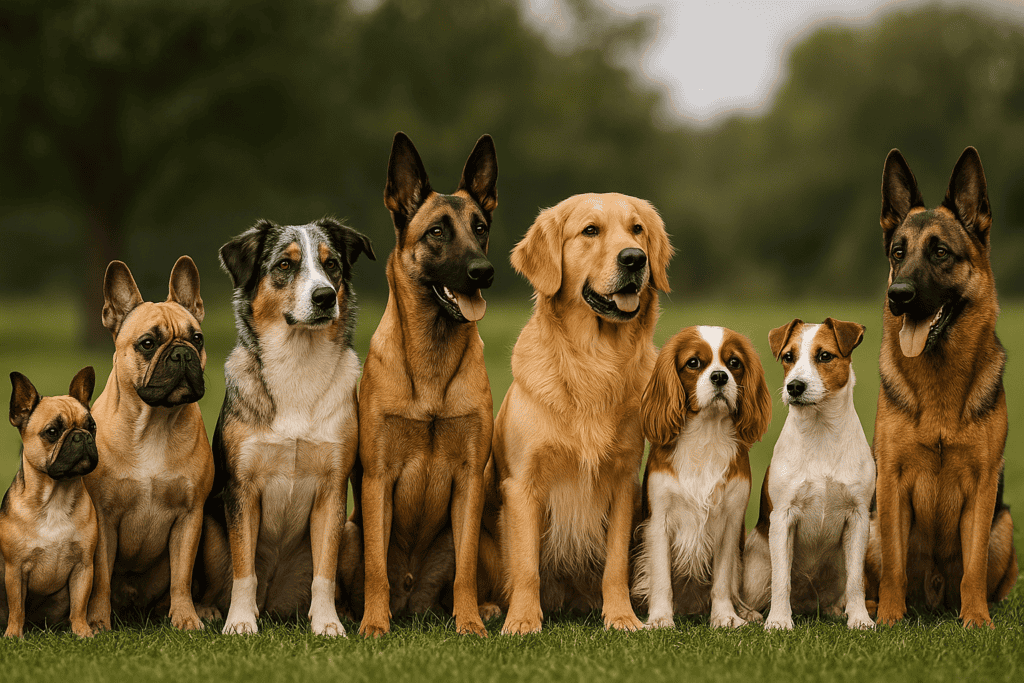
The French Bulldog, the Boxer, the Labrador, the Yorkshire, or the German Shepherd are known for their intestinal sensitivity.



