
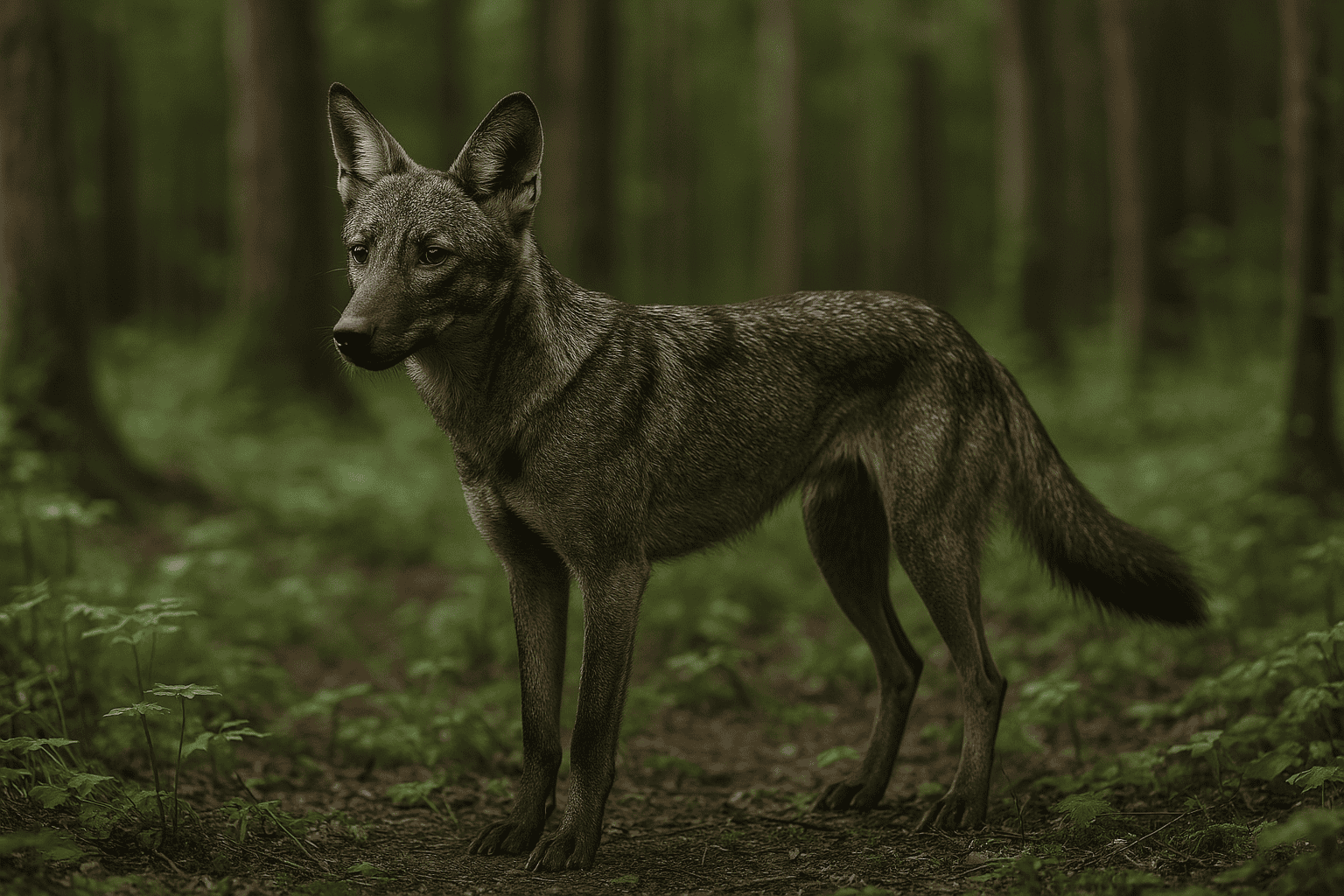

The animal kingdom is full of fascinating stories of hybridization and unlikely crossings, revealing the sometimes surprising creativity of natural evolution or, more rarely, the forced proximity of species. Among these cases are the liger (resulting from the mating of a lion and a tigress), the grolar (polar bear and brown bear), and the wholphin (dolphin and false killer whale). While these examples are relatively well known, a new hybrid made headlines in 2021: the dogxim. Born from the union between a domestic dog (Canis lupus familiaris) and a pampas fox (Lycalopex gymnocercus), the dogxim today raises several essential questions, both scientifically and in terms of biodiversity conservation. This particularly detailed article aims to explore the history of the discovery of the dogxim, analyze the genetic and behavioral issues it embodies, and highlight its possible repercussions on ecosystem balance, while addressing the reactions this hybrid has elicited among wildlife specialists.
The accidental discovery of a mysterious animal
In 2021, in a region of Brazil marked by rapid urbanization and fragmentation of natural habitats, an injured animal was found on the side of a road after being hit by a vehicle. Urgently taken to a veterinarian, the young female immediately intrigued: her overall appearance resembled that of a fox, with an elongated snout, pointed ears, and a light gait. However, she also exhibited behaviors closer to a domestic dog, notably in her interactions with humans, showing a certain curiosity mixed with fear, and a vocalization resembling barking.
Perplexed, the caregivers and veterinarians contacted several universities in the region to obtain the opinion of researchers specialized in genetics and animal behavior. After more thorough clinical examinations, a consensus emerged: the animal did not correspond to any known wild species in the local fauna and presented a combination of physiological characteristics usually attributed to the domestic dog. The scientists then decided to go further by conducting in-depth genetic analyses.
A unique genetic proof: the case of the dogxim

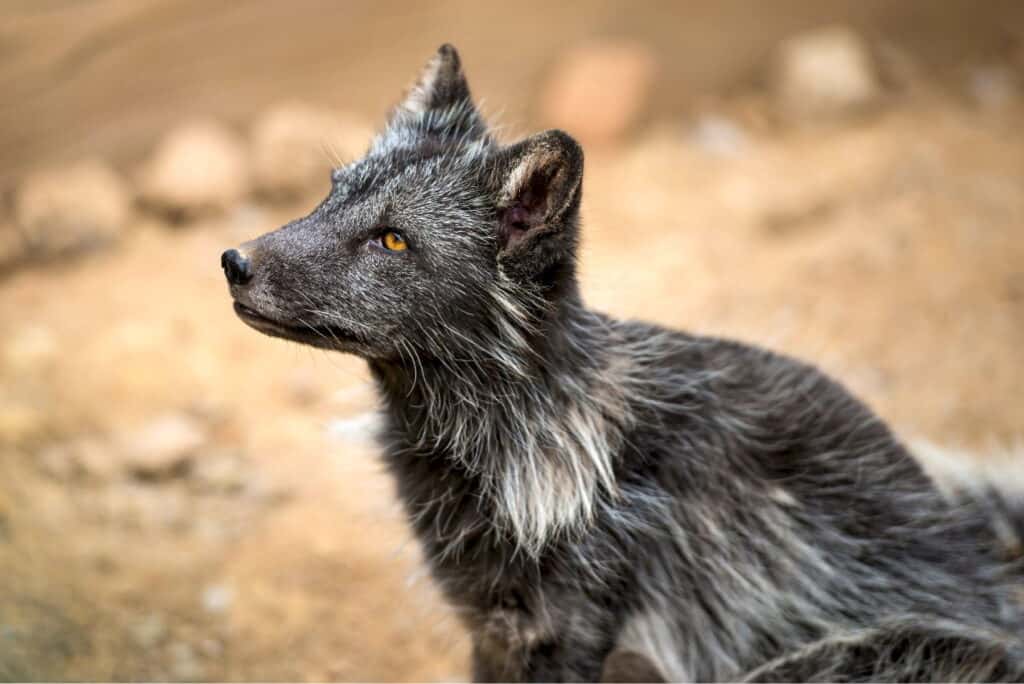
The samples taken (blood, hair, and tissues) were subjected to comparative tests to sequence the animal’s DNA. The initial results highlighted the presence of 76 chromosomes. However, the pampas fox has 74, while the domestic dog has 78. The hypothesis of a hybrid between these two species then became highly probable. More precise analyses confirmed this result: the chromosomal structure of the young female is a “mixture” perfectly consistent with the idea of an unprecedented hybridization.
The case was deemed extraordinary enough to be documented in several scientific reports and, ultimately, published in the journal Animals. The researchers quickly gave a name to this exceptional being: the “dogxim,” derived from the contraction of “dog” and “graxaim-do-campo” (the local name for the pampas fox). In this scientific article, the specialists emphasize the importance of this discovery. Never before had such a crossing been observed or described: other canine hybrids, such as wolf-dog or coyote-dog, were already known, but the combination between Canis lupus familiaris and Lycalopex gymnocercus remained unprecedented.
If the scientific world is excited about this subject, it is also because the implications are vast. Hybridization between so-called “wild” species and their “domestic” counterparts is not a new phenomenon, but it is rarely documented to this extent and rarely viable over the long term. Moreover, the sustainability of this genetic mixing could influence the health of wild fox populations, or even that of domestic dogs in the concerned area.
Comparison: Dog, Pampas Fox, and Dogxim
To better understand the uniqueness of the dogxim, here is a small comparative table highlighting some key characteristics:
| Characteristics | Domestic Dog | Pampas Fox | Dogxim |
|---|---|---|---|
| Number of chromosomes | 78 | 74 | 76 |
| Habitat | Human environment (domestic) | Grassland regions of South America | Mixed (areas close to humans) |
| General behavior | Social, docile | Cautious, sometimes solitary | Ambivalent (can bark but remains wary) |
| Diet | Omnivore, accustomed to industrial food | Mostly carnivorous (rodents, small animals) | Preference for raw meat |
This comparison highlights the hybrid genetic, ecological, and behavioral heritage of the dogxim.
Morphological characteristics: a visible mix
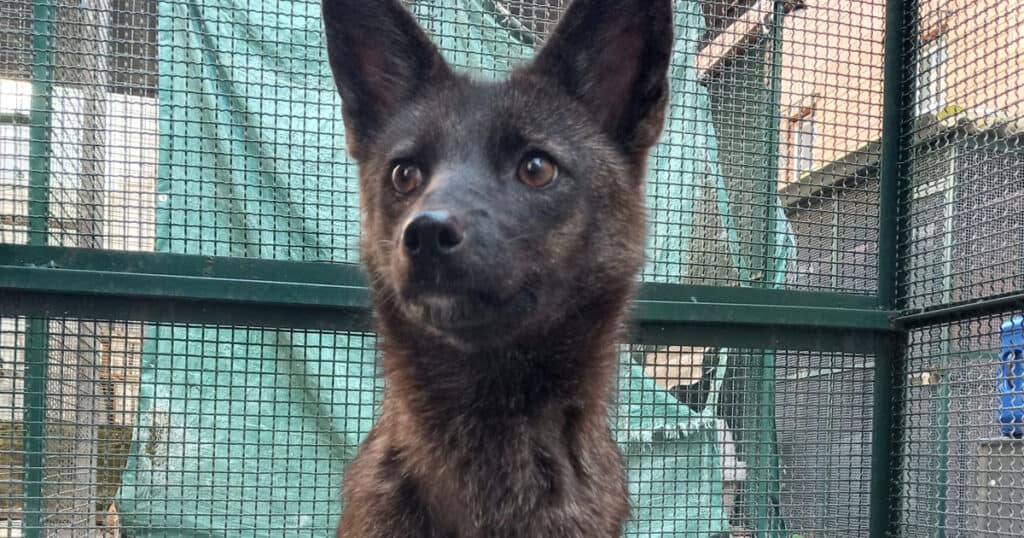
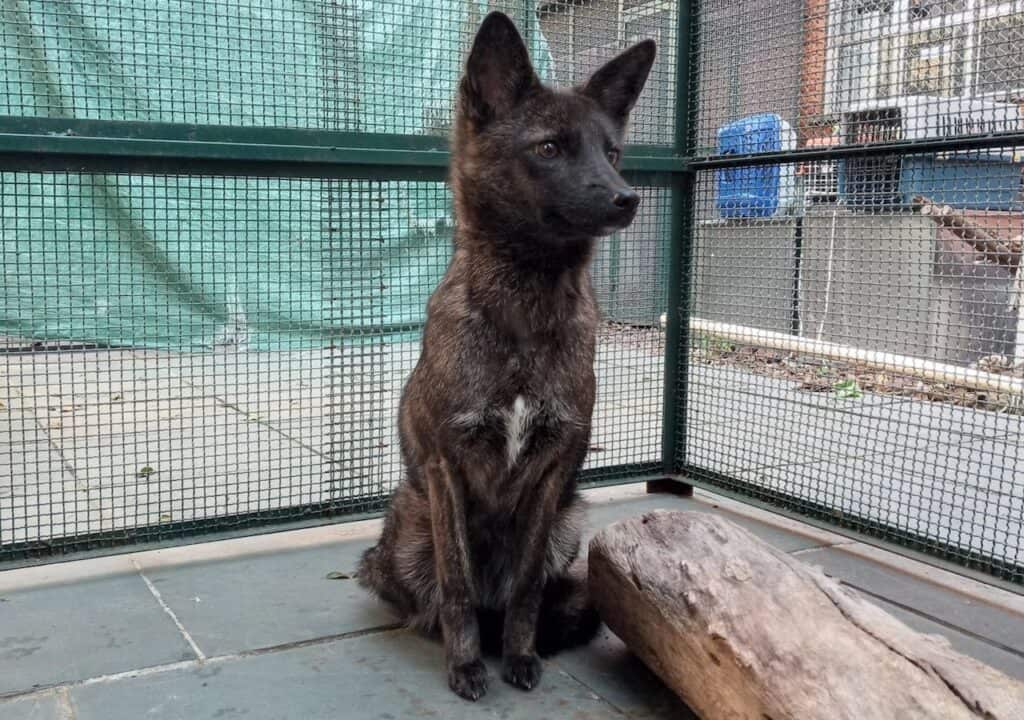
From a strictly morphological standpoint, the dogxim stands out by a few striking points. Like a pampas fox, it features:
- Triangular, long, and upright ears, characteristic of wild canids.
- A relatively long and slender muzzle, particularly adapted to hunting in open environments.
- A dense and coarse coat, composed of shades of brown, gray, and tawny, providing effective camouflage.
Nevertheless, some traits clearly lean towards the domestic dog, notably the general skull structure, sometimes broader, and the shape of the eyes. Likewise, the musculature seems less adapted to long-distance running than that of a pure pampas fox, suggesting a canine genetic influence in the animal’s physical build.
According to the testimonies of the caretakers who took charge of it, the female dogxim displayed a unique appearance, which clearly distinguished her from the pampas foxes usually observed in the region. This morphological particularity, far from being a mere detail, allowed specialists to refine their diagnosis even before genetic analyses.
Behavior oscillating between wariness and sociability
The behavioral aspect of the dogxim quickly captivated scientists and observers, as it reveals a troubling mix of domestic and wild traits. On the one hand, the animal showed a certain familiarity with humans, accepting care without aggression or extreme panic, which is not so common in an adult wild fox. On the other hand, it retained a strong predatory instinct towards small rodents, as well as some reserve when faced with unusual noises or sudden movements.
In a care environment, this ambivalence was expressed through attitudes that might seem contradictory: the dogxim played with objects similar to those intended for puppies, barked in response to certain stimuli, but refused to eat kibble, preferring raw meat or live prey. Veterinarians also noted its extreme caution when a stranger entered the room, indicating a keen sensitivity to danger.
This behavioral mix is not limited to simple adaptation to human contact. It raises questions about how instincts and socialization modes form in canids. A domestic dog indeed inherits a long genetic selection aimed at reducing its fear of humans, while the pampas fox, an animal mainly solitary or sometimes gregarious depending on the season, does not share this heritage. The dogxim, for its part, seems to draw from both “matrices,” thus demonstrating the crucial role genetics plays in shaping animal temperaments.
Conservation challenges: towards new hybridizations?
The discovery of the dogxim has potentially significant implications for Brazil’s wildlife and other regions of the world. First, because its existence highlights a reality often ignored: the increasing contacts between domestic and wild animals in transition zones or urban edges. When forests, grasslands, or savannas are encroached upon by human expansion (roads, cities, industrial zones), habitat fragmentation often pushes wild species to venture closer to human dwellings.
In the case of pampas foxes, which are relatively opportunistic, it is not surprising to see them seeking food or shelter near inhabited areas. For their part, domestic dogs can roam, in packs or alone, increasing the chances of accidental encounters. The dogxim could then represent the first documented case of a trend likely to develop, at least in regions where human pressure is strong.
From a conservation perspective, the major risk is the genetic dilution of wild populations. If other hybrids of this type appear, and if they are fertile, they could pass canine genes into the fox lineage, gradually transforming the species. In the worst-case scenario, the original wild species could dwindle or lose certain crucial adaptations for its survival. It is known, for example, that hybridization between dogs and wolves can lead to mixed populations less fearful of humans, dangerously altering ecological balances and creating additional conflicts (livestock attacks, etc.).
However, the question of the dogxim’s fertility remains unresolved: the animal in question unfortunately died in 2023 before researchers could verify its ability to reproduce. It is possible that the chromosomal configuration (76 chromosomes) makes reproduction viable or not. If it proves viable, the consequences over several generations are unknown, particularly regarding dominant or recessive traits.
Health consequences: experts’ concerns
Beyond conservation issues, the scientific and veterinary community is also concerned about the health risks posed by these hybridizations. Domestic dogs can carry parasites or diseases transmissible to wild species, and vice versa. Rabies, leptospirosis, distemper, and parvovirus are among the canine diseases likely to spread to other canids.
“When such contaminations occur in a small or vulnerable group, the effect can be devastating. Some populations of foxes, or other wild canids, have thus been decimated by the introduction of pathogens of domestic origin.” – Excerpt from a report by the Canine Ecosystems Review
When such contaminations occur in a small or vulnerable group, the effect can be devastating. Local authorities, in collaboration with environmental NGOs, often strive to implement vaccination programs and combat canine roaming to limit the risks.
The role of urbanization and infrastructure
The situation that gave rise to the dogxim is not the result of mere chance. Specialists point to how human expansion causes profound changes to the ecosystem. Roads, for example, increase the mortality of wild animals attempting to cross these traffic routes, while facilitating the access of domestic animals to previously hard-to-reach areas.
At the same time, the installation of industrial or agricultural infrastructures can drastically reduce the natural prey of the fox, such as small rodents, forcing it to venture closer to farms and villages to feed. Under these conditions, the likelihood of encountering domestic dogs (possibly abandoned or simply roaming) grows exponentially. And since the pampas fox is not the only species concerned, it is not excluded that other hybridizations may occur in the future, involving coyotes, jackals, or even wolves in other regions of the globe.
Reception in the scientific community
When the first publication mentioning the existence of the dogxim appeared, it sparked wide interest among researchers in biology, ethology, and zoology. On one hand, many specialists saw it as confirmation of a suspected hybridization phenomenon and praised the rigor with which the genetic analysis had been conducted. On the other hand, some were concerned about the sensationalism surrounding this case, fearing it might fuel enthusiasm for keeping hybrid animals or create a false sense of normality regarding these crossings.
Indeed, in some countries, the phenomenon of “wolfdog” (wolf-dog hybrids) has sometimes attracted owners seeking “exotic” or “wild” animals. The consequences can be dramatic for the animal’s welfare and human safety. A poorly socialized wolfdog can pose a danger in an urban environment, just as a dogxim is not suitable as a pet for a family poorly informed about its specific needs.
The scientific article, for its part, stresses the need to strengthen wildlife protection measures and to more strictly manage dog roaming. The authors also consider it essential to conduct further research on other potentially hybrid individuals to better understand the extent of the phenomenon and anticipate possible ecological impacts.
The dogxim after its rehabilitation: a premature end
Despite the interest generated and the care provided, the story of the dogxim discovered in 2021 ends tragically in 2023, when it dies of causes still poorly understood. Experts were therefore unable to continue their investigations to confirm its fertility or study in detail its behavior in an environment broader than that of a rehabilitation center.
This premature disappearance casts a veil of mystery over the future of the dogxim, while urging the scientific community to remain vigilant. It is indeed possible that other hybrids are already present without having been detected. Especially since the pampas fox does not have the status of a strictly endangered species, and its range increasingly overlaps with urbanized areas of the South American cone. Opportunities for crossbreeding therefore remain very real.
Future Perspectives: Prevention and Coexistence
In light of these facts, several courses of action and research are being considered. First, conservation biologists emphasize the need to protect the remaining natural habitats to reduce fox incursions near urban areas. Next, municipalities and local associations are working to better regulate dog ownership, notably through stray control, sterilization, and systematic vaccination. The goal is twofold: to protect biodiversity and to limit health risks related to transmissible diseases.
Furthermore, more advanced genetic studies could seek to detect possible hybridization markers in other captured, injured, or found-dead fox individuals. If these tests confirm the presence of a genetic mix similar to that of the dogxim, it could then be estimated that the phenomenon is more widespread than believed. In this case, adapted conservation strategies will need to be implemented, especially to avoid a significant alteration of the wild lineage.
Beyond the purely scientific aspect, the discovery of the dogxim also raises ethical reflection. The coexistence between humans and wild animals is a complex subject, questioning the place we leave for wildlife in our living spaces, and how we manage our own domestic animals. In regions where tourism is developing, the temptation can be great to “show” such hybrids, at the risk of sustaining a black market or encouraging the illegal capture of specimens considered rare.
Conclusion: An Exemplary Case for Science and Collective Conscience
With the dogxim, nature reminds us that the boundary between wild and domestic can be more permeable than we think, especially as urbanization expands and ecological balances are severely tested. The young hybrid female, discovered by chance in a ditch in Brazil, lived only a few years, but leaves behind profound scientific, ethological, and environmental questions.
In a world where biodiversity is threatened by the growing human footprint on natural habitats, every case of hybridization must be approached with caution and seriousness. While it demonstrates the extraordinary adaptability of species, it also highlights the risks of genetic confusion, extinction, or behavioral disruptions. The dogxim thus reminds us of the necessity to preserve ecosystems and to implement rigorous management policies, both to protect wild populations and to ensure harmonious coexistence with domestic animals.
Ultimately, the case of the dogxim is a striking example of the interdependence between our human activities and natural evolution: by pushing the limits of urbanization, we promote unexpected encounters between species that sometimes give rise to unprecedented individuals. Between fascination and concern, science now has the mission to better understand the mechanisms at work in these hybridizations, to assess their short- and long-term consequences, and to work toward better coexistence between humans and wildlife.
Bibliographic References and Useful Links
- Silva, P. et al. (2021). “An Unprecedented Hybrid: Pampas Fox (Lycalopex gymnocercus) and Domestic Dog (Canis lupus familiaris)”. Animals.
- Ferrari, F. (2022). “Observations and Behavioral Analysis of a Dogxim in Rehabilitation”. Brazilian Journal of Wildlife Research.
- Boyd, J. (2023). “Hybridization and Its Consequences in Canid Populations”. Review of Canine Ecosystems.
- WWF (World Wide Fund for Nature) – Resources on the protection of endangered species and conservation programs.
- IUCN Red List – Information on the conservation status of species worldwide.