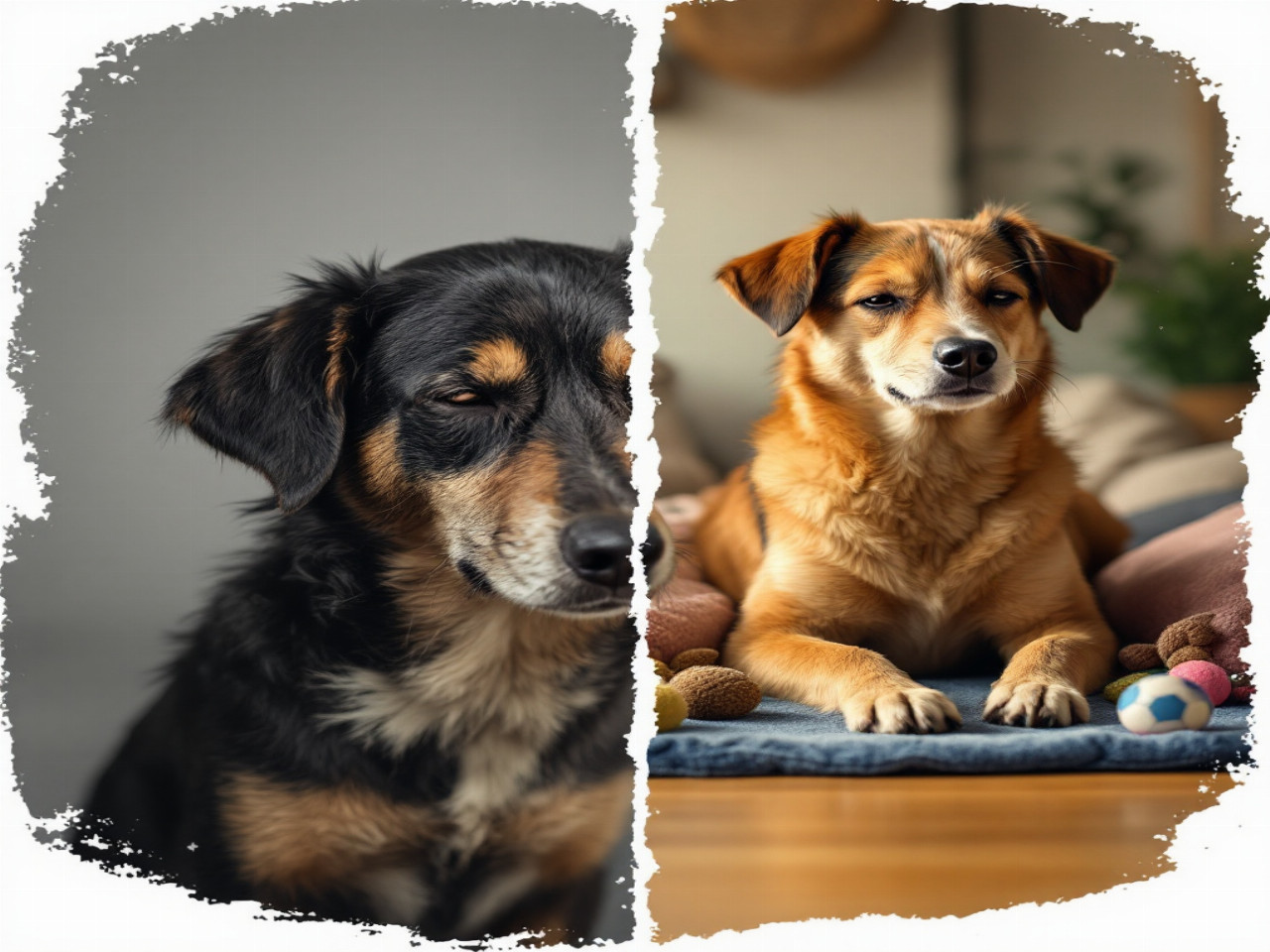

Sometimes, we believe our four-legged companions are carefree, when in reality they may be going through periods of deep stress. Spotting these early signals is giving your dog the chance for a more serene life. In this article, we cover seven warning symptoms of stress in your dog and offer clear solutions to alleviate them. Ready to decode canine language and act before the situation worsens?
1. Excessive barking and yapping
A dog that barks incessantly at the slightest leaf moving is not necessarily unhealthy. They may simply be showing poorly managed anxiety. These repeated vocalizations reflect a need to release energy or a quest for reassurance.
Origin of the behavior
When stressed, your dog may bark to get your attention or to release internal tension. Sometimes, it’s the noisy environment; other times, it’s a change in routine (moving house, arrival of a new family member).
Solutions and calming
- Calm play sessions: favor interactive toys (food puzzles) to channel their need for mental stimulation.
- Positive reinforcement: praise them as soon as they stop vocalizing, even if the silence lasts only a few seconds.
- Relaxing music: background sounds with low frequencies can serve as an anti-stress shield.
2. Rapid panting and wheezy breathing

When we think of panting, we often imagine heat or exercise. However, a resting dog that breathes in a jerky manner and pants abnormally may be expressing psychological discomfort. It is their equivalent of a “stress burst” in humans.
What this hides
The respiratory rate speeds up when the dog’s brain perceives a threat (real or imagined). It prepares the body to flee or fight. If the context does not justify this reaction, it is called chronic stress.
How to intervene
- Progressive relaxation: offer a gentle massage around the shoulders and neck; it is an excellent nervous “reset.”
- Moderate exercise: a calm walk, without performance pressure, will help restore a normal breathing pattern.
- Hydration: a stressed dog may drink less; remember to regularly refill their bowl with fresh water.
3. Compulsive licking or chewing
Watching your dog frantically lick their paws or chew endlessly on a familiar object is often a sign of underlying tension. This displacement behavior, typical in canine psychology, reflects an attempt at relief.
Diagnosis and nuances
Before blaming stress, you must rule out a dermatological cause or a food allergy. Additionally, you can consult the guide on food allergies to eliminate this hypothesis.
Management strategies
- Safe chew toys: solid rubber toys or appropriate dental bones provide an outlet channel.
- Distraction techniques: a short agility session or indoor hide-and-seek refocuses energy.
- Bach flowers: a few drops of Rescue® diluted in their water can calm compulsions.
4. Isolation and Withdrawal
Some dogs hide under the couch or take refuge in an isolated room when they feel uncomfortable. This sudden distancing indicates that they are trying to remove themselves from an anxiety-inducing situation.
Understanding Withdrawal
Withdrawal can occur after a violent event (storm, fireworks) or following confusion from the owner (excessive scolding). Upon investigation, one often discovers a succession of accumulated small stresses.
Welcoming and Reassuring
- Designated refuge area: create a cozy corner with their bed, toys, and a piece of clothing soaked with your scent.
- Gradual paths: gently invite them by placing a treat at the entrance of their refuge, then a little further away each day.
- Soothing voice: speak to them calmly without forcing. The effort to communicate helps reduce their isolation.
5. Unexpected Destruction and Soiling
Whether your dog destroys a cushion or soils inside, these outbursts may seem purely “unclean,” but they often hide a behavioral disorder linked to stress.
Behavioral Origin
A stressed dog does not always control its impulses. Destruction is a physical outlet, while soiling can express deep distress or a call for help.
Remediation Approaches
- Environmental enrichment: install interactive kibble dispensers to increase playtime duration.
- Stable routine: a regular schedule for meals, outings, and naps reassures the dog.
- Behavioral consultation: if episodes repeat, a professional can offer behavioral therapy.
6. Increased Aggressiveness and Nervousness
An unsocialized dog or one experiencing chronic stress can become irritable, growl, or even bite. This aggression is not necessarily directed at you, but at any stimulus perceived as a threat.
Untangling Stress and Dominance
Before labeling the attitude as dominance, check whether it is not rather the result of deep boredom, latent fear, or poorly detected physical pain.
Appropriate Solutions
- Confidence building: obedience exercises based on play (sit, lie down, fetch) create a positive bond.
- Progressive socialization: supervised canine meetings in calm environments reduce nervousness.
- Veterinary analysis: a complete check-up helps rule out any joint or inflammatory pain that could increase irritability.
7. Sudden Variations in Appetite and Weight
Loss of appetite or, conversely, binge eating: a stressed dog can change its eating habits. These fluctuations impact its health in the medium term, so it is important to react quickly.
Underlying Causes
Stress interferes with signals of satiety and hunger. An anxious dog may forget to eat or throw itself on its bowl as if it needed to “fill up” before the next crisis.
Recommended Actions
- Divided meals: split the daily ration into several small meals to avoid the stress of a “big bowl.”
- Appetizing foods: mix kibble with a little vegetable broth (without salt) to stimulate the desire to eat.
- Food diary: note each intake, its composition, and the context to identify warning patterns.
Summary Table of Symptoms and Remedies
| Symptom | Possible Origin | Key Remedy |
|---|---|---|
| Excessive barking | Overstimulation | Interactive play + positive reinforcement |
| Rapid panting | Anxiety | Soothing massage + gentle walk |
| Compulsive chewing | Stress / allergy | Chew toy + distraction |
| Isolation | Fears | Safe corner + gradual exposure |
| Destruction | Unchanneled impulses | Enrichment + routine |
| Aggressiveness | Frustration / pain | Playful obedience + check-up |
| Appetite variations | Physiological stress | Fractioned meals + broth |
General Tips to Strengthen Your Dog’s Resilience
- Maintain a stable routine: temporal landmarks reassure, especially during stressful periods.
- Encourage mental activities: obedience with rhythm, puzzles, or scent tracking are real game-changers.
- Adopt consistent communication: gestures and voice should send the same message to avoid misunderstandings.
- Consider aromatherapy: a few drops of lavender essential oil in a diffuser (out of the dog’s reach) can soothe the atmosphere.
- Do not hesitate to consult a behavioral professional if stress persists despite your efforts.
FAQ
My dog shows several symptoms, where should I start?
Start with the most frequent signals (barking, panting) and observe his environment: remove sources of noise or agitation, then introduce an interactive toy to see if the behavior decreases.
Are Bach flowers really effective?
It all depends on the animal. Many owners report a clear calming effect, especially when combined with other methods (massage, routine). Start with Rescue® and adjust according to progress.
When to consult a veterinarian or a behaviorist?
If stress becomes chronic, your dog refuses to eat, or damages furniture, it’s best to seek professional advice. Experts will be able to determine if an underlying pathology is involved.