
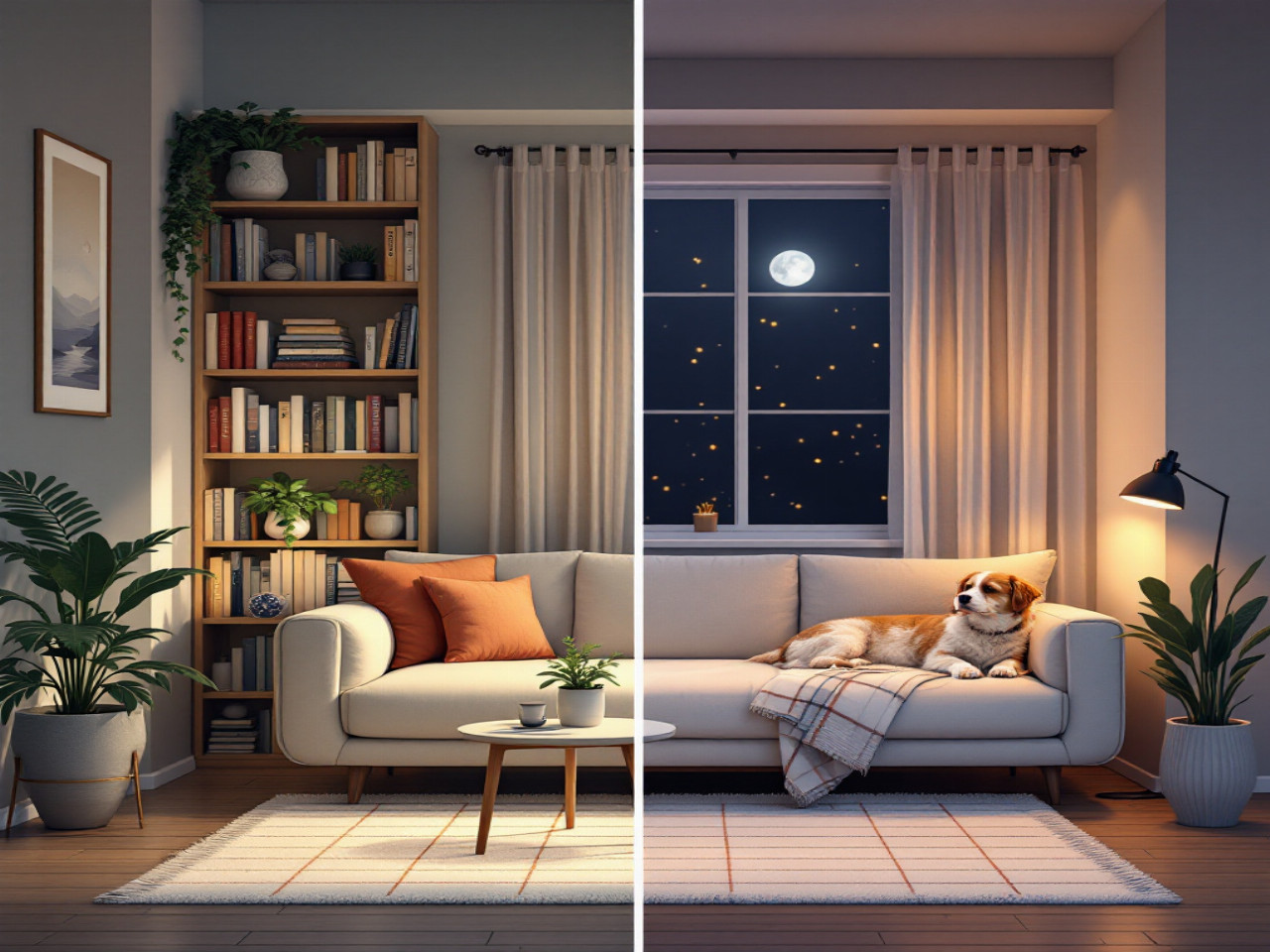

Creating a living environment where your dog truly feels at home starts with understanding their needs and playing with the space. There’s no need to turn your living room into an amusement park, but a few well-thought-out adjustments are enough to boost their well-being. Between secure zones, play areas, sleeping corners, and zen nooks, this article guides you step by step so that every room in the house becomes an asset daily.
1. Securing your interior against canine curiosity
Your companion explores everything, from trash bins to houseplants. Before they turn your living room into a testing ground, some adaptations are necessary. Start by identifying dangerous elements: household products, trailing electrical cables, small pieces they could swallow. The goal is not to turn your space into a fortress, but to install visual and physical barriers where it really counts.
Protecting risk areas
In the kitchen and bathroom, place latches on cabinets containing detergents, oils, or medicines. A protective net for your trash bin or an airtight lid is often enough to discourage rummaging attempts. For stairs, a removable gate reduces risk without hindering human traffic.
Choosing resistant and easy-to-clean materials
Wet or muddy paws leave marks. Favor flooring in tile, polished concrete, or waterproof vinyl. For furniture, microfiber or synthetic leather covers can be wiped clean with a sponge. You can even opt for machine-washable removable covers: a real game-changer when you know dogs sometimes have a knack for dirtying exactly the spot you love.
2. Creating dedicated spaces for rest and relaxation

A well-rested dog is a balanced dog. No need for a canine palace, but a corner reserved for them helps them feel secure. Whether it’s a soft basket, an orthopedic cushion, or a simple blanket placed in a quiet corner, the idea is to define a cozy and consistent space. You’ll see, they will naturally return there.
Positioning the bed in the right place
Place the bed near a cold wall in winter or under a sunbeam in the afternoon, depending on the season. Avoid drafts and high-traffic areas, for example, in front of the front door. You can also slip a water bowl nearby so they can hydrate without having to cross the whole room.
Varying bed types according to age
Puppies like cozy nests that reassure them, while seniors will benefit from a mattress specially designed to relieve joints. A memory foam cushion, sometimes equipped with a small orthopedic cover, can make all the difference for an old dog with fragile hips.
3. Mentally stimulating your dog day after day
Boredom often leads to mischief. To prevent your dog from attacking your shoes, offer them smart toys or food puzzles. A busy brain means a calm dog, easier to manage during walks and less prone to destructive behaviors.
- Snuffle mat: hide kibble in soft fibers for an indoor hunting mode.
- Feeder puzzle: adjustable modules to assemble yourself to complicate the game.
- Treat hideout: plastic boxes with a few holes pierced, to move around the house.
Installing a suitable climbing wall
For the more athletic, a small climbing wall or some inclined boards in the garden (or the hallway for the more prepared) stimulate body and mind. The idea is not to reproduce a military course, but to offer an easy-to-install motor skills challenge with boards and small non-slip supports.
4. Encouraging exercise and play indoors
Rain, heatwave, or snow: sometimes we get stuck inside. But no question of letting your dog get bored! A clear hallway, some bouncy balls, and a canine treadmill (if your budget allows) help release energy without damaging your walls.
Create a Homemade Agility Course
“A few obstacles, a fabric tunnel, and some cones gathered: and here is an agility course coming to life in your living room!”
To build your mini-course, use chairs as supports for poles, an old sheet for the tunnel, and DIY cones. Not only do you strengthen your bond, but you also work on obedience and balance.
5. Managing Periods of Separation and Absence
If every departure triggers separation anxiety in your dog, you can prepare for the absence at home as you would organize a stay away from home. Soft music, pheromone diffusers, and objects with your scent (t-shirt, blanket) will create a reassuring environment. Don’t forget to leave a treat-dispensing toy to keep them occupied during your absences.
6. Adapting According to Age, Size, and Temperament
A French bulldog will not experience its interior the same way as a border collie. Each size and breed has its own requirements. Without falling into clichés, the essential thing is to understand the energy to channel and the areas to secure.
Curious and Energetic Puppies
Puppies explore everything with their teeth: invest in sturdy chew toys and repellent sprays for certain furniture. Offer them gentle motor skills modules so they learn limits and respect for objects.
Senior and Convalescent Dogs
Slowly but surely, mobility decreases. Install small ramps in front of the sofa and the car, raise the bowls to relieve the neck, and facilitate garden access by keeping a sloped plane rather than a harsh step.
7. Creating Harmonious Cohabitation with Other Animals
If a cat or another dog already shares your home, anticipate meeting areas. Provide independent retreat places, separate access to food, and shelves or scratching posts up high if your house is small. The sense of smell plays a major role in calming: rub a cloth on each animal and leave it in the other’s area so they get used to the scent.
8. Thinking About Decoration and Aesthetics
Your dog doesn’t necessarily need a flashy interior, but it is possible to combine design and utility. Opt for soft shades that promote calm, and mixed anti-hair textiles. Wicker or thick canvas baskets bring a natural touch while being sturdy.
Choosing Soothing Shades
Pastel blue or sage green invigorate the space without agitating. These colors, combined with natural materials (linen, raw cotton), create a visual cocoon where both the human eye and your dog’s feel comfortable.
9. Table: Arrangements According to Your Dog’s Size
| Size | Type of Bed | Secured Area | Recommended Indoor Playtime |
|---|---|---|---|
| Small (up to 10 kg) | Padded fabric basket | Kitchen & toy cupboard | 15–20 minutes several times a day |
| Medium (10–25 kg) | Orthopedic cushion | Clear hallway & secured furniture | 20–30 minutes, including puzzles |
| Large (25 kg and up) | Memory foam mattress | Protected living room & stair barrier | 30–45 minutes, agility course |
10. Preparing Your Dog Before Traveling
A well-thought-out interior is often complemented by preparation before departure. To travel calmly by car, without stress or nausea, we have condensed 10 tips detailed in our article 10 Tips for Traveling Calmly with Your Dog by Car. You will find advice on car safety, adaptation phases, and essential accessories to make the journey as comfortable as your dog’s sleeping spot at home.
FAQ
How can I tell if my house is secure enough for my dog?
Observe them during exploration: if they try to chew a cable or jump into the trash, that’s a sign. Get down on all fours to spot access points and install barriers or cable covers as needed.
What type of bedding should I choose for an older dog?
An orthopedic memory foam mattress, preferably with a removable washable cover. Raise it slightly and add a soft blanket to protect against drafts.
How to keep my dog occupied when I am at work?
Give him a treat-dispensing toy filled with snacks, a pheromone diffuser, and a soft playlist to mask your comings and goings. A friend dropping by for a little play session during the day can also be a great help.
Is it useful to set up a home agility course?
Yes, especially if your dog needs to move a lot. With little equipment—you can recycle everyday objects—you also create a moment of bonding and positive reinforcement.