
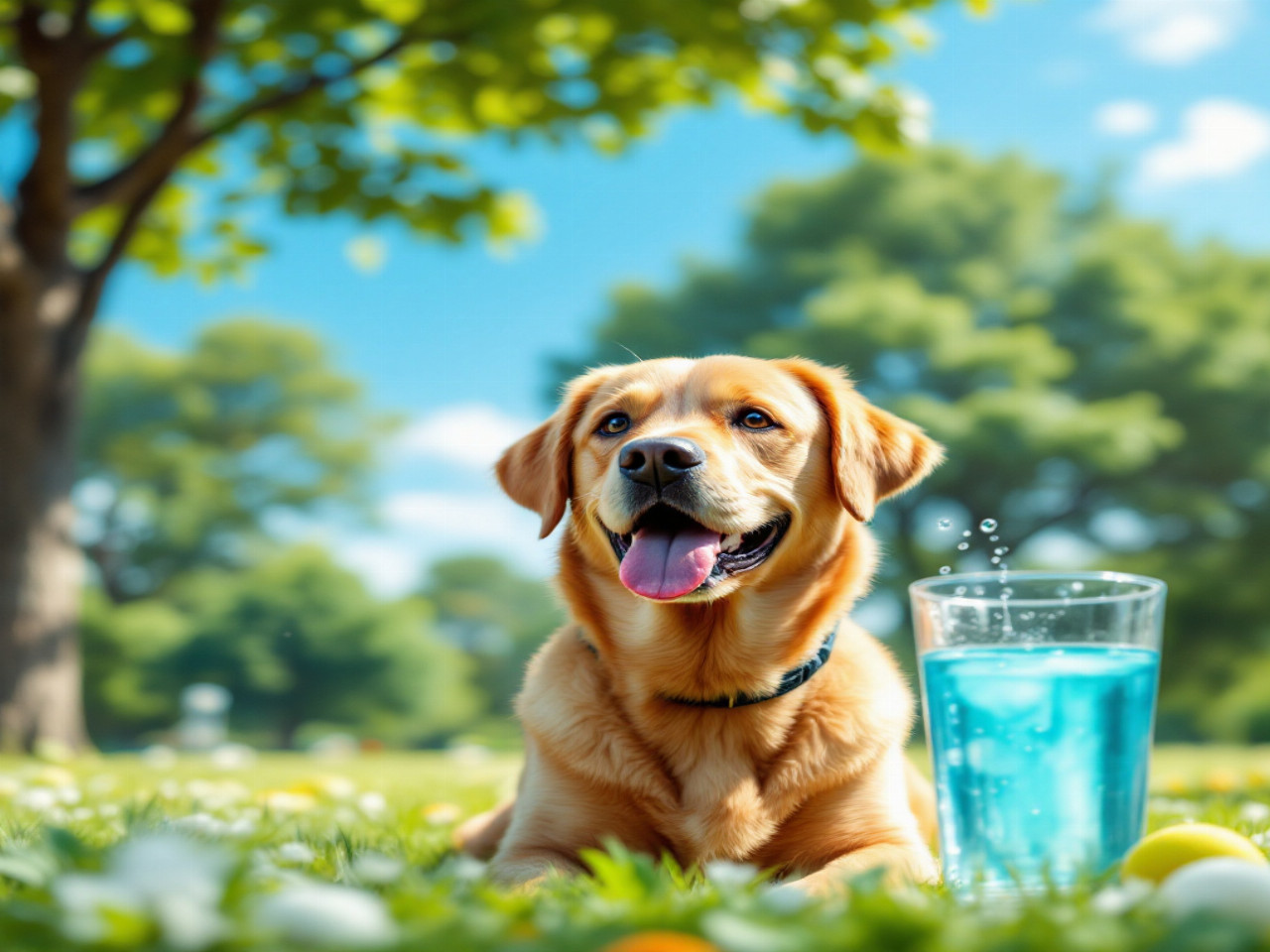

When the thermometer rises, we instinctively think of sipping a glass of cold water or dipping our feet in a pool. But what about our four-legged friends, who can’t tell us “I’m thirsty”? Canine hydration in summer is not just a detail; it’s a major health issue. Between heat strokes, increased fatigue, and the risk of dehydration, every drop counts. In this article, we focus on your dog’s water needs, decode warning signs, and share practical tips to keep them lively and sprightly even under the blazing sun.
Why water is vital for dogs in summer
The essential functions of water in canine metabolism
One might think water only quenches thirst, but it is involved in almost every physiological process. From transporting nutrients to the muscles to eliminating toxins through the kidneys, and regulating body temperature, water is a cornerstone. In dogs, who have limited means to dissipate heat (mainly panting and a bit of sweating through the paw pads), sufficient hydration prevents exhaustion and protects vital organs.
Impact of high temperatures on physiology
When it’s 30 °C in the shade, a dog’s internal temperature can exceed 39 °C within a few minutes of activity. This rise accelerates water loss and heavily strains the heart and lungs. Without regular intake, the risk of heat stroke – which can lead to coma – becomes real. In short, the slightest puddle of water available can make the difference between a pleasant walk and a veterinary emergency.
Signs of dehydration in your companion
Visible symptoms
A dehydrated dog doesn’t necessarily run after a puddle or purr with pleasure. Here are the warning signs:
- Dry or sticky gums: the pink mucous membrane becomes pale and sticky under the finger.
- Sunken eyes: the gaze loses its brightness, and the skin around the eyes hollows.
- Unusual fatigue: even the most energetic seem slowed down, hard to motivate for a walk.
- Excessive panting: a dog panting without apparent reason is actually asking for water and rest.
Simple tests at home
No high-tech equipment needed: a small skin fold test is enough. Gently pinch the skin between two fingers, release it, and observe:
- If the skin returns immediately to place, all is well.
- If it takes several seconds to regain its shape, it’s a sign of dehydration.
Warning: this method may be less reliable in very old or obese dogs, where the skin has already lost elasticity.
Practical tips to ensure optimal hydration
Choice of bowls and placement
An appropriate bowl is a first step. Favor:
- A heavy or non-slip bowl to avoid spills.
- A shaded and cool location, away from heaters or dusty areas.
- Multiple water points if you have a large garden or several floors, to simplify access.
The idea is that the dog never hesitates to hydrate, even if sleeping at the other end of the house.
Alternatives and hydrating supplements
In addition to water, you can play the “hydrating snack” card:
- Cucumber sticks or watermelon slices (without seeds or rind).
- Homemade ice treats: blend chicken or vegetable broth with water and freeze in an ice cube tray.
- A portion of wet food (pâté or canned) to complement dry rations.
These little extras don’t replace pure water but encourage the dog to ingest more liquid.
Adaptation according to breed and age
Puppies and seniors: more fragile, they require close monitoring. Puppies can go from play to lethargy in the blink of an eye, while older dogs have a less effective thirst perception. Adjust water portion sizes and include regular breaks during walks.
Brachycephalic breeds (bulldog, pug…) suffer more from breathing difficulties and need additional water points.
Suitable Drinks and Precautions
Tap Water vs Filtered Water
Depending on your region, the content of chlorine, calcium, or heavy metals varies. Slightly mineralized water can be beneficial, but avoid excess (risk of kidney stones). A simple charcoal filter or a domestic water softener is usually enough to provide purer and softer water for your dog.
Enriched Drinks and Electrolytes
On the market, there are isotonic solutions for dogs, based on salt, potassium, and magnesium. They are useful after intense exercise or an episode of diarrhea. Be careful not to overdose: strictly follow the dosage and consult your veterinarian before each use.
Water-Rich Foods
Some ideas to boost water intake:
- Quality commercial wet food, containing 70% water or more.
- Fresh herbs (parsley, mint) mixed with kibble to encourage moisture intake.
- Plain yogurt (without added sugar or lactose) mixed with a little water for a refreshing effect.
Summer Activities and Hydration
Walks, Beaches, and Canicross Hikes
It’s tempting to introduce your dog to the beach, but long swimming sessions and the ambient heat increase water loss. Always plan for:
- A special dog water bottle or a collapsible bowl.
- An insulated bag to keep the water cool.
- Regular breaks in the shade to let him recover.
One tip: watch his stride; if it becomes slower or uneven, it’s time to take a break.
Refreshing Games
Instead of the classic fetch, try:
- The cooling mat (non-toxic gel included).
- The water bubble game (homemade with gentle pet-safe soap).
- The inflatable paddling pool, easy to set up in the garden.
These alternatives stimulate the dog while keeping him cool and hydrated.
FAQ
- My dog refuses to drink, what should I do?
Vary the containers, change the location of the bowl, offer fresh water at regular intervals, and add a hint of natural broth to spark curiosity. - How much water should a dog consume daily?
As a general rule, count 50 ml per kg of body weight. A 20 kg dog will need about 1 liter of water, more in case of high heat or exercise. - Is it dangerous to leave stagnant water outside?
Stagnant water can become a breeding ground for mosquitoes and bacteria. Renew it at least twice a day or invest in a continuously filtered dog fountain. - Can I give my dog seawater?
No, seawater contains too much salt and can cause vomiting, diarrhea, and severe dehydration. Always prefer fresh and filtered water. - How to react to heatstroke?
Place your dog in the shade, apply damp towels on the belly and paws, offer fresh water slowly, and consult a veterinarian without delay.