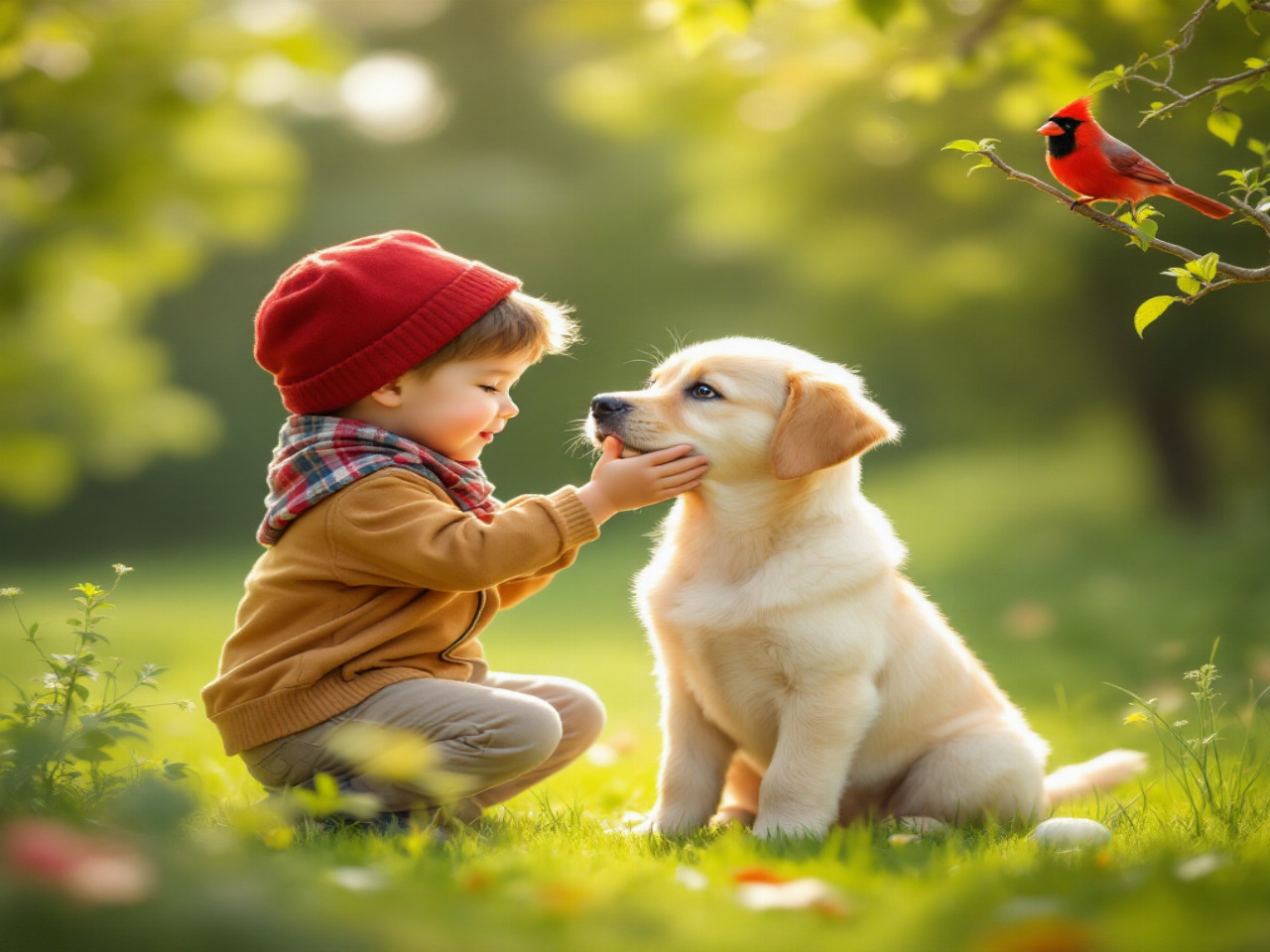

You have just welcomed this little bundle of energy and are already dreaming of walks without surprise packages at home? 🐶 Don’t panic, training your puppy to be clean in three weeks is doable. With precise organization, positive reinforcement, and a few compromises, you’ll see that living together can quickly become a real pleasure. Ready to take on the challenge?
Why aim for cleanliness in 3 weeks?
You might think that teaching a puppy to do its business outside takes months of patience. In reality, three weeks is enough if you implement a structured method. The secret? A solid routine and carefully chosen rewards. The result: less stress for the owner, a dog that quickly understands the rules, and relationships strengthened by shared success. 🎉
Setting up the routine
1. Prepare the environment
First of all, designate a “safe” space for your puppy. A playpen or a room with an easy-to-clean floor prevents it from wandering everywhere. Provide a basket, some toys, and especially a temporary elimination area (absorbent mat or puppy litter) to the right of the exit. The idea is not to get it used to going indoors but to have a plan B in case of emergency.
2. Establish a regular schedule
To help it quickly grasp the right moment, you must anticipate every need. The puppy usually wants to go:
- Upon waking up
- 5 to 15 minutes after each meal
- After intense play sessions
- Before naps and before bedtime
This rhythm may seem strict, but it prevents many accidents. Over the days, you will adjust the frequency according to its age and breed.
| Time | Action | Observation duration |
|---|---|---|
| 7:00 AM (wake up) | Quick outing + praise | 10 minutes |
| 7:30 AM (meal) | Bathroom break / calm toy time | 15 minutes |
| 10:00 AM | Relaxation break + outing | 10–15 minutes |
| 1:00 PM (meal) | Outing + reward | 15 minutes |
| 5:00 PM | Playtime + outing | 10 minutes |
| 8:00 PM (before night) | Final outing | 15–20 minutes |
Week by week: the action plan
Week 1: Observation and adjustment
You proceed a bit like a detective. Note when your puppy circles around, sniffs the floor, or isolates itself. These are warning signs. After each successful outing, slip it a very tasty treat or a warm “Good job!” The goal of this phase is to establish a communication link without excessive pressure.
- Favor soft treats cut into small pieces.
- Wait 5 seconds after the need before rewarding, so the association is clear.
- If an accident occurs, clean up without punishment or stern looks.
Week 2: Positive reinforcement & consolidation
Now that your puppy has understood the process, you need to make the action automatic. Vary the contexts (different garden spots, leash walks) and keep the rewards. You can introduce a keyword — for example “Go pee” — immediately after elimination. Over time, this keyword will be enough to trigger the reflex outside.
- Try the clicker if you’re a training geek — a game-changer effect for some dogs — but it’s unnecessary if “Good boy” does the job.
- Gradually introduce a lower-calorie treat to avoid weight gain.
- Watch for consistency: no treats when in a hurry or in public, to avoid sending a mixed message.
Week 3: Autonomy & handling the unexpected
Your puppy is now trained, but real life holds surprises: urgent phone call, sick child… The idea is to maintain learning even when your schedule overflows. If you can’t go out on time, set up an outdoor “emergency” spot (small patch of grass) and remove it as soon as possible. The goal is to teach flexibility without ruining progress.
- Build its confidence by gradually lengthening the interval between outing and reward.
- Use a slight delay to test its self-control and signaling.
- Keep noting successes to stay motivated: a small logbook quickly turns into shared pride.
Tips for common difficulties
- Nocturnal accidents: place the crate or basket near your bedroom. The puppy’s urinary flow does not yet manage the night.
- Refusal of the garden: maybe it’s afraid of noise or neighbors. Practice in a very quiet place, then you will expand the perimeter.
- Travel stress: if you are traveling by car, stop every hour for a mini break, so that he associates the trip with a pee break.
“My young Labrador took only three days to understand that he had to scratch the door to ask to go out. An additional sign that can save many rugs!”
Frequently Asked Questions (FAQ)
- At what age should you start potty training?
- You can start as soon as he arrives home (8–10 weeks). The puppy already has a natural reflex, you just need to channel it.
- What to do in case of constant accidents?
- Check that there is no health problem (incontinence, urinary infection). If everything is fine, increase the frequency of outings and the observation time.
- Can you do without rewards?
- Some puppies are very motivated by their owner’s touch or voice. It’s up to you to test and adapt according to his personality.
- How to handle heavy rain?
- Provide a makeshift shelter (folding tent, parasol). The weather should not hinder training!