

The reputation of the Altdeutscher Schäferhund, often seen as a model of versatility and canine elegance, sparks a passionate debate among dog lovers: is it suitable for a beginner? Between its historical heritage, liveliness, and need for guidance, does this “old-fashioned” German shepherd demand too much investment from a novice owner? Let’s dive into this controversy to gain clarity.
😊 Solid origins: stemming from pre-1930 lineages, this German shepherd stands out for quick comprehension and a strong protective instinct.
🔑 High energy level: expect 1h30 to 2h of daily stimulation (games, walks, training) to avoid boredom and destructiveness.
⚠️ Crucial socialization: without establishing firm rules from 2 months old, guarding tendencies can become intrusive.
🚀 Recommended support: a dog trainer, group classes, or a dog club are almost essential for a beginner.
Origins and particularities of the “Old-time Schäferhund”
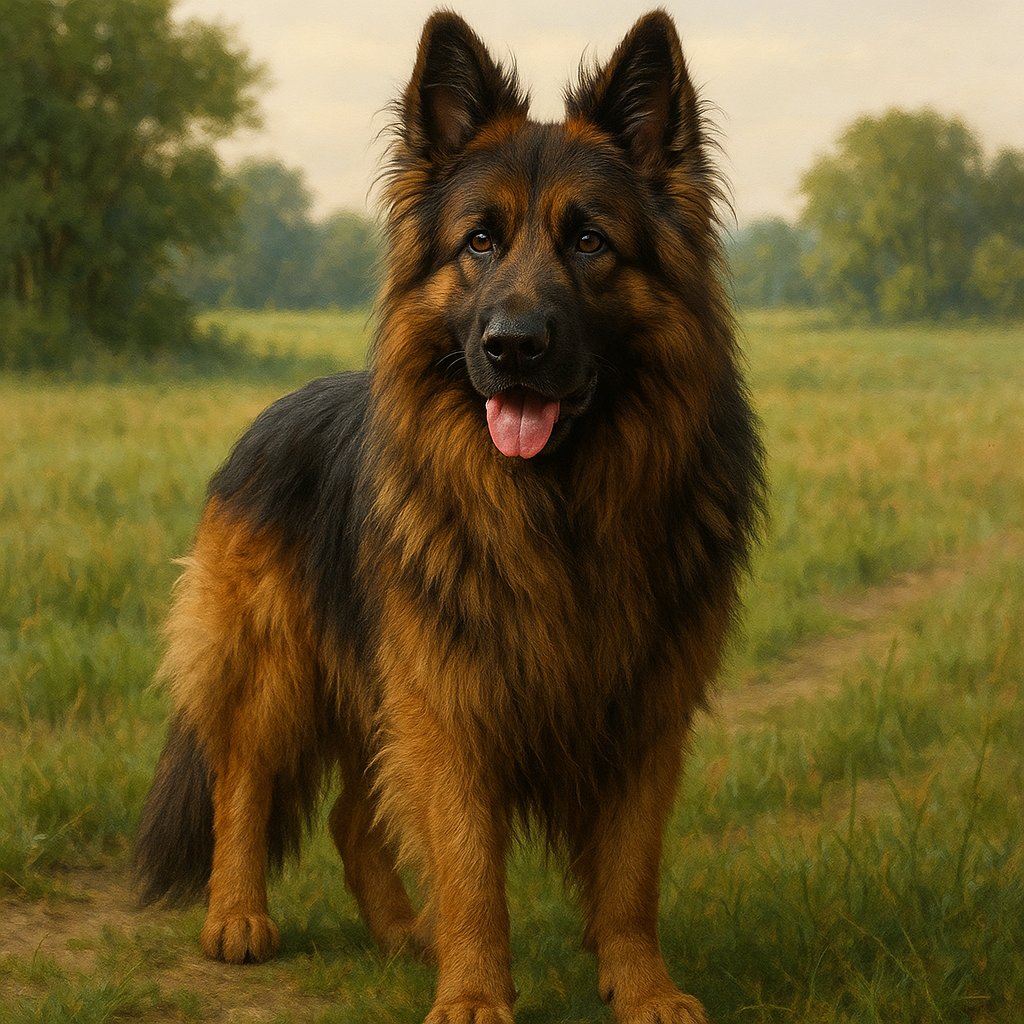
The Altdeutscher Schäferhund traces its roots to the German shepherds of the late 19th century. Unlike sport lines, selected for rings and competition, it retains a stockier physique and often a more balanced character in terms of herding and guarding work. Its morphology reflects a robust structure and a less sloped back, a sign of joint stability for active and varied lives.
Many traditional breeders emphasize the preservation of good nervous balance, far from the nervousness excesses sometimes seen in some “modern” shepherds. This focus on mental as well as physical health is one of its strengths, but also one of the reasons it requires an owner attentive to signs of psychological fatigue or frustration.

Behavior and fundamental needs
Energy and mental stimulation
The Altdeutscher Schäferhund is not a couch companion. Its ability to chain exercises morning and evening, whether tracking, obedience, or cognitive games, demands a sustained pace. Without appropriate activities, it can develop undesirable behaviors: nibbling, excessive barking, or even escapes to “go work” elsewhere.
Protective instinct and socialization
Endowed with a real sense of territory, this dog can be wary of strangers. Early socialization, ideally started between 8 and 12 weeks, helps channel this instinct. Gradually exposing the puppy to varied environments, while maintaining a calm and confident posture, will prevent it from playing “gatekeeper” at every street crossing.
Quick comparison of needs
| Aspect | Altdeutscher Schäferhund | Other modern German shepherd |
|---|---|---|
| Daily outings | 1h30 – 2h | 1h |
| Mental training | Varied (training, tracking) | Obedience, agility |
| Socialization | Guided work from a young age | Rather adaptable |
| Physical maintenance | Joint consolidation | Risk of malformations |
Challenges for a Novice Owner
- Strict organization: separate playtime, exercise, and rest to avoid nervous overload.
- Mastering canine signals: understand your dog’s attitude to intervene before escalation (body language, panting, posture).
- Self-confidence: establish your authority without harshness, relying on consistent commands and rewards.
- Time and budget: invest in classes, specialized equipment, and stimulating activities (tracking club, canine sports).
Strategies for Successful Management
A beginner owner can not only “survive” with an Altdeutscher Schäferhund but also derive immense pleasure from this exchange, provided they adopt some good practices:
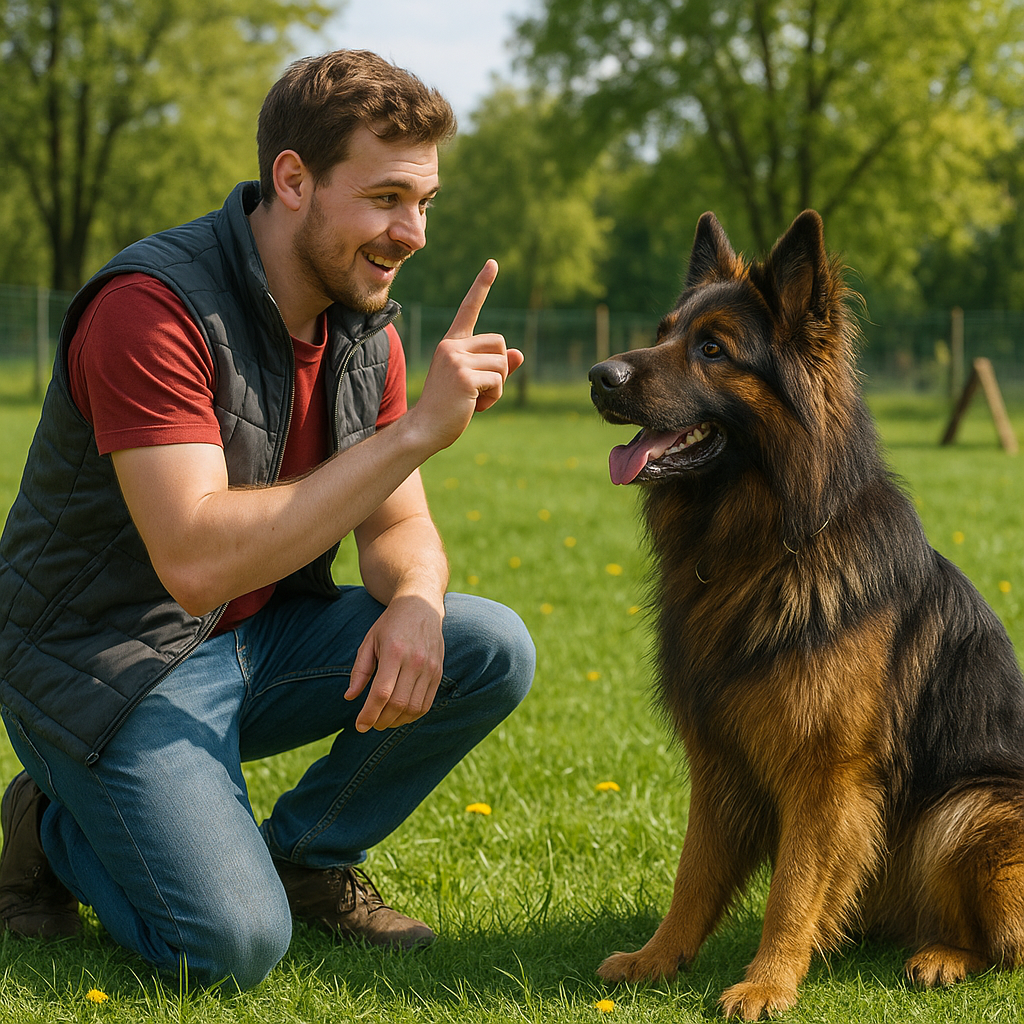
- Train from the start: read specialized books and attend at least 5 to 10 sessions with a certified dog trainer.
- Establish a routine: schedule stimulation moments (learning tricks, puzzle games) and relaxation (massage, calm areas).
- Use the positive method: favor appropriate treats, verbal praise, and double-reward toys.
- Plan regular assessments: observe behavioral evolution and adjust exercise intensity according to age and physical condition.
Nuanced Assessment: Between Passion and Demand
Ultimately, the Altdeutscher Schäferhund is neither an easy companion nor an unmanageable adversary. It requires active presence, a spirit of inquiry, and real personal investment. For a beginner ready to educate themselves, surround themselves with professionals, and dedicate time to their dog’s development, this breed offers an incredibly rich and rewarding relationship.
FAQ
What is the ideal age to start socialization?
Exposure to noises, people, and other animals should begin between 8 and 12 weeks, while maintaining a gentle and gradual approach.
How many training sessions are recommended?
For a novice owner, 8 to 12 sessions with a dog trainer are advised to master the basics and adapt exercises to the dog’s needs.
What is the difference with the modern German Shepherd?
The Altdeutscher Schäferhund maintains a more balanced standard in health and nervousness, whereas the modern shepherd is often oriented towards performance in ring and canine sports.