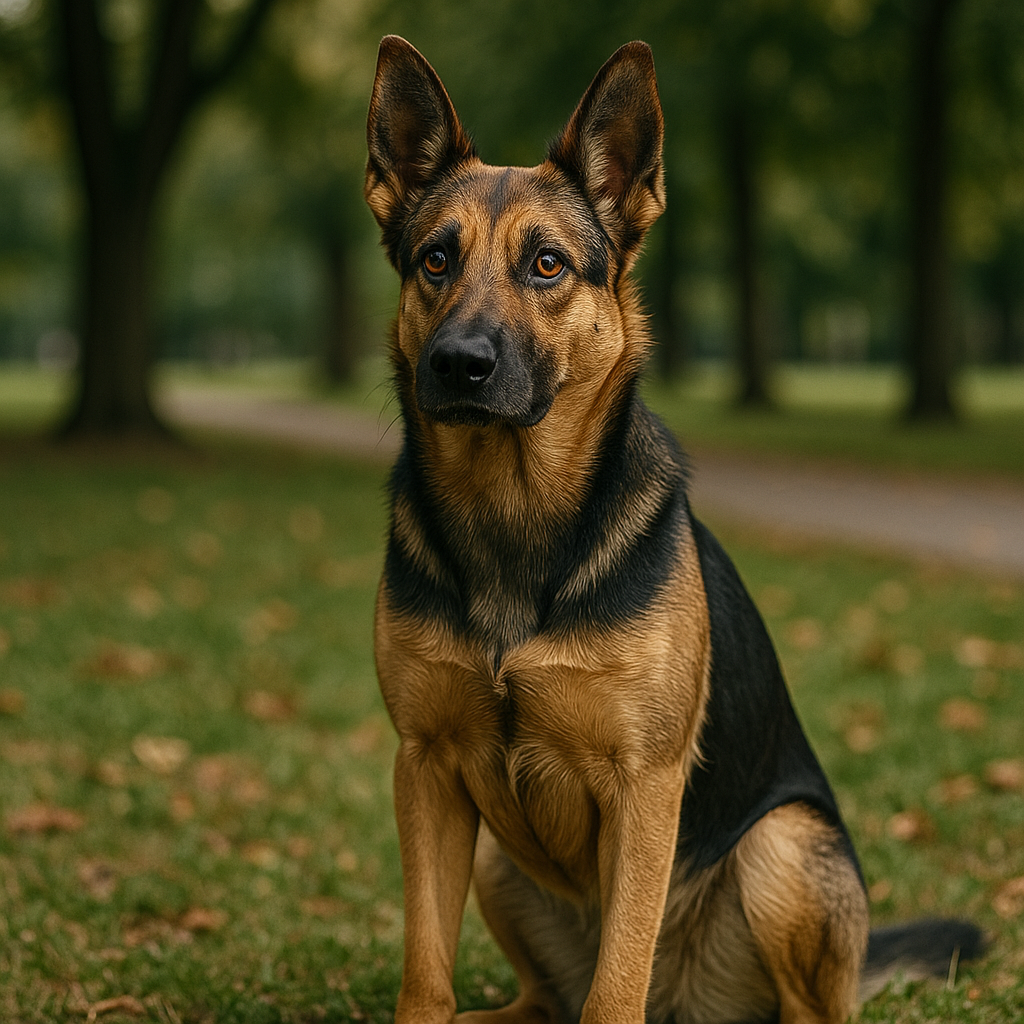

So-called “aggressive” dog breeds often provoke fear and questions. In reality, aggressiveness results less from pure genetics than from factors of education, socialization, and context. This article details the specificities of certain breeds and offers concrete strategies to avoid risky situations.
🐕 So-called “at-risk” dogs often include Rottweilers, pit bulls, and Great Danes. Their musculature and breeding history reinforce this reputation.
📊 Aggressiveness is measured through behavioral tests (ATTS). Scores never represent a fatality: good training and early socialization profoundly change character.
🎓 Key factors: lack of landmarks, stress, pain, or discomfort lead a dog to bite. Understanding these triggers allows reacting before tension escalates.
🛡️ Prevention: learning trust, managing encounters (allow sniffing, avoid direct face-to-face) and adult supervision in child-dog interactions.
Understanding canine aggressiveness
Aggressiveness in dogs manifests in several forms: territorial, fear-based, protective, or frustration-driven. Each type responds to a need: preserving space, feeling secure, defending its human pack, or expressing unmanaged frustration.
The main categories of aggressiveness
- Territorial aggressiveness: defense of home or a spot (garden, kennel).
- Fear aggressiveness: reaction to a situation perceived as threatening.
- Protective aggressiveness: defense of a family member.
- Frustration aggressiveness: response to an unsatisfied desire (toy taken away, lack of freedom).
Measuring rather than stigmatizing
The American Temperament Test Society (ATTS) records success rates for temperament tests for over 180 breeds. A Rottweiler can achieve a result equivalent to that of an Australian Shepherd. This highlights that education and environment often weigh more than breed.
Breeds often considered more aggressive

Preconceptions classify certain dogs among the most dangerous: pit bull, Rottweiler, Doberman, Argentine Dogo, and Malinois Shepherd. Here is an overview of their characteristics and nuances to know.
| Breed | Origin | ATTS Index (%) | Strengths |
|---|---|---|---|
| Pit bull | United States | 88 | Endurance, strong attachment |
| Rottweiler | Germany | 82 | Protection, loyalty |
| Doberman | Germany | 90 | Vigilance, speed |
| Malinois | Belgium | 95 | Intelligence, energy |
| Argentine Dogo | Argentina | 80 | Strength, courage |
Factors influencing aggressiveness
Heredity does not explain everything. Temperament is born from the interaction between genes and environment. To limit aggressive behaviors, one must act on the following levers.
Early Socialization
Between 3 and 14 weeks, a puppy is in a discovery phase. Repeated encounters with humans, children, other animals, and varied environments create a secure foundation, reducing stress in adulthood.
Training and Positive Reinforcement
Methods based on rewards (treats, praise) encourage the dog to adopt calm behaviors. Avoid physical punishments: they increase fear and resentment.
Physical and Mental Well-being
- Daily exercise: walks, fetch games, agility courses.
- Mental stimulation: treat-dispensing toys, obedience sessions.
- Veterinary monitoring: joint or dental pain can trigger aggression.
How to Prevent Incidents
Anticipating and spotting warning signs is essential to defuse a situation before it escalates.
Calming and Stress Signals
- The dog looks away or yawns.
- It licks its lips or freezes.
- It growls softly before attacking.
Good Practices During Encounters
- Never force a handshake between dogs.
- Allow sniffing of an object belonging to the other dog.
- Favor parallel walks before any direct contact.
FAQ
1. What makes a breed more “aggressive”?
It is mainly the selection history (protection or fighting breeding) and physical characteristics that give this image, but education remains decisive.
2. Are small dogs less dangerous?
Not necessarily: a poorly socialized small dog often bites out of fear or to compensate for its feeling of insecurity.
3. Can an aggressive dog change?
With professional support, patience, and positive reinforcement, aggressive behavior can be greatly reduced.
4. How to react to an aggressive dog?
Remain still, avoid direct eye contact, speak in a calm voice, and slowly back away. Do not run or turn abruptly.
5. Should certain breeds be banned?
Legal bans aim at public safety, but education and owner responsibility remain the best safeguards.