

| Key Points | Details to Remember |
|---|---|
| 📈 Definition | Excess of veterinary treatments and consultations |
| ⚠️ Causes | Owner anxiety, media influence |
| ⚕️ Risks | Drug interactions and side effects |
| 🏥 Signs | Fatigue, pain, behavioral changes |
| 🤔 Prevention | Open dialogue with the veterinarian, second opinion |
| 🐾 Alternatives | Natural care and adapted lifestyle hygiene |
| 💡 Impact | Increasing budget and potentially compromised well-being |

When you deeply love your dog, you naturally want to provide the best for them. However, multiplying exams, blood tests, and treatments can prove more harmful than helpful. By exploring the mechanisms of canine overmedicalization, we will see why excessive precautions are as worrying as their absence and how to find the right balance for your companion’s well-being.
Understanding Canine Overmedicalization
Overmedicalization is characterized by an accumulation of consultations, exams, and prescriptions without real urgency or demonstrated benefit. Often, it arises from a sincere desire to prevent any complication, but this attitude ends up exposing the animal to potentially unnecessary or even toxic medications. The phenomenon is not new in the human field and is increasingly transferring to the veterinary world, driven by technological advances and easy access to information.
Factors Favoring Excessive Care

Owner Stress and Anxiety
When a dog shows an unusual symptom – limping, loss of appetite, lethargy – worry can lead to urgent consultations for every small sign. However, not every health deviation immediately requires a battery of tests. One might think that multiplying tests minimizes risks, but in reality, the dog ends up being bounced from one specialist to another, without rest.
Influence of Veterinary Recommendations
Some clinics have adopted an almost systematic protocol: annual blood analysis, preventive X-ray, abdominal ultrasound… For an inexperienced owner, these procedures seem reassuring. Yet, each exam has its limits and biological cost. Without clear signs, these investigations can create unnecessary stress and reveal minor abnormalities which, if wrongly treated, become real sources of complications.
Snowball Effect of Online Information
A brief visit to forums or social networks is sometimes enough to feel helpless. One reads stories of minor issues that worsened, pushing to seek an early diagnosis at all costs. Conversely, other testimonies downplay every symptom, which increases confusion. The middle ground requires distinguishing reliable information from amplified anecdotes.
Risks Faced by the Dog
Excessive treatments expose the animal to several dangers. First, the side effects: vomiting, diarrhea, allergic reactions, liver or kidney damage. Then, the psychological stress related to frequent trips to the clinic, repeated injections, and periods of isolation post-intervention. Finally, “polypharmacy” can cause unexpected interactions between active substances.
For example, some owners, particularly of Cane Corso, try to prevent any relapse of ailments and burden their mastiff’s daily life under the guise of excessive vigilance. An improperly adjusted dosage or an inappropriate duration of administration is enough to disrupt the dog’s biological balance.
Signs of Excessive Care
- Abnormal fatigue when appointments follow one another
- Loss of trust towards the veterinarian and increased anxiety
- Digestive problems related to repeated antibiotic treatments
- Tendency towards owner hypervigilance, generating stress
How to Avoid Overmedicalization?
Take a Step Back Before Each Decision
An isolated symptom is not always a sign of a serious pathology. Observing the evolution over a few days, noting details (intensity, frequency), and assessing the impact on the dog’s quality of life often allow deferring or avoiding unnecessary examinations.
Promote Natural Prevention
Weight monitoring, an appropriate diet, and regular physical activity form the basis of canine health. Before considering medication, prioritize:
- A balanced diet, rich in quality proteins
- Natural supplements (omega-3, probiotics) validated by the veterinarian
- A dental care and grooming program to limit infections and inflammations
Ask Questions and Seek Multiple Opinions
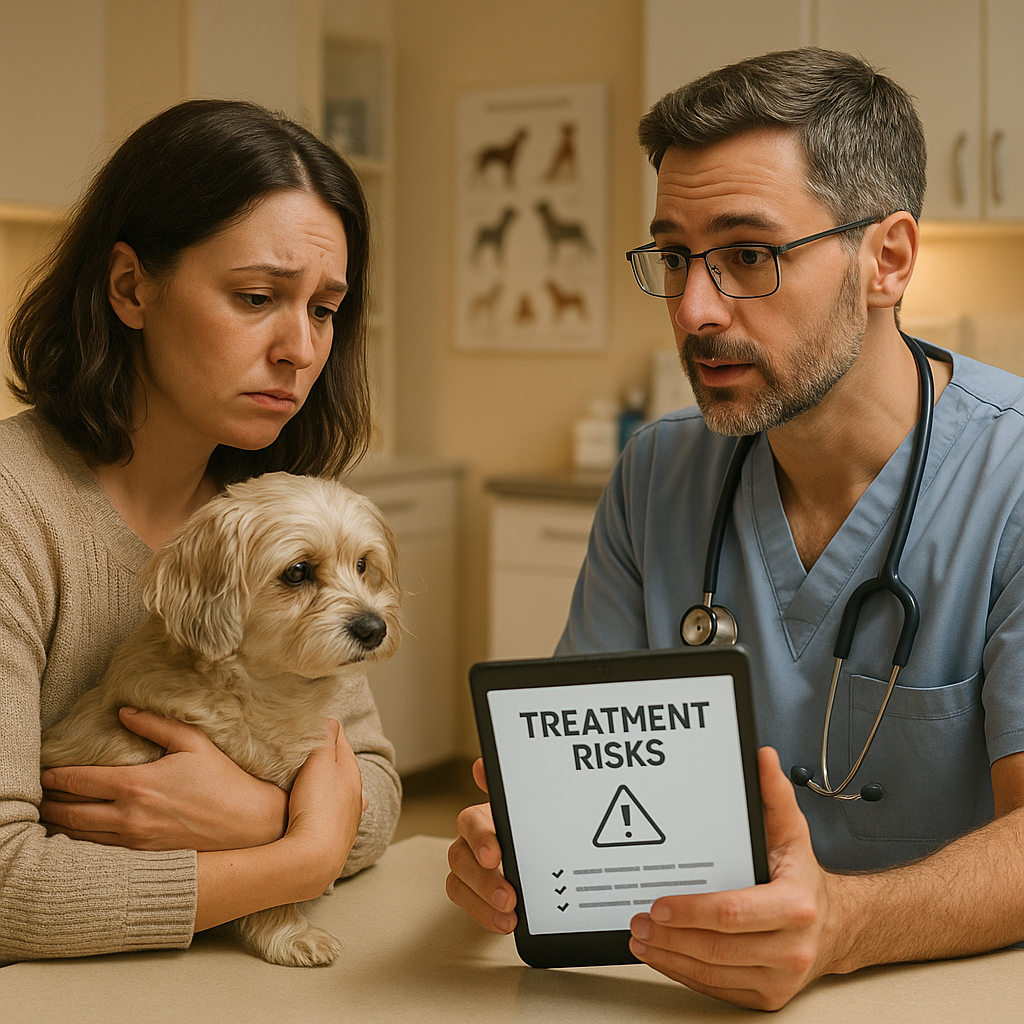
If doubt persists, nothing prevents you from seeking a second veterinary opinion. This approach does not call into question the practitioner’s skills; it mainly ensures the relevance of a treatment and the safety of the dog.
Alternatives and Paths to Reasoned Care
Complementary methods, such as animal osteopathy or acupuncture, can sometimes replace or reduce the use of medications. They fit into a holistic approach aimed at optimizing the dog’s mobility and comfort without overloading its body. Each technique requires a trained and recognized professional to avoid any adverse effects.
FAQ
What is overmedicalization in dogs?
It is the accumulation of examinations and treatments without compelling medical reason, leading to risks for the animal’s health and well-being.
How to recognize signs of excessive treatment?
Observe fatigue, digestive disorders, allergic reactions, and anxiety. If the dog shows several symptoms without improvement, discuss with your veterinarian.
Can natural care be combined with conventional treatment?
Yes, provided there is serious monitoring. Always inform the veterinarian of any supplements or alternative therapies used.
When to seek a second veterinary opinion?
In case of a serious diagnosis requiring a heavy and costly protocol, or if you doubt the relevance of an examination.