


Understanding the behavior of a potentially dangerous dog relies on observing its body signals and appropriate training. This guide provides concrete tools to spot warning signs, defuse risky situations, and know when to seek professional help.
🐾 Quick detection: spot rigid posture, raised fur, and isolated growling to act before escalation.
🔍 Fine interpretation: a simple ear movement or gaze can reveal stress or emerging aggression.
⚙️ Targeted prevention: gradual socialization, positive reinforcement, and desensitization exercises limit dangerous behaviors.
📞 Professional recourse: dog trainers or veterinary behaviorists intervene when the situation exceeds your skills.
Defining a potentially dangerous dog
A dog is considered potentially dangerous when it poses a high risk of aggression towards humans or other animals. This concept combines legal criteria and behavioral signals. Understanding this framework avoids any confusion between breeds and individuals.
French legislation
The Rural Code classifies dogs into two categories:
- Category 1 (type “attack dog”): prohibited from sale, transfer, or breeding.
- Category 2 (type “guard and defense dog”): subject to muzzle and aptitude certificate.
This classification is based on physical appearance and not on individual behavior, which can create misunderstandings.
Behavioral criteria
Beyond the law, each dog deserves a personalized evaluation. Key signs include:
- Frozen posture and tense muscles
- Prolonged visual fixation on a target
- Growling or persistent barking
- Raised fur along the spine
Observing the context of these signals sheds light on the origin of the discomfort (fear, territory protection, pain).
Warning signs to watch for

Early detection of the first symptoms of anxiety or aggression often prevents a critical situation. A slight discomfort misinterpreted can escalate into a crisis if not anticipated.
| Sign | Description | Risk level |
|---|---|---|
| Flattened ears | Indicating stress or fear | Medium |
| Furrowed brows | Contraction of facial muscles | High |
| Low growling | Warning signal before biting | Very high |
| Tail behind the body | Extreme anger or fear | Medium to high |
Strategies to manage and prevent risky behaviors
A combination of training, exercises, and environmental adjustments ensures a calmer daily life with a dog at risk. Each method adapts to the animal’s personality.
Early socialization and training
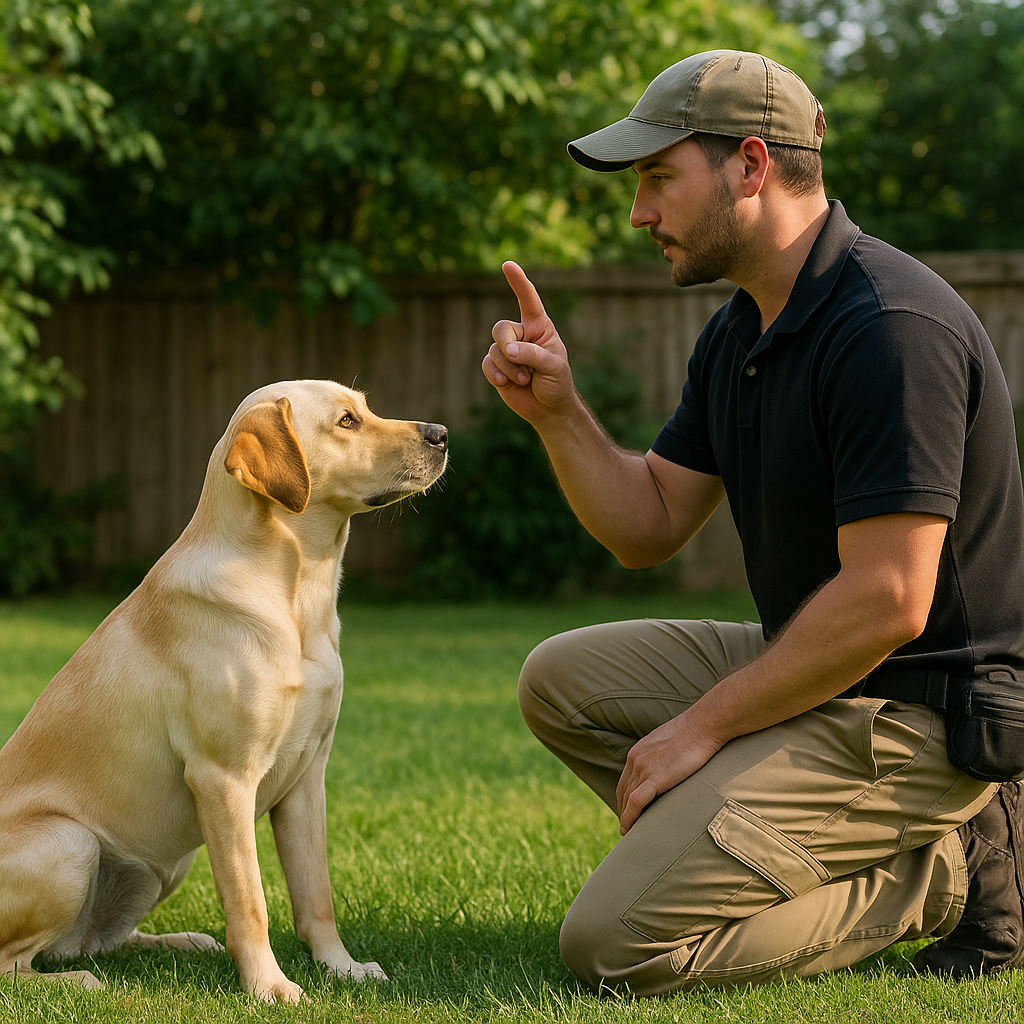
The idea is to accustom the puppy to various stimuli (noises, environments, humans) from a young age. Sessions of positive reinforcement promote confidence: treats, petting, or verbal praise mark good behavior.
Soothing Techniques
- Gradual Desensitization: expose the dog to the source of stress at low intensity, then gradually increase.
- Counter-conditioning: associate a negative stimulus with a positive experience (treat, toy).
- Relaxation exercises: gentle massages, calm games to reduce muscle tension.
Intervention in Crisis Situations
In case of an imminent attack, a professional recommends not to shout or make sudden movements: a sudden movement can worsen the dog’s panic. It is better to slowly move away, turn your back to avoid confronting its gaze.
When to Call a Professional
Repetitive or intense behaviors often signal a need for expertise. Here are some situations:
- Bites without apparent reason
- Increased aggression despite training
- Complicated separation anxiety
- Chronic stress causing behavioral disorders
A veterinary behaviorist or a certified dog trainer will assess the best approach, whether it is behavioral therapy or a customized protocol.
FAQ
- What is a potentially dangerous dog?
A potentially dangerous dog shows signals of territory protection or fear, which may lead to aggression. - What are the first signs of aggression?
Frozen posture, growling, raised fur, and fixed gaze are warning signs not to be ignored. - How to prevent these behaviors?
Socialization, positive reinforcement, and desensitization exercises reduce the risk of crisis. - Should I muzzle my dog?
In risky situations (public space, unexpected encounter), a muzzle can be a temporary safety tool. - When to consult a professional?
If the signals intensify or repeat despite your efforts, a trainer or veterinary behaviorist is necessary.