

| Key Points | Details to Remember |
|---|---|
| 🐾 Definition | Drontal is an oral antiparasitic treatment for dogs. |
| ⚙️ How It Works | Combination of praziquantel and febantel targeting roundworms and flatworms. |
| 🩺 Indications | Prevention and treatment of digestive worms (roundworms, tapeworms…). |
| ⚠️ Side Effects | Nausea, diarrhea, rare allergic reactions. |
| 🔍 Precautions | Adjust the dose according to age, weight, and health condition. |
| 🔄 Alternatives | Milbemax, Interceptor, natural treatments according to veterinary recommendations. |

When discussing Drontal for dogs, several preconceived ideas circulate: “Is it really safe?”, “Will my dog suffer after taking it?”. This antiparasitic is the subject of varied, sometimes contradictory testimonials. Here, we will set aside rumors to examine clinical data, practical feedback, and ways to limit any discomfort. The goal: to give you the keys to choose with full knowledge of the facts.
What is Drontal and how does it work on your dog?
Drontal combines two molecules, praziquantel and febantel, which target both flatworms (tapeworms) and roundworms (roundworms, hookworms). One might think these antiparasitics work like a vaccine, but they actually act like a targeted poison: they alter the metabolism of parasites without, in theory, affecting canine cells.
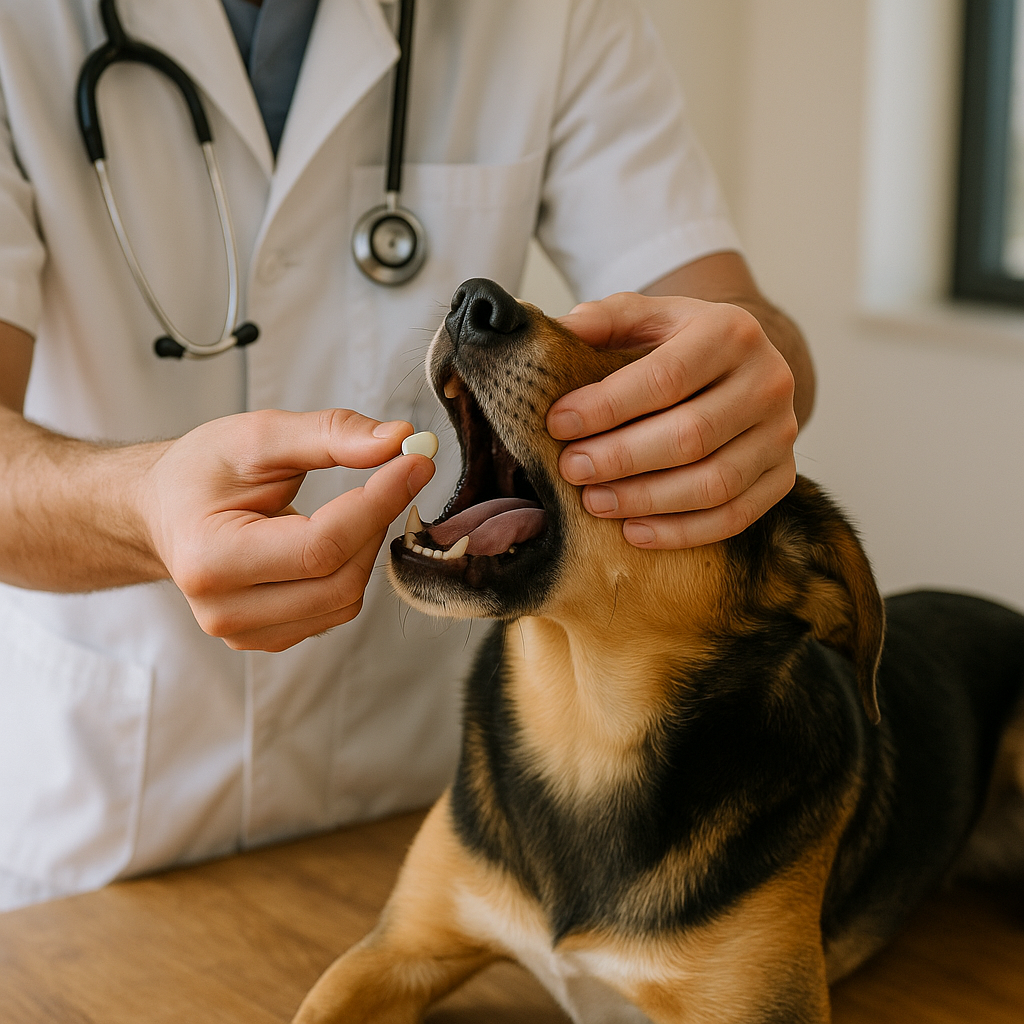
After ingestion, the dog absorbs the active ingredient through the intestinal mucosa. The worms become paralyzed, detach from the digestive walls, and are eventually naturally expelled. This mechanism seems simple on paper, but each organism reacts differently, especially depending on age or the presence of underlying medical conditions.
Confirmed side effects and their frequency

Contrary to popular belief, Drontal is not responsible for serious disorders in the majority of dogs. However, some reactions are documented and deserve to be reviewed.
Common digestive effects

In nearly 10% of cases, the following are noted:
- Mild or transient vomiting
- Moderate diarrhea, often within an hour after administration
- Loss of appetite for a few hours
This phenomenon is explained by the sudden release of toxins from parasites being destroyed. Usually, a small additional bowl of water and a 4-hour fast are enough to soothe the discomfort.
Rare neurological reactions
In veterinary literature, less than 1% of cases report issues such as tremors or disorientation: a signal to monitor, but not a systematic alarm. Often, these events fade within a few hours and may be linked to individual sensitivity. In reality, most cases resolve without additional treatment.
Allergic Reactions and Specific Sensitivities
Even rarer, allergic manifestations (itching, localized edema) are rather associated with an atopic background or prior exposure to a similar product. Your veterinarian may suggest a preliminary skin test if your animal has already shown food or drug allergies.
Factors Influencing the Appearance of Side Effects
Several parameters play a determining role in tolerance to Drontal:
- Weight and age: under- or overdosing modifies exposure to the active ingredients.
- Health status: liver or kidney failure, ongoing gastroenteritis.
- Interactions: another antiparasitic or antibiotic treatment can enhance side effects.
In some protocols, administration of other medications is spaced 24 to 48 hours apart to avoid any metabolic overload.
Testimonials and Feedback
Some owners spontaneously compare Drontal to other treatments. They sometimes mention Bravecto and its controversies, thinking to find a parallel. In reality, each molecule has its own pharmacological profile. The majority of feedback on Drontal remains positive, especially in adult dogs without prior history.
“My Labrador only experienced slight fatigue post-treatment, nothing comparable to the severe diarrhea episodes he had with his previous dewormer.” – Aurélie, Saint-Hubert breeder
In the absence of rich foods or risky behaviors (hunting small rodents), a deworming cycle every three to six months generally suffices to maintain a good balance.
Alternatives to Drontal: Overviews and Recommendations
For those who prefer to explore other options, the market offers several oral or topical antiparasitics. Here is a summary table:
| Treatment | Spectrum of Action | Frequency | Main Risks |
|---|---|---|---|
| Milbemax | Ascarids, tapeworms, hookworms | 2×/year | Rare vomiting |
| Interceptor | Ascarids, hookworms | 1×/month | Occasional loss of appetite |
| Natural treatments | Giromes, fleas | Variable | Limited efficacy, to be discussed |
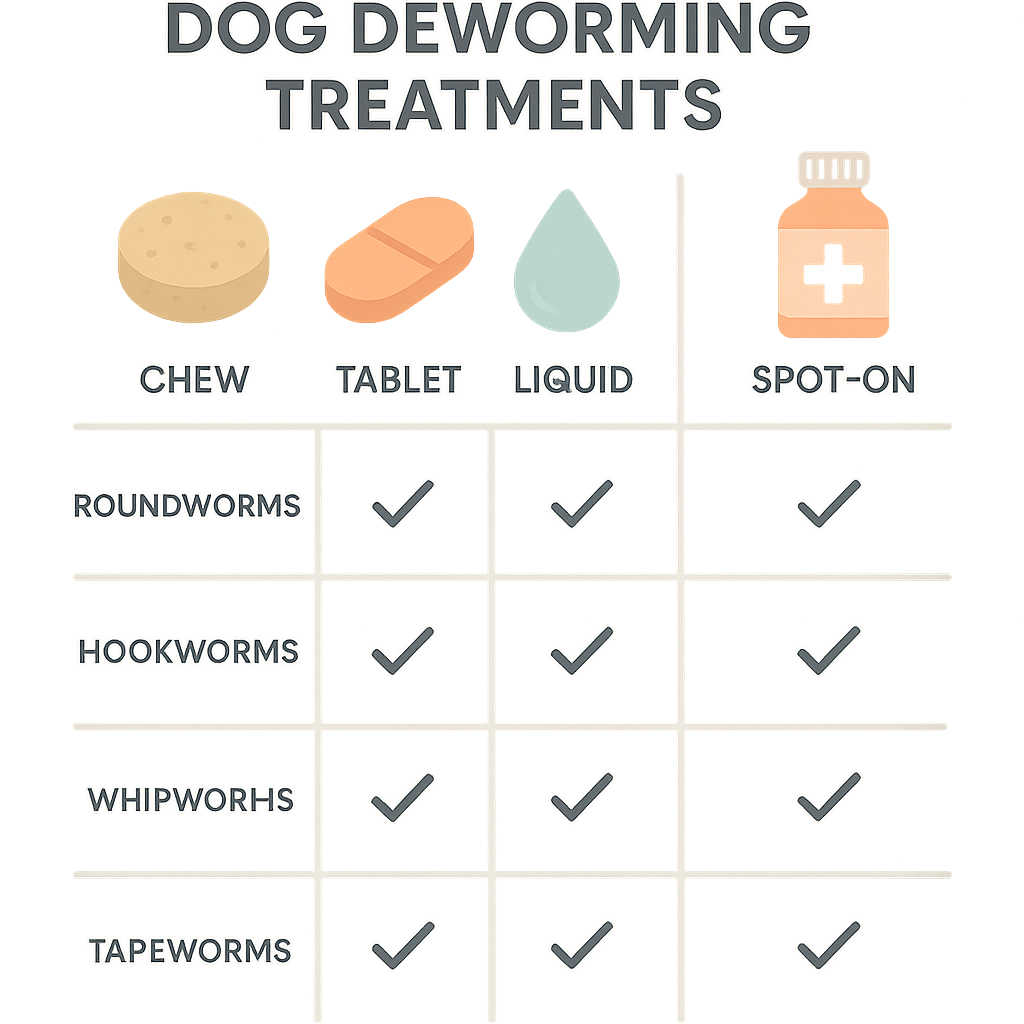
Each formula has its advantages and disadvantages. The key remains the discussion with your veterinarian, depending on age, lifestyle, and any possible pathologies.
Practical Advice to Minimize Side Effects
- Administer the tablet during the meal to limit nausea.
- Offer a small fiber-rich snack after 4 hours of fasting post-administration.
- Hydrate your dog abundantly, especially after an act such as vomiting.
- Monitor for 12 hours and note any unusual reaction for your veterinarian.
By addressing these points, you will reduce discomfort and promote good tolerance to the treatment: a healthy companion, free of parasites, is a happy companion.
FAQ
How often should Drontal be given to an adult dog?
Generally, a treatment every three to six months is sufficient for an adult dog without any particular history. Your veterinarian can adjust the frequency based on lifestyle and exposure to parasites.
Can Drontal be combined with other antiparasitic medications?
It is preferable to space different antiparasitics by at least 24 hours to avoid any interaction. Consult your veterinarian before any combination.
What signs should raise concern after administration?
Watch for persistent vomiting, severe diarrhea, or any allergic reaction (itching, swelling). If a symptom persists for more than 12 hours, contact your veterinarian.



