
| Key Points | Details to Remember |
|---|---|
| 🦴 Size | Often reaches 65–80 cm at the withers depending on sex |
| 💙 Temperament | Gentleness and sociability characterize the breed |
| 🏊 Swimming | Loves water: natural tendency to swim |
| 🛁 Maintenance | Requires regular brushing and targeted grooming |
| ⚕️ Health | Monitor hips, elbows, and weight |

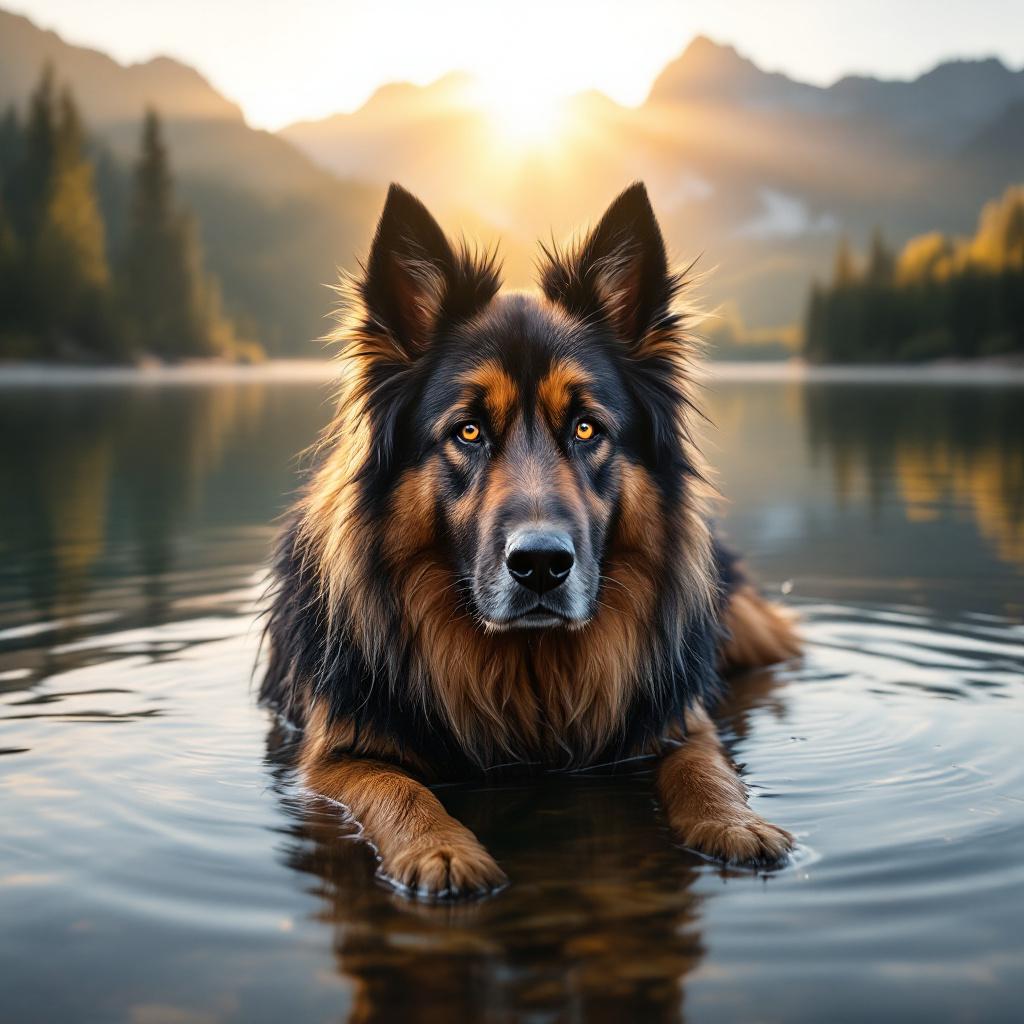
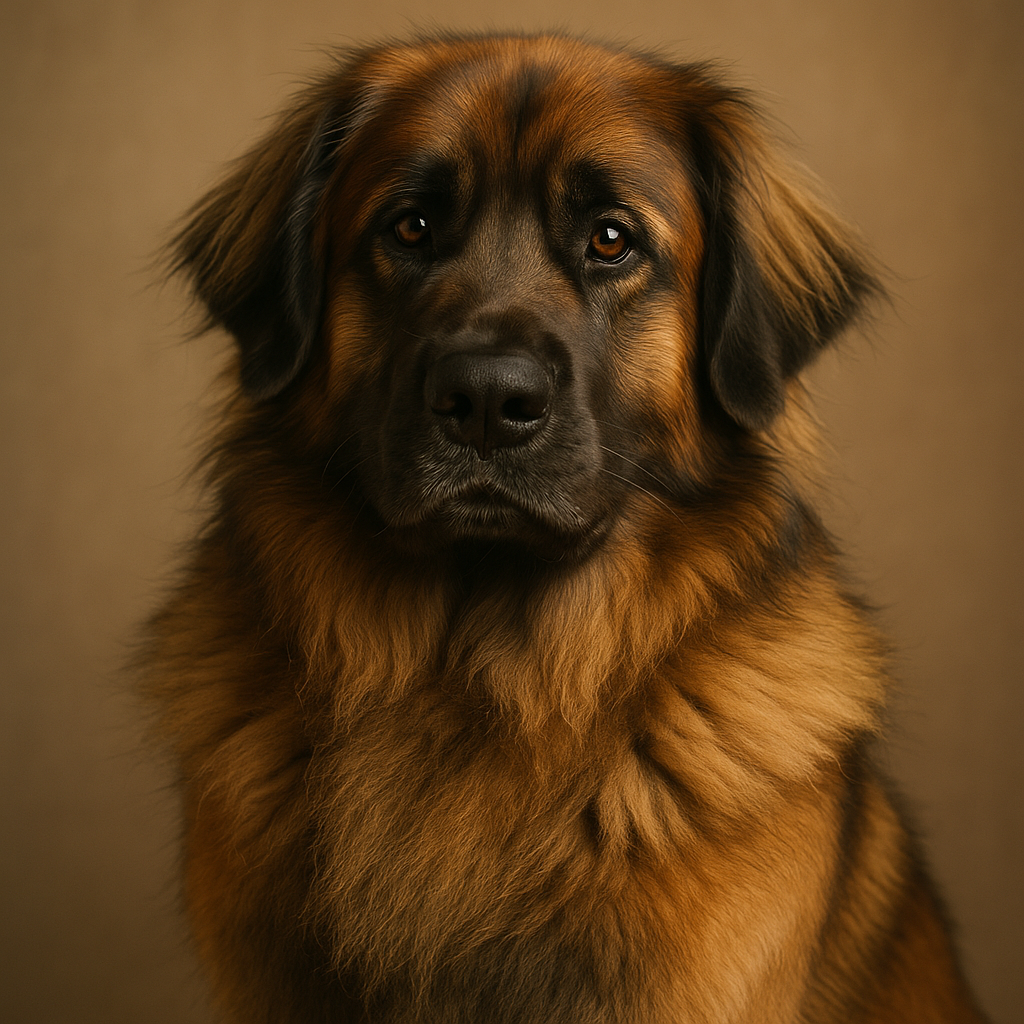
The Leonberg first impresses with its stature: broad head, massive chest, thick coat giving it the silhouette of a gentle giant. One might fear an authoritative character at first glance, but the reality is the opposite: the breed combines an imposing presence with incredible patience, qualities that partly explain why these dogs are often chosen as family companions. Among the most remarkable aspects, the Leonberg’s relationship with water deserves special attention: many individuals show a marked liking for swimming, and it is an excellent way to channel their energy without stressing their joints. This guide offers you a comprehensive overview — temperament, physical needs, introduction to swimming, grooming, and health watch points — to better understand and support this “giant with a tender heart” on a daily basis.
Origin and physique: understanding the Leonberg “build”
Originating in the 19th century in Germany, the Leonberg resulted from a thoughtful crossbreeding aimed at recreating the look of the heraldic lion of the city of Leonberg. Breeders favored powerful lines, blending robustness and elegance. The result: a large breed dog, often between 65 and 80 cm at the withers, with a weight generally ranging between 45 and 75 kg depending on constitution and sex. The musculature is solid, but the whole remains harmonious — the gait should appear fluid rather than heavy.
The Leonberg’s coat is double: a dense undercoat that protects against the cold and a long topcoat that forms the mane in males. Colors range from golden lion to reddish brown, sometimes with a black mask. This combination of density and length partly explains the regular need for brushing and the interest in aquatic activity which, when practiced properly, can help control weight and physical condition without traumatizing the joints.
Essential morphological characteristics
- Head broad, moderate stop, gentle and lively expression.
- Body long but powerful, deep chest.
- Coat double, weather-resistant, requires targeted maintenance.
- Tail carried like a saber, balancing the silhouette in motion.
Temperament: a balance between protection and gentleness
The Leonberg is not an aggressive dog; it prefers retreat or observation rather than confrontation. However, it retains a vigilance that makes it reliable as a non-aggressive guard dog. Its sociability makes it excellent with children: it easily tolerates clumsy play and knows how to moderate its strength. All this does not prevent individual variations — some subjects are more reserved, others more demonstrative — which is why early socialization proves crucial.
Education and Socialization
One might think that size alone is enough to command respect; in reality, the best foundation remains consistent training. The Leonberg responds very well to training based on reward and encouragement rather than coercion. Regular obedience exercises, integrated as games, help maintain focus and channel energy. For a dog of this size, mastering recall and walking on a leash is more than a convenience: it is a safety measure for the dog and those around it.
Why the Leonberg Loves Water: Anatomy, Instinct, and Well-being
Many owners notice a natural inclination of the Leonberg for swimming; this is no coincidence. The length of the legs, muscular strength, chest density, and a certain buoyancy linked to the fur allow effective propulsion in aquatic environments. Beyond anatomy, the evolution of the dog’s social behavior, its curiosity, and the sensory stimulation offered by water explain its attraction.
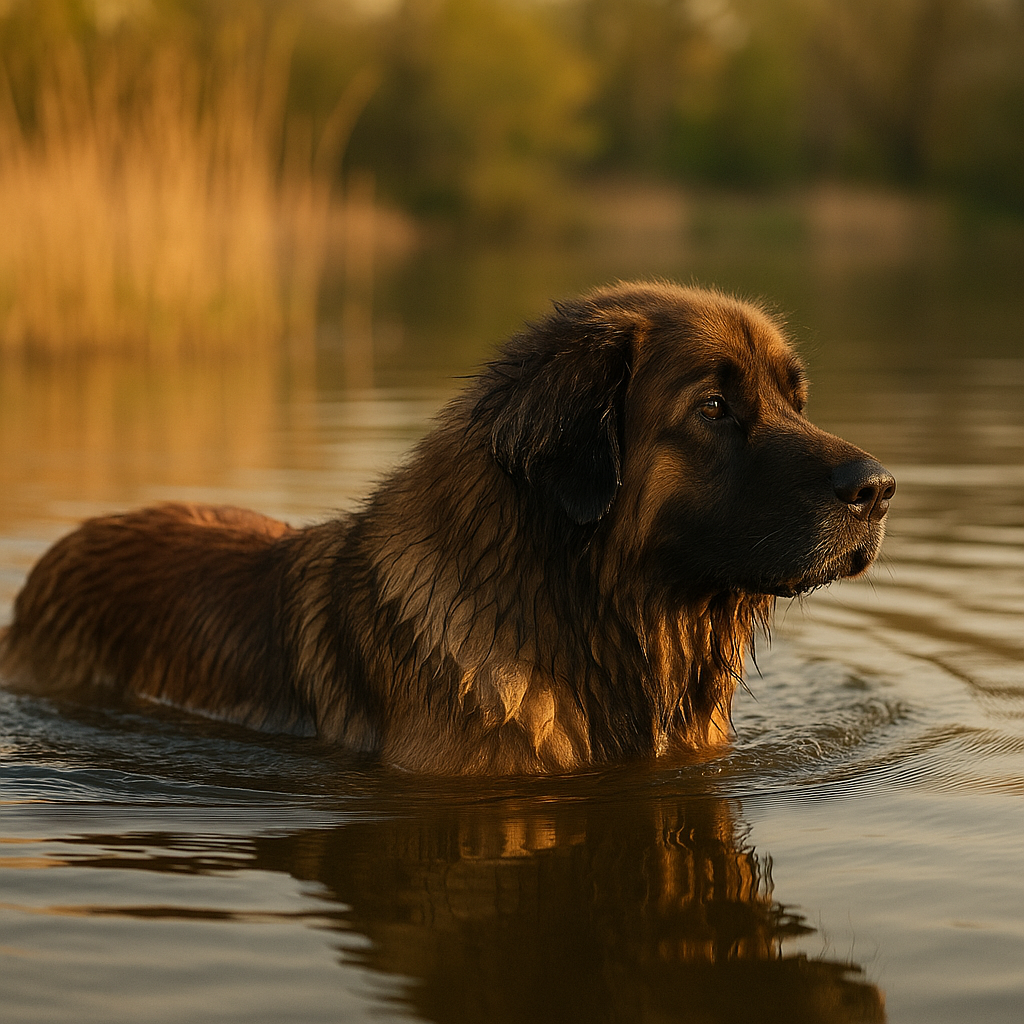
Swimming offers concrete benefits: it strengthens postural muscles, preserves joints thanks to low-impact effort, and improves cardiovascular capacity. For a large dog, it is often the gentlest and most complete activity, provided simple rules are followed to secure the first experiences.
Introduction to Swimming: Practical Steps
- Choose a calm and shallow place for the first sessions.
- Introduce water gradually: games at the edge, rewards, floating leash.
- Use a flotation vest adapted to large breeds if necessary.
- Never force the dog: trust must precede long swimming sessions.
- Rinse the coat after swimming to remove residues and dirt.
Health and Points of Caution for a Great Swimmer
Like all large breeds, the Leonberg has predispositions that must be monitored. Hip and elbow dysplasia are among the most well-known, as well as certain heart problems and eye conditions. Swimming can be beneficial to protect the joints, but overtraining or sudden entry into cold water after intense exercise should be avoided. A regular veterinary check-up, including an orthopedic evaluation before increasing aquatic activity, is recommended.
Weight, Diet, and Prevention
Maintaining an optimal weight limits stress on the joints. In practice, this translates into feeding divided into several meals, rich in quality proteins and balanced in fats, with an adapted intake of omega-3 to support joint inflammation. Supplementation with chondroprotectors can be considered depending on age and the veterinarian’s advice.
| Aspect | Practical Advice |
|---|---|
| Weight Control | Assess body condition monthly and adjust rations |
| Joints | Schedule an X-ray check-up if limping or stiffness occurs |
| Cardio | Consult for an examination before intense activities |
Grooming: Between Aesthetics and Health
The abundant coat of the Leonberg requires regular maintenance. A thorough brushing once or twice a week limits tangles and dandruff formation, and twice as often during shedding season to remove dead undercoat. Drying after swimming must be done carefully: squeezing water out with a towel then allowing to air dry naturally avoids the stress of a hairdryer and preserves the texture of the coat. Baths are useful but not too frequent: they remove deposits and refresh the dog, but excessive frequency can alter the skin’s natural oils.
Practical Grooming Tips
- Brush with a brush suited for long fur and a rake for the undercoat.
- Check regularly the risk areas: under the thighs, behind the ears, and at the armpits.
- Trim slightly the hairs around the paw pads to avoid slipping on wet floors.
Living with a Leonberg: Arrangements and Quality of Life
A Leonberg is not a discreet apartment dog. It requires space to move, regular outings, and above all a stable human relationship. However, with an adapted routine — long but moderate walks, structured play sessions, occasional swims, and calm moments indoors — the dog becomes a harmonious, attentive, and incredibly endearing partner. In an apartment, this implies a high level of activity and strong owner involvement to avoid boredom and destructive behaviors.
Tips for Family Integration
- Involve every family member in education to avoid excessive preferences.
- Plan calm play periods and rest times, proportional to the dog’s size.
- Prepare a spacious sleeping area isolated from drafts.
Frequently Asked Questions
Still wondering if a Leonberg is right for you? Here are targeted answers to the most common concerns.
Is the Leonberg suitable for families with children?
Yes, but under supervision and with appropriate training: the breed tolerates children well and knows how to moderate its strength, but its size requires vigilance during vigorous play. Learning mutual respect between child and dog is essential.
Is swimming risk-free for the Leonberg?
Overall, swimming is beneficial, but it must be progressive. Dogs with heart, respiratory, or joint problems require veterinary advice before any sustained aquatic activity. Avoid water that is too cold and monitor fatigue by providing regular breaks.
How to maintain the coat during shedding?
Increase brushing frequency during shedding and use a rake to remove the undercoat. Degreasing baths are to be avoided: favor gentle shampoos and careful drying to prevent residual moisture.
Practical Summary: What to Remember Before Adopting
- Prepare a suitable space and time for daily exercise.
- Plan socialization and education based on kindness.
- Consider swimming as a preferred activity to preserve joints.
- Anticipate grooming needs and regular health check-ups.
FAQ — Quick Questions
- At what age can a Leonberg swim? As soon as the puppy masters its movements and if the water is shallow; start with short sessions around 3–4 months, depending on development and veterinary advice.
- How much brushing time per week? Generally 1–2 hours spread over the week, more during shedding.
- Is it suitable for apartment living? Possible if you compensate with long walks and significant mental stimulation.