
| Key Points | Details to Remember |
|---|---|
| 🧬 Origin | Originating from Italy, related to European Spitz and developed as a companion and guard dog. |
| 🧾 Size | Small and compact: generally between 9 and 12 kg according to standards and morphology. |
| 🧠 Temperament | Lively, alert, and affectionate, it forms a strong bond with its home but can be wary of strangers. |
| ✂️ Maintenance | Regular grooming required for the double coat: weekly brushing and care of ears/nails. |
| 🏡 Daily life | Adaptable to apartment living provided there is mental exercise and regular walks. |
| 🩺 Health | Robust but watch out for dental issues and joint problems in some individuals. |

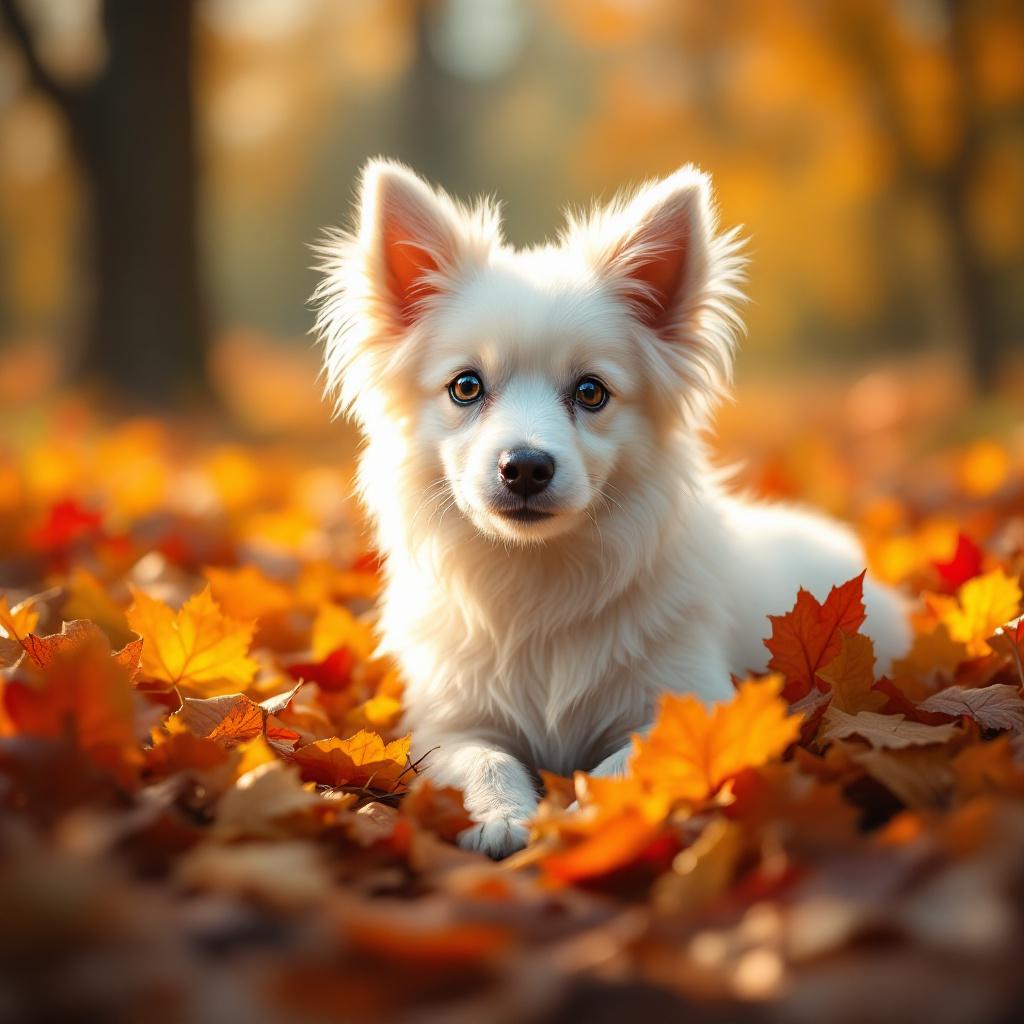
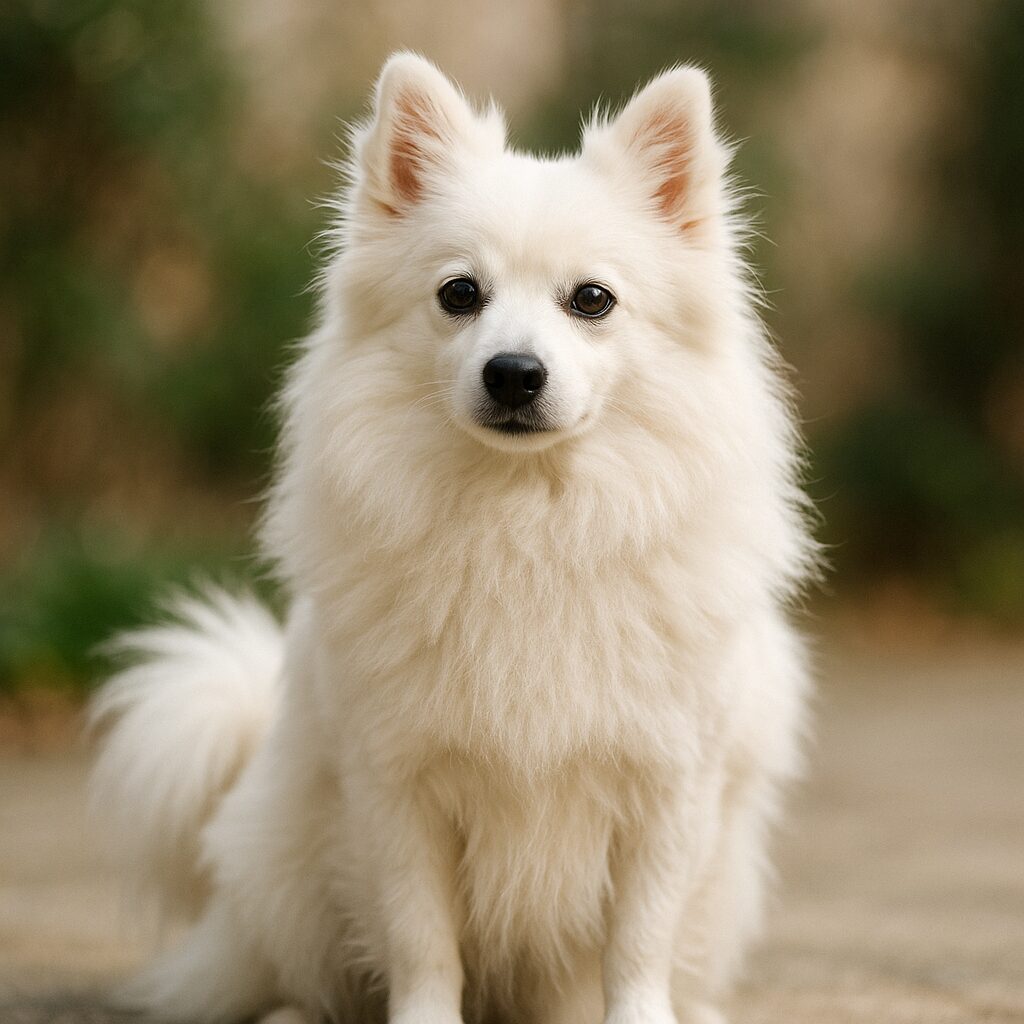
The Volpino Italiano resembles a miniature white fox: dense coat, lively expression, and a presence that immediately catches the eye. This small Italian Spitz retains guardian instincts while showing a true inclination for companionship. If you are considering adopting a Volpino, you need to look beyond the image of a “pretty white dog” to understand its real needs — grooming, mental stimulation, socialization — in order to offer a balanced life to this energetic companion.
History and Origin
The Volpino traces its roots to European Spitz: an ancient lineage used for guarding, companionship, and sometimes hunting small pests. In Italy, it experienced ups and downs, nearly fading into oblivion in the 20th century before regaining a place among heritage breeds. Its name evokes both size and appearance: “volpino” means “little fox.” Historically, it was appreciated for its liveliness and ability to alert the household, qualities that still persist in its daily behaviors today.
Appearance and Physical Standards

Size, Weight, and Silhouette
It is not a heavy dog: the Volpino shows a compact, harmonious silhouette, with fine but solid bone structure. Standards vary slightly depending on clubs, but generally, a moderate weight and a height of about 30 to 35 cm at the withers are expected. The tail, often carried curled over the back, contributes to the characteristic Spitz image.
Coat and Colors
The coat most frequently associated with the breed is pure white, which enhances the “miniature fox” impression thanks to a marked contrast between the thick coat and dark eyes. However, cream or orange shades exist depending on the lines. The coat consists of a double layer: dense undercoat and longer outer coat, providing protection and visual presence.
Character and Behavior
The Volpino is a bundle of personality: attentive, curious, and often very attached to its human reference. It can show some wariness with strangers, making it effective as an alert dog. However, it is not aggressive by nature; early socialization moderates its reactions and teaches it to distinguish a visitor from a real threat.
Intelligence and Mental Needs
One might think that, due to its size, it is content with little; in reality, the Volpino demands regular stimulation. Scent games, positive reinforcement sessions, and varied walks are essential for it. Without sufficient intellectual activity, it risks developing undesirable behaviors — vocalizing, digging, or boredom behaviors.
Maintenance and Grooming
The voluminous white coat requires a regular routine, but it is not insurmountable: a thorough brushing once or twice a week is enough for most subjects, with more frequent sessions during shedding periods. Baths should remain occasional to preserve the protective film of the coat, and ear, teeth, and nail care complete the maintenance.
Recommended Grooming Routine
| Frequency | Action |
|---|---|
| Weekly | Complete brushing and checking for mats under the armpits and behind the ears |
| Monthly | Cleaning of the ears and light nail trimming if necessary |
| Occasional | Bath especially after significant dirt or under veterinary supervision for sensitive coats |
Feeding and Health
The Volpino has no extraordinary dietary requirements, but quality is paramount: a balanced diet, adapted to age and activity level, protects its metabolism and coat. Puppies need a protein-rich diet to grow harmoniously; adults benefit from a moderate ration, divided if necessary to avoid excesses.
Common Health Issues
Overall, the breed is robust. However, some lines may present dental predispositions (tartar buildup) and, more rarely, joint problems. Regular veterinary check-ups, preventive dental brushing, and weight management limit these risks. Increased monitoring during old age is necessary to adapt diet and activity.
Training and Socialization
The Volpino learns quickly, but can also be stubborn. Reward-based methods work better than coercion: treats, games, and encouragement reinforce desired behaviors. Early socialization prevents excessive hypervigilance and facilitates cohabitation with other animals and children.
Practical Training Tips
- Start early: gradual exposure to different environments and people.
- Short sessions: frequent 5 to 10 minute sessions rather than long, monotonous ones.
- Positive reinforcement: quick and consistent rewards to consolidate basic obedience.
- Stimulation games: food puzzles and scent searches stimulate intellect.

Living in an Apartment or House: Which Environment?
The Volpino adapts well to apartment living, provided the lack of space is compensated by regular walks and mental activities. It appreciates stable and responsive households; very quiet homes will suit as long as stimulation is not neglected. A garden is an advantage, but it does not replace daily walks and human interaction.
Choosing a Volpino: adoption or breeder
If you consider the idea of adopting, prioritize shelters or specialized associations, where you can sometimes find Volpinos in need of a second chance. For a puppy, select a serious breeder: ask for health certificates, observe the breeding conditions, and assess the temperament of the parents. A good breeder will give you precise advice on feeding, socialization, and the start of grooming.
Cost and annual budget
Beyond the purchase or adoption price, taking into account the annual budget avoids surprises: quality food, veterinary visits, prevention (deworming, antiparasitics), grooming, and accessories. For a healthy Volpino, a realistic budget combines economy and prevention: investing in prevention often costs less than treating neglected problems.
FAQ
- Does the Volpino bark a lot?
- It can be vocal, especially when it detects changes in its environment. Appropriate socialization and training limit unnecessary barking.
- Is it a good dog for a family with children?
- Yes, if socialized from a very young age. It enjoys company but sometimes prefers to avoid rough play; supervision and learning mutual respect remain essential.
- Can it be left alone for several hours?
- A few hours are generally tolerable, but prolonged absences without stimulation can cause anxiety. Prepare interactive toys and a gradual routine to get it used to being alone.
- What is the life expectancy?
- The Volpino tends to live between 12 and 15 years, sometimes longer if diet, exercise, and veterinary care are well managed.
Summary table: essential needs
| Aspect | Frequency/Quantity |
|---|---|
| Grooming | Brushing 1 to 2 times per week, more during shedding |
| Exercise | Daily walks of 30-60 minutes + play |
| Feeding | Ration adapted to age, divided for sensitive individuals |
| Socialization | Continuous exposure to people, noises, and animals from a young age |
Implicit conclusion — are you ready?
Adopting a Volpino means embracing a companion who is both alert and affectionate. Its needs are demanding in certain areas — grooming, mental stimulation, socialization — but they remain perfectly compatible with a thoughtful family life. If you are looking for a small, lively dog, present and endowed with a strong personality, the Volpino deserves consideration. The choice should be based on knowledge of the breed and concrete preparation to offer this “white fox” a balanced and happy life.