
| Key Points | Details to Remember |
|---|---|
| 🐕 Breed Traits | Loyalty and intelligence at the core |
| 🏞️ Daily Routine | Exercise and stimulation keep them happy |
| 🎓 Training | Consistency and positive reinforcement |
| 🩺 Health Care | Regular vet visits and balanced diet |
| 🤝 Bonding | Playtime and communication strengthen ties |
| 😊 Owner Satisfaction | Joy and fulfillment in daily companionship |

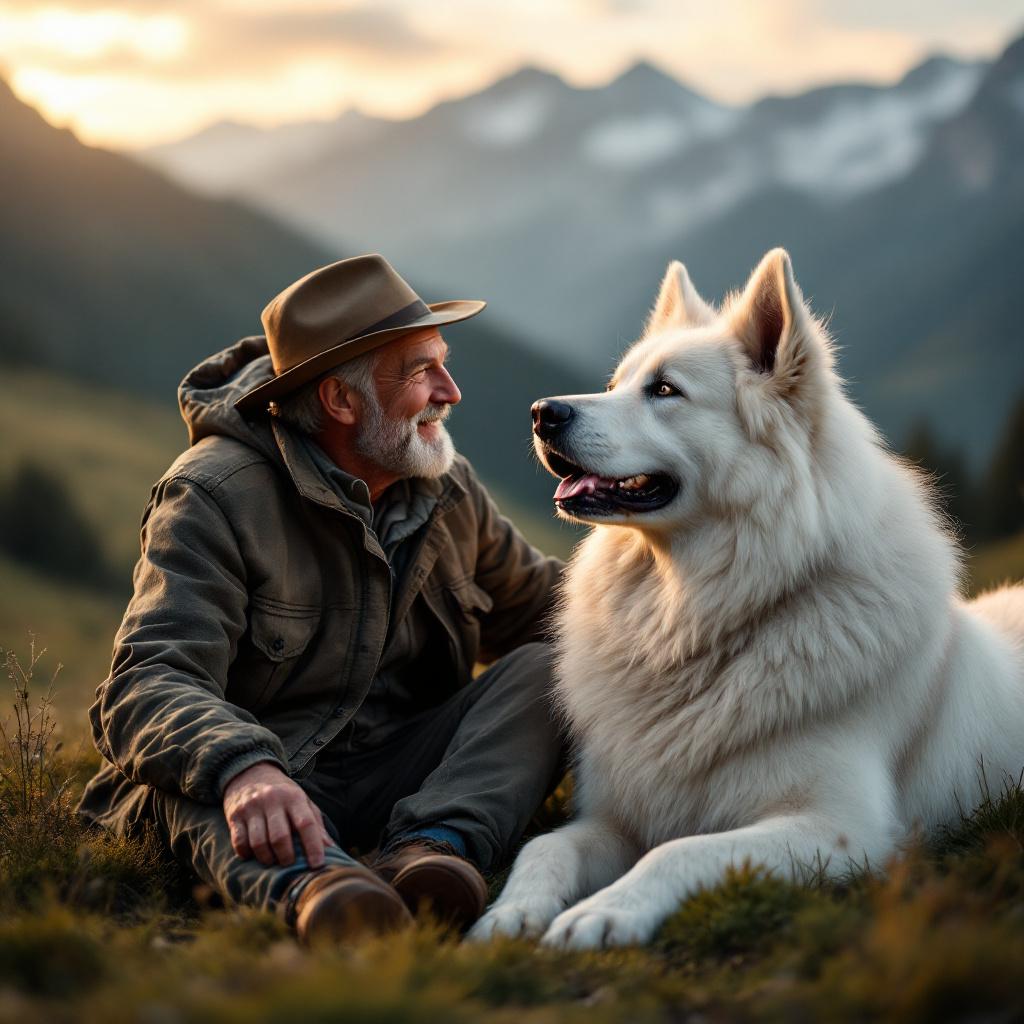
Swiss Shepherds combine striking white coats with a warm temperament and boundless energy. In this portrait, an owner shares how daily walks, thoughtful training, and genuine affection have turned their shepherd into a living symbol of devotion.
Origins and Temperament of the Swiss Shepherd
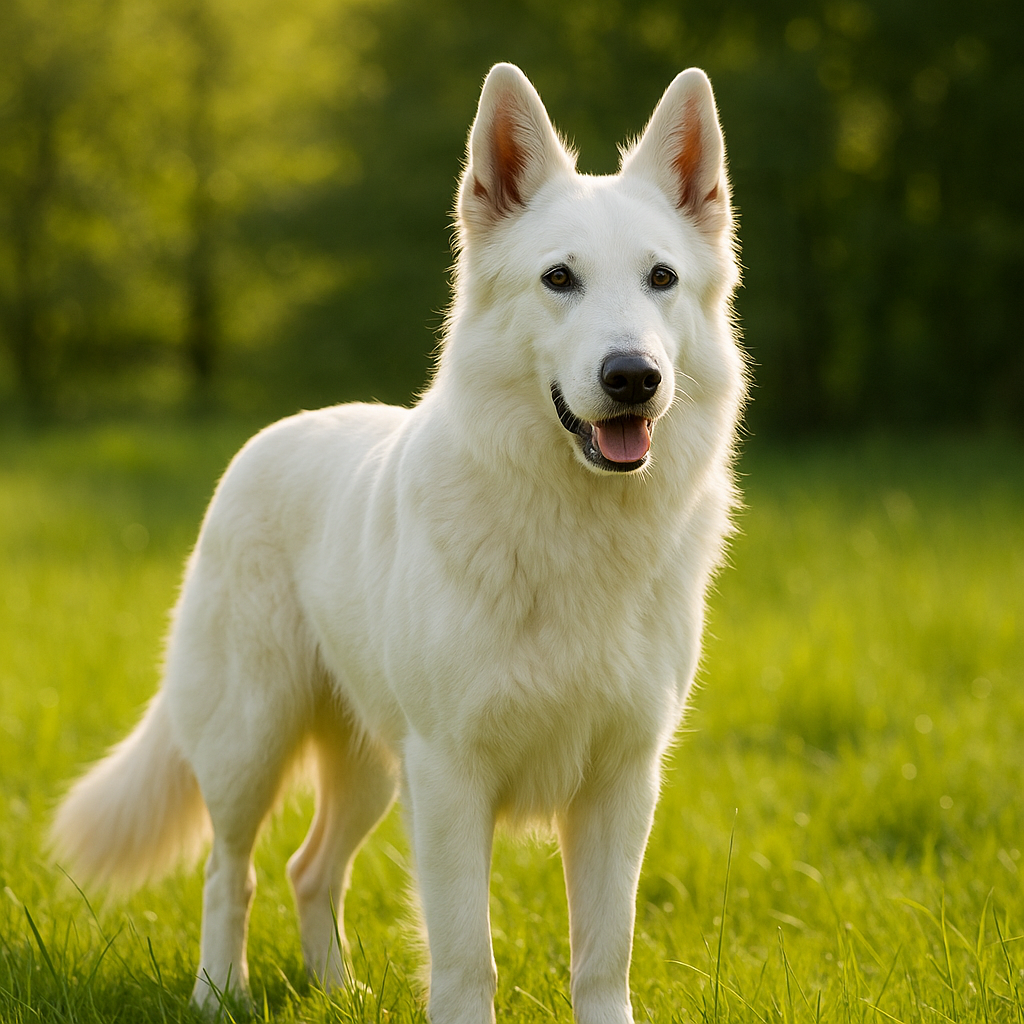
Swiss Shepherds descended from White Swiss Shepherd Dogs and carry a heritage of herding and working alongside humans. That history shapes their trainability and eagerness to please.
Historical Background
In the early 20th century, farmers in Switzerland selectively bred white-coated variants of German Shepherds for herding duties. The result was a dog both elegant and robust, prized for its calm working drive. Post–World War II, enthusiasts formalized the breed’s standards, emphasizing the white coat and gentle nature.
Core Temperament Traits
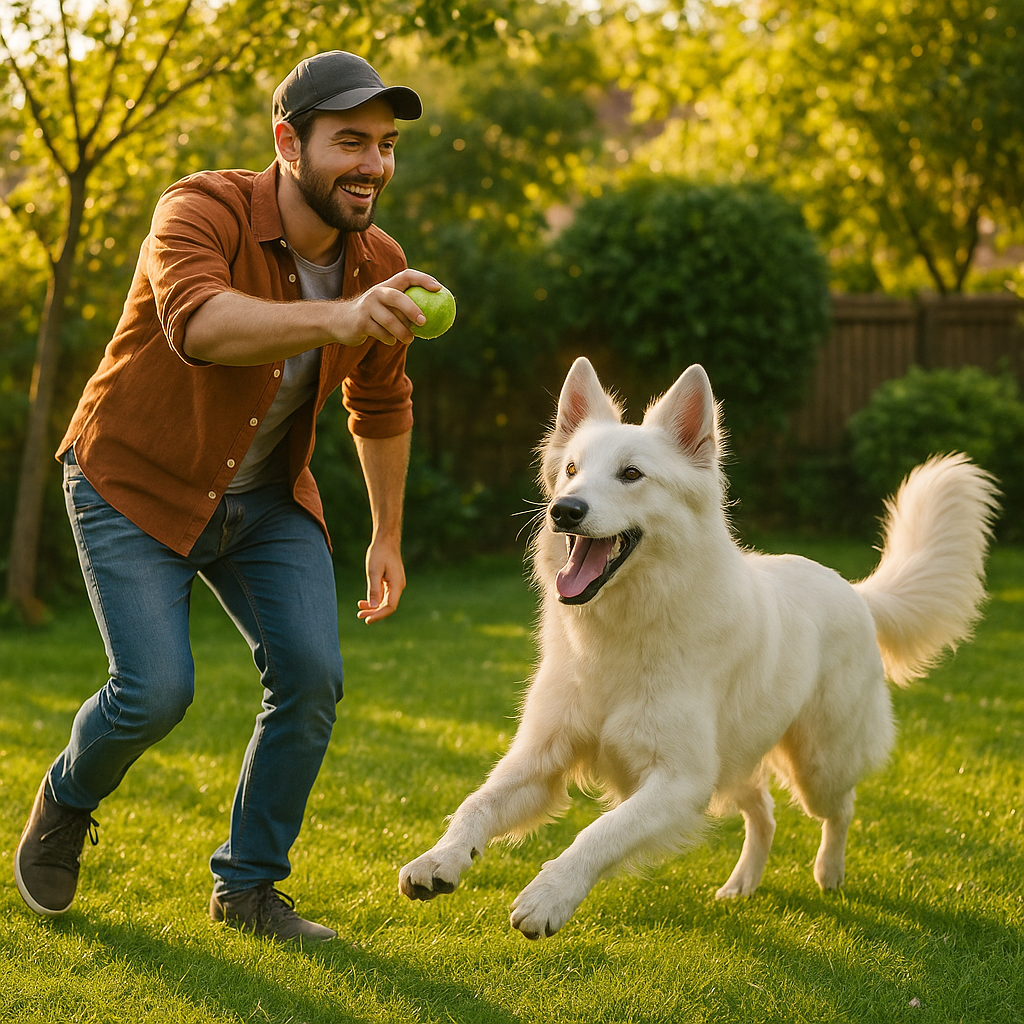
Owners note an immediate warmth when meeting a Swiss Shepherd. This breed strikes a balance between alertness—ideal for guarding—and sociability with family members. They often display a playful streak, turning every yard into an adventure ground, yet remain observant and patient with children.
Daily Life with a Swiss Shepherd

Keeping a Swiss Shepherd fulfilled means combining physical exercise with mental challenges. A structured routine brings out the best in their eager minds.
Exercise Requirements
- Morning jogs or hikes lasting 30–60 minutes.
- Afternoon games—fetch, scent trails or agility drills.
- Social park visits for canine interaction.
Our owner describes weekend mountain walks as “transformative”—the dog returns content, muscles well-toned, and mind refreshed.
Nutrition and Feeding Schedule
Quality protein sources—chicken, lamb, or fish—keep muscle mass strong. The following table outlines a sample feeding plan:
| Meal | Portion | Notes |
|---|---|---|
| Breakfast | 2 cups of dry kibble | Rich in protein, low grain |
| Lunch (optional) | ½ cup wet food | Hydration boost |
| Dinner | 2 cups of dry kibble + veggies | Balanced with fiber |
Training and Socialization Strategies
Early, consistent training sculpts a Swiss Shepherd’s instincts into reliable behaviors. Positive methods deepen trust.
Puppy Socialization
- Introductions to varied environments from 8 weeks onward.
- Gentle handling and exposure to household noises.
- Short playdates with vaccinated dogs.
Such steps prevent timidity and foster a confident adult dog eager for new experiences.
Essential Training Tips
Use treats sparingly; switch to praise and tactile rewards once commands are learned. Key commands like “sit,” “stay,” and “leave it” become natural with five-minute sessions—twice daily.
“Consistency wins over volume of commands,” advises our owner, who balanced firm guidance with playful breaks.
Health, Grooming, and Lifespan
Swiss Shepherds generally live 12–14 years, provided they receive attentive care. Monitoring common issues ensures long-term well-being.
Contrôles vétérinaires réguliers
- Dépistages annuels des hanches et des coudes pour la dysplasie.
- Nettoyage dentaire pour éviter l’accumulation de tartre.
- Calendriers de vaccination et de prévention contre les parasites.
Routine de toilettage
Leur double pelage mue saisonnièrement. Un brossage hebdomadaire réduit les poils dans la maison, tandis qu’un peignage quotidien au printemps et en automne élimine le sous-poil mort. Des bains tous les trois mois maintiennent la peau en bonne santé sans enlever les huiles naturelles.
Approfondir le lien humain–canin
Les moments de compagnie silencieuse laissent souvent les impressions les plus profondes. Que ce soit par le travail olfactif ou les promenades partagées, chaque propriétaire crée des souvenirs uniques.
Activités d’enrichissement
Les jouets distributeurs de nourriture transforment les repas en énigmes, aiguisant les capacités de résolution de problèmes. Les séances de natation, lorsque le temps le permet, offrent un exercice à faible impact apprécié par les articulations.
Signaux de communication
- Des tons vocaux doux signalent l’approbation ; un « non » ferme arrête les comportements indésirables.
- Les signaux manuels renforcent les commandes orales, surtout dans les environnements bruyants.
- Le contact visuel construit la confiance — récompenser le moindre regard renforce le rappel.
« Essentiels à retenir »
- Les Bergers Suisses prospèrent grâce à des routines cohérentes mêlant exercice et repos.
- Des séances d’entraînement courtes et positives donnent de meilleurs résultats.
- Des contrôles de santé réguliers et un toilettage ciblé favorisent la longévité.
- Le jeu et l’enrichissement maintiennent la vivacité mentale.
FAQ
- Qu’est-ce qui différencie les Bergers Suisses des Bergers Allemands blancs ?
- Bien qu’ils partagent une ascendance, les Bergers Suisses sont élevés pour un tempérament plus doux et une norme stricte de pelage blanc, privilégiant le rôle de compagnon plutôt que de travail.
- Combien d’exercice quotidien un Berger Suisse nécessite-t-il ?
- Au moins 60 à 90 minutes d’activités variées — jogging, séances de jeu, énigmes mentales — pour éviter l’ennui.
- Sont-ils de bons chiens de famille ?
- Oui ; leur nature patiente et leurs instincts protecteurs les rendent idéaux avec les enfants et les personnes âgées.
- Comment gérer la mue saisonnière ?
- Augmenter le brossage à quotidien pendant les périodes de forte mue et utiliser des râteaux à sous-poil pour enlever les poils lâches.
- Les Bergers Suisses s’adaptent-ils à la vie en appartement ?
- Ils la tolèrent si leurs besoins d’exercice sont satisfaits, mais un jardin ou des sorties régulières sont fortement recommandés.