
| Key points | Details to remember |
|---|---|
| 🐾 Definition | Scottish herding dog with a bearded face and lively temperament. |
| 🏔️ Origin | Born in the Highlands, used for herding and guarding. |
| 🧠 Temperament | Intelligent, playful, requires lots of interaction and activity. |
| ✂️ Maintenance | Regular grooming necessary: frequent brushing and targeted care. |
| 🏃 Activity | Needs daily exercise and mental stimulation. |
| 🩺 Health | Life expectancy 12–14 years, watchfulness for certain hereditary conditions. |

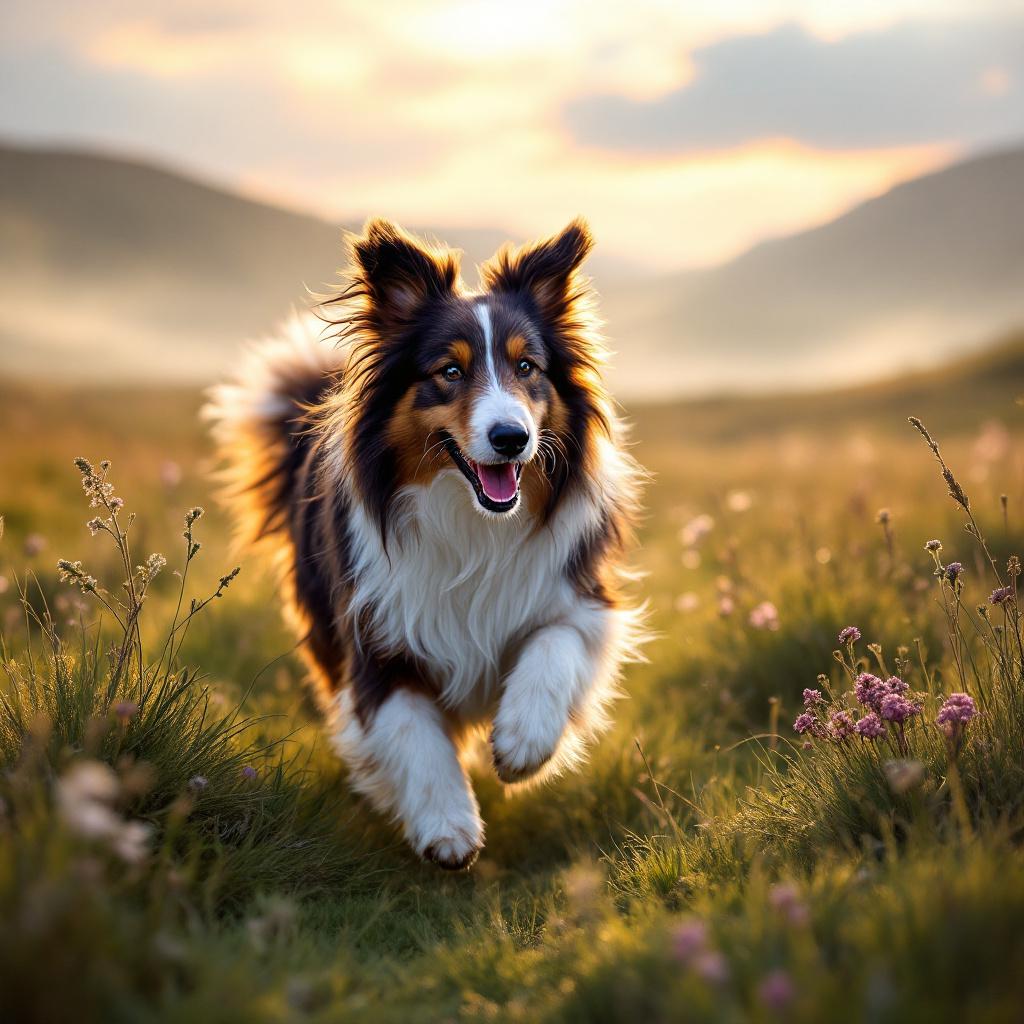
The Bearded Collie, often called the “bearded” for its drooping whiskers, gives the impression of a small joyful whirlwind crossing the pastures. Born among the rocks and peat bogs of Scotland, it combines utilitarian robustness with contagious exuberance: it is not a dog for inactivity. One might think that its scruffy appearance hides a simple temperament, but in truth the Bearded Collie demands consistency, play, and a good dose of empathy. In this article, I analyze its history, character, daily care, and what to expect before adopting one.
Origins and history: from the Highlands to contemporary homes
Traces of “bearded” dogs on Scottish lands go back several centuries; they were not created by modern breeding but evolved in contact with shepherds and the needs of the terrain. Their primary role was to gather, drive, and guard herds on steep landscapes where agility was better than brute strength. It was only in the 19th century that enthusiasts began to record its characteristics — dense coat, hairy face, bouncy gait — before the breed gradually gained salons and homes outside the Highlands.
Traditional functions
Unlike some herding dogs that simply obey orders, the Bearded Collie often had to decide on its own: anticipate the direction of the herd, negotiate narrow passages, or distract a reluctant animal. This autonomy has left a mark on its modern behavior: it thinks, improvises, and likes to take initiative. Contemporary breeders seek to preserve this sense of initiative while tempering independence through early socialization and consistent training.
Character and temperament: energy, gentleness, and mischief

The Bearded Collie is neither shy nor aggressive; it is rather sunny and curious. At home, it can be incredibly close to its family, with almost clownish reactions to get attention and play. Its liveliness needs to be channeled: without sufficient stimulation, it invents its own activities, sometimes destructive. Socially, it gets along well with other dogs and appreciates human company, but it retains a fine sensitivity that requires respect and consistency in rules.
Compatibility with Children and Family Life
With children, the Bearded Collie can be a tireless play partner. The downside lies in its size and energy: it can accidentally knock over a toddler. Supervised socialization, clear rules, and enforced rest times prevent these outbursts. For active people, hikers, or athletes, it is an ideal companion; for a sedentary household or days with long absences, it risks developing anxiety or boredom.
Morphology, Coat and Appearance: The Beard Does Not Deceive
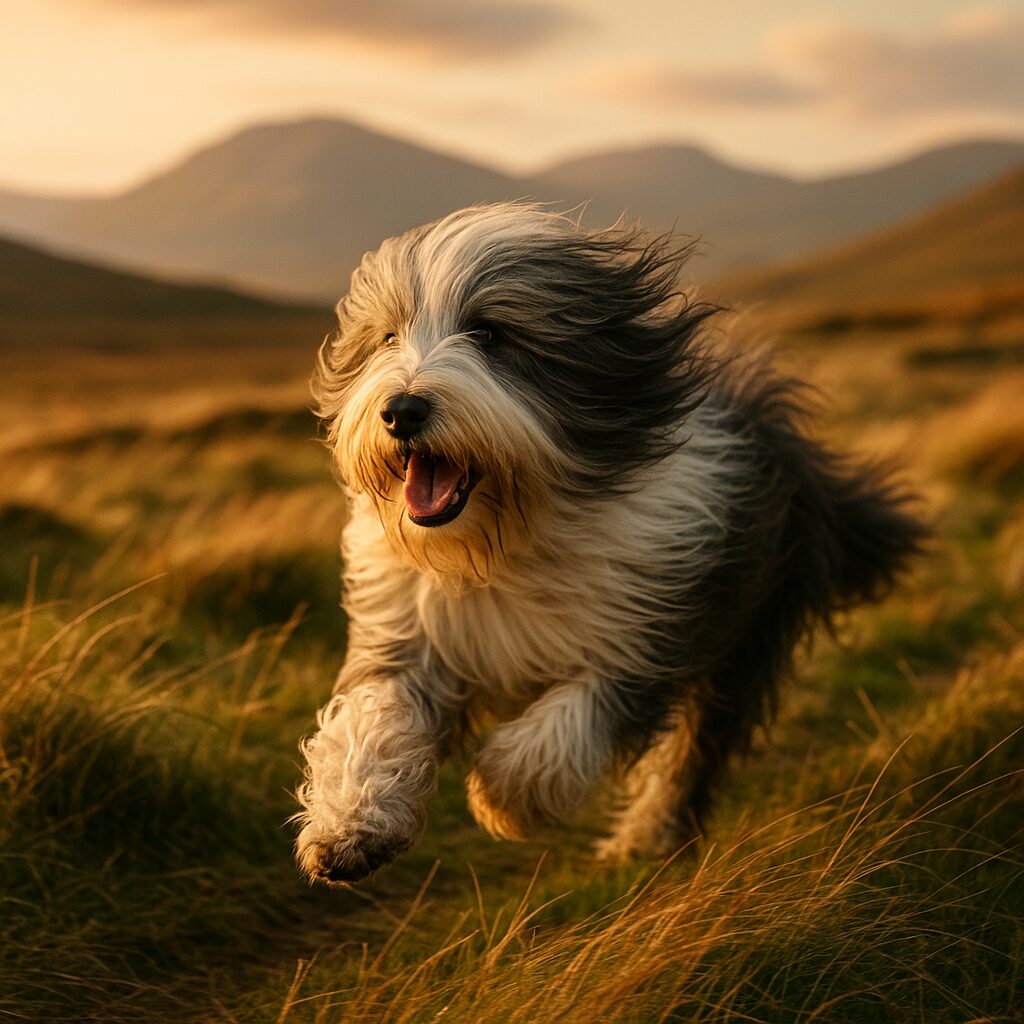
The Bearded Collie displays a harmonious body, longer than tall, with a double coat that protects against cold and moisture. The most distinctive feature is the face framed by long hair forming the “beard” and bushy eyebrows. Colors vary: gray, black, fawn, brindle or beige, sometimes with white markings on the chest or paws. The eyes are lively and the semi-drooping ears add to the mischievous expression.
| Characteristic | Standard |
|---|---|
| Male height | 51–56 cm at the withers (approx.) |
| Female height | 51–56 cm at the withers (approx.; often lighter) |
| Weight | 18–27 kg depending on build and musculature |
| Coat | Double: dense undercoat + long outer coat |
The Coat in Daily Life
Contrary to what one might imagine, a well-maintained Bearded Collie does not form invincible mats if brushed regularly. The coat is resilient and requires methodical care: thorough brushing several times a week, checking areas prone to mats (backs of legs, breeches) and discreet trimming around the eyes to preserve vision. For some owners, the choice is between daily home grooming and regular visits to a professional groomer.
Health, Prevention and Longevity
The Bearded Collie enjoys a reasonable life expectancy, often between 12 and 14 years. Some hereditary conditions can affect the breed: hip dysplasia, eye problems (such as PRA — progressive retinal atrophy — in some lines) and, more rarely, autoimmune disorders. Responsible breeders conduct screening tests and select accordingly; when adopting, always ask for health certificates and parent traceability.
Practical Veterinary Advice
- Perform regular eye exams and check family history.
- Monitor weight: excess mass increases the risk of dysplasia.
- Keep vaccinations and antiparasitic treatments up to date, especially if the dog frequents rural areas.
- Consider canine health insurance to better manage chronic illnesses.
Training, Sports and Recommended Activities
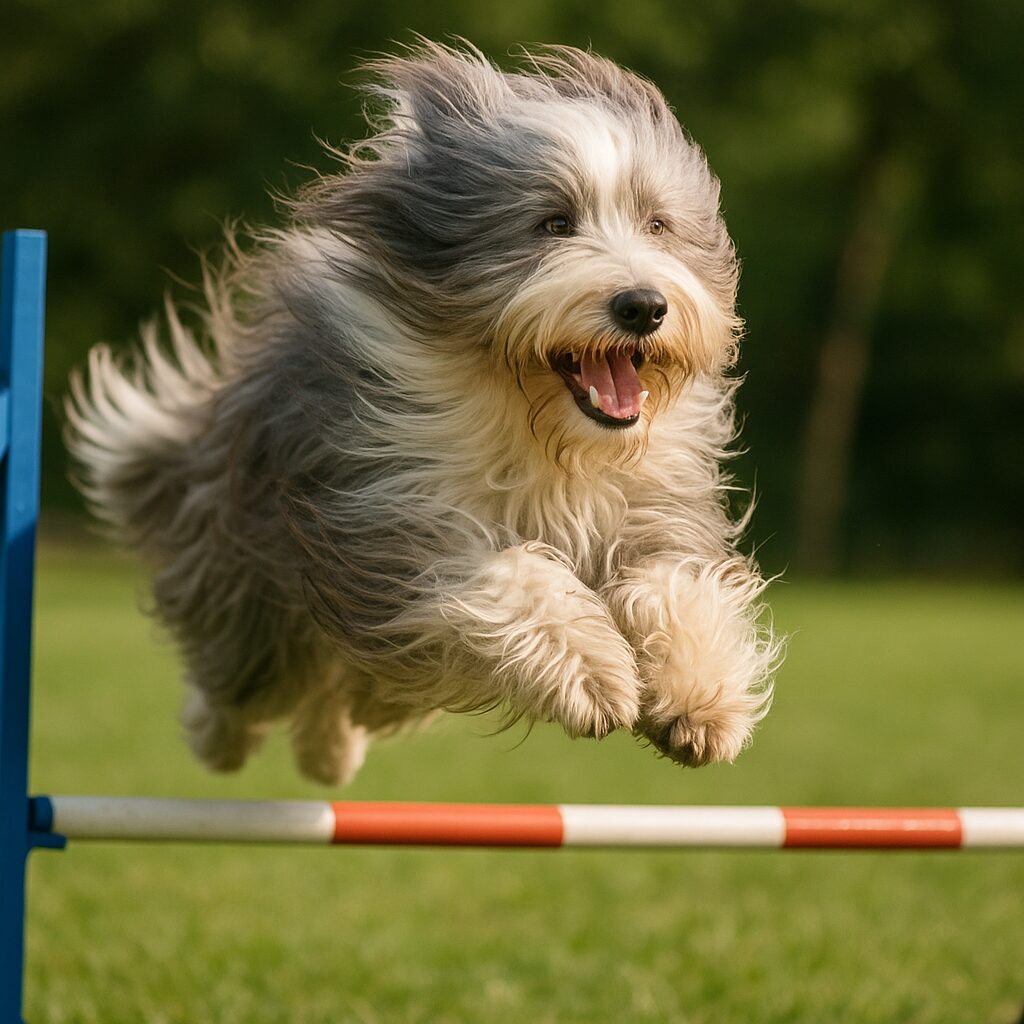
The Bearded Collie learns quickly when training is playful. Methods based on reward, variety of exercises, and consistency are the most effective. Its associative memory is good; it enjoys tricks, rhythmic obedience, and canine jobs. In competition, it excels in agility, obedience, and herding work — activities that correspond to its heritage and enthusiasm.
Typical Training Program
- 30–60 minutes of daily physical exercise: brisk walking, running, fetch games.
- Short and frequent obedience sessions (5–10 minutes, several times a day).
- Mental enrichment sessions: food puzzles, learning tricks, agility courses.
- Early socialization with humans, children, and other animals to temper exuberance.
Detailed Grooming: Tools, Frequency, and Steps
Caring for a Bearded Collie revolves around a few daily actions and occasional interventions. A wide-toothed comb, a long-bristle brush, a soft slicker brush, and straight scissors make up the basic kit. Bathing should remain occasional to avoid weakening the undercoat, but a suitable shampoo and thorough drying prevent odors and dry skin.
Weekly Routine
- Complete brushing 2 to 3 times per week; sensitive areas checked daily.
- Ear inspection and gentle cleaning if necessary.
- Nail trimming every 3–6 weeks depending on wear.
- A light trim around the eyes and paw pads, according to the desired style.
Adoption and Budget: What to Expect
Adopting a Bearded Collie involves an emotional and financial investment. The purchase cost varies depending on the breeder’s reputation, lineage, and health tests provided. Beyond the purchase price, consider recurring expenses: quality food, grooming, veterinary visits, sports activities, and possible boarding or doggy daycare during absences. Seeking a responsible breeder and visiting the parents helps anticipate the puppy’s temperament and likely health status.
Checklist Before Adoption
- Visit the breeder and meet the parents.
- Request health certificates (hips, eyes, genetic tests).
- Evaluate your schedule: enough activity and availability?
- Plan socialization and training before the puppy arrives.
FAQ
Does the Bearded Collie shed a lot?
It regularly sheds undercoat, especially during shedding seasons, but diligent brushing limits the presence of hair in the house. It is not a “hypoallergenic dog”: if you have severe allergies, do a test before adoption.
Is it suitable for apartment living?
Technically possible, but not ideal. It tolerates limited space if you compensate with several daily walks, intense play, and mental stimulation. Otherwise, it thrives better with access to a secure outdoor area.
How long does daily grooming take?
Count on 15–30 minutes for a complete brushing at the recommended frequency. Sessions can be shorter if done very regularly; professional grooming can be considered every 6–8 weeks.
Is it an easy dog to train for a novice?
Its intelligence helps, but its independence requires consistency and patience. A motivated novice, guided by a positive trainer and reliable information, can achieve very good results.
Which dog sports suit it best?
Agility, obedience, flyball, and, of course, herding work. These activities exploit its liveliness, maneuverability, and desire to cooperate.
Are there recommended health tests?
Yes: hip checks (X-rays), eye exams by a veterinary ophthalmologist, and, depending on the lines, specific genetic tests. Always request these documents from the breeder.