
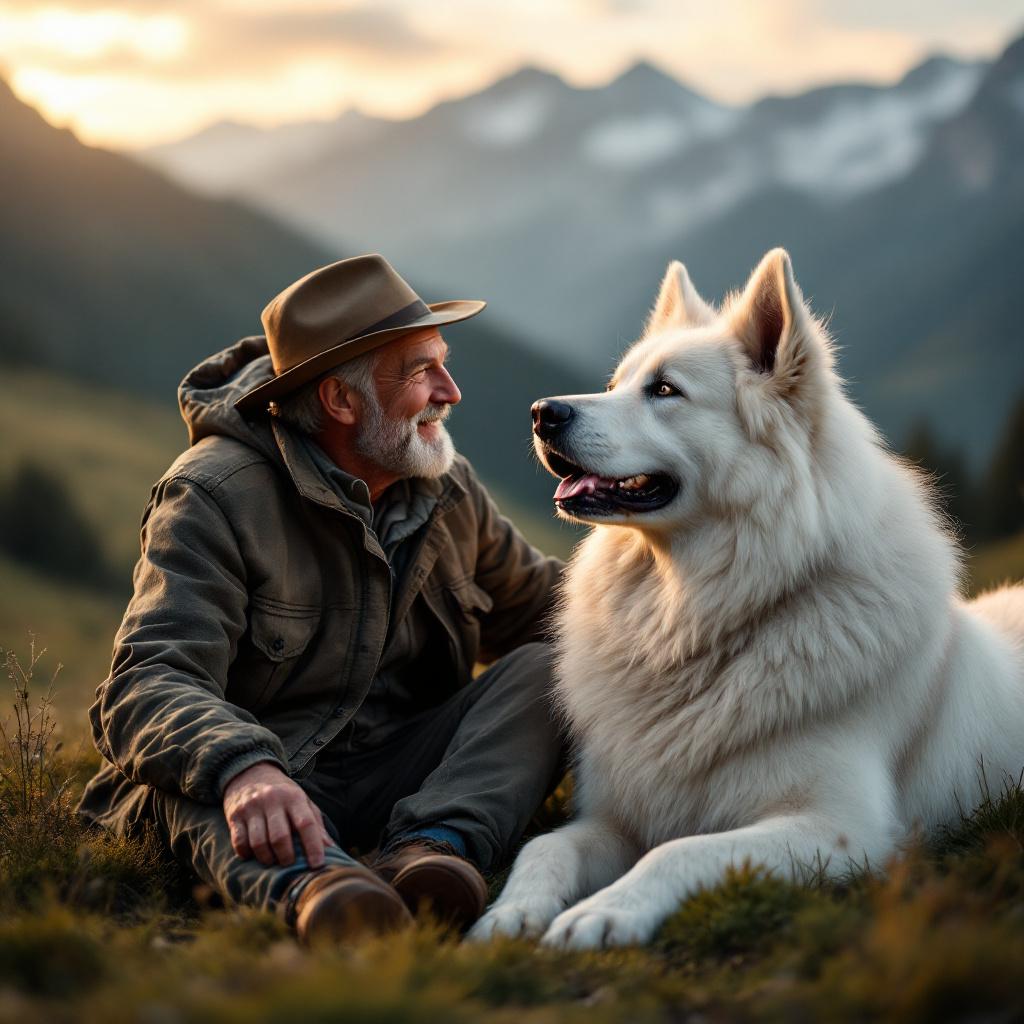
White Swiss Shepherd Dog: Temperament, Care, and Suitability
| 📌 | Breed type: a medium-to-large white herding dog with an athletic build and a double coat. |
| 🧠 | Temperament: loyal, intelligent, attentive, sensitive, and strongly people-oriented. |
| 🏃 | Daily need: regular exercise, structured training, and mental stimulation are not optional. |
| 🧴 | Coat care: seasonal shedding requires routine brushing and extra work during heavy coat changes. |
| 👨👩👧 | Family fit: suitable for active families when socialized early and supervised around children. |
| 🩺 | Health focus: discuss hip and elbow screening, dental care, vaccines, and parasite prevention with a vet. |
The White Swiss Shepherd Dog is a loyal, intelligent herding breed best suited to active homes that can provide daily exercise, calm training, grooming, and close companionship. The breed can be a good family dog, but only when its sensitivity, energy, social needs, and need for structure are understood before adoption or purchase.
A White Swiss Shepherd Dog is not a decorative white version of another breed. The dog needs clear routines, fair handling, and enough work for both body and mind. This guide explains temperament, care, training, health, puppy versus adult differences, and the practical questions to ask before choosing a breeder or rescue.
Quick Summary
- The White Swiss Shepherd Dog is attentive and people-focused, which makes isolation and unclear rules harder for the breed.
- High energy means repeated daily outlets, not one rushed walk around the block.
- Positive reinforcement, consistency, and early socialization build steadier behavior than harsh correction.
- The white double coat sheds all year, with heavier seasonal shedding periods.
- Responsible ownership starts with health screening questions, realistic time planning, and honest household fit.
What Is a White Swiss Shepherd Dog?
The White Swiss Shepherd Dog is a medium-to-large herding dog recognized by the Fédération Cynologique Internationale as a distinct breed with a white double coat, erect ears, an elongated rectangular body, and an attentive working-dog expression. The breed descends from white shepherd lines and should combine steadiness, mobility, and close cooperation with people.

The official FCI breed standard, Standard No. 347, gives the White Swiss Shepherd Dog a clear physical frame. Male dogs are listed at 58 to 66 cm at the withers, and females at 53 to 61 cm. The same FCI standard gives approximate weights of 30 to 40 kg for males and 25 to 35 kg for females. Those figures describe the breed’s intended structure, not a guarantee for every individual dog.
Breed origins and relation to the German Shepherd
The White Swiss Shepherd Dog is closely related to white shepherd lines that trace back to German Shepherd ancestry, but the breed developed as its own recognized type. The distinction matters when choosing a dog. A responsible breeder or rescue should describe temperament, health, and family fit for the White Swiss Shepherd Dog itself, not rely on a vague “white German Shepherd” label.
Key physical traits and coat type
The White Swiss Shepherd Dog has a dense double coat, strong movement, upright ears, and a body built for endurance. The coat can be medium length or long, depending on the line and registration context. A good coat protects the dog, but the same coat also brings regular shedding, visible white hair indoors, and a grooming routine that cannot be postponed during seasonal coat changes.
What the breed standard says, in plain language
The FCI standard describes a dog that should be lively without being nervous, attentive without being unstable, and friendly without losing its natural alertness. In plain language, the White Swiss Shepherd Dog should notice changes quickly, bond strongly, and recover well from everyday surprises when properly bred, raised, and trained.
| Trait | Practical meaning | Owner check |
|---|---|---|
| White double coat | Regular shedding and seasonal coat blow | Can the household tolerate visible hair? |
| Herding ancestry | Attentive, responsive, and movement-sensitive | Can the owner guide behavior calmly? |
| People-oriented nature | Strong need for companionship and routine | Will the dog spend long days alone? |
| Athletic build | Needs movement, training, and recovery time | Is daily exercise realistic year-round? |
What Is the White Swiss Shepherd Dog Temperament Like?
The White Swiss Shepherd Dog temperament is usually loyal, intelligent, attentive, and sensitive. The breed tends to bond closely with its people and often reads household routines quickly. The same awareness can become stress, barking, or reactivity when the dog lacks social exposure, rest, exercise, or clear guidance.
A White Swiss Shepherd Dog often watches first and reacts second. That trait can be useful in training because the dog notices cues, body position, door routines, and changes in tone. The risk is over-reading the environment. A dog that is constantly scanning without guidance may bark at visitors, shadow one person, or struggle when left alone.
A White Swiss Shepherd Dog needs a clear signal before a correction; guessing at the problem usually creates more noise.
Loyal, intelligent, and people-oriented nature
The breed’s loyalty is practical rather than decorative. A White Swiss Shepherd Dog often wants to stay near the household, participate in activities, and understand what is expected. Intelligence makes training easier only when the handler is consistent. An intelligent dog also learns weak routines, accidental rewards, and repeated household chaos.
Energy level and sensitivity
High energy in a White Swiss Shepherd Dog does not mean constant frantic motion. High energy means the dog needs daily outlets that include movement, problem-solving, scent work, and calm recovery. Sensitivity means the dog may respond strongly to harsh handling, sudden pressure, or unpredictable rules. The better route is firm structure without intimidation.
Typical behavior with family members and strangers
A well-socialized White Swiss Shepherd Dog can be affectionate and steady with family members, while remaining observant around strangers. Alert barking may appear when someone approaches the home, but alertness should not be confused with reliable protection work. The breed should not be treated as a shortcut to a guard dog. Stability depends on breeding, early learning, and daily handling.
- Good signs: curiosity, recovery after surprise, willingness to engage, and relaxed body language after greeting.
- Watch signs: persistent avoidance, hard staring, repeated barking, freezing, or inability to settle after a trigger.
- Owner response: reduce pressure, create distance, reward calm choices, and build exposure gradually.
Is a White Swiss Shepherd a Good Family Dog?
A White Swiss Shepherd can be a good family dog for active, structured households that supervise children, train consistently, and include the dog in daily life. The breed is less suitable for homes that want a low-maintenance companion, leave dogs alone for long stretches, or expect obedience without exercise and socialization.
Family suitability starts with the real routine. A yard does not replace walks. Children do not replace training. Affection does not replace rest. A White Swiss Shepherd Dog usually does best when adults set the rules, children learn respectful handling, and the dog has a quiet place away from noise and rough play.
Children and supervised interactions
A White Swiss Shepherd Dog can live well with children when the dog is socialized early and interactions are supervised. The breed’s size and enthusiasm matter. A young dog can knock over a small child during greeting or play, even without aggression. Adults should manage movement, toys, food bowls, resting spots, and doorways before problems begin.
Households comparing family herding breeds may also find useful perspective in this article on living with a Corgi Pembroke and children. The breeds differ, but the same family rule applies: children need coaching, and dogs need predictable boundaries.
Other dogs and pets
A White Swiss Shepherd Dog can live with other dogs and pets when introductions are controlled and the dog’s arousal is managed. Herding instincts may show as chasing, blocking movement, or intense watching. Those signals are not moral failures. They are information. The owner should interrupt early, redirect calmly, and reward disengagement before chasing becomes a routine.
Apartment living versus a house with a yard
A White Swiss Shepherd Dog can live in an apartment if the owner provides daily exercise, training, enrichment, and calm alone-time practice. A house with a yard helps only when the yard supports structured play and toileting. A bored dog in a yard may bark, pace the fence, dig, or rehearse frustration.
| Household type | Fit level | Main condition | Main risk |
|---|---|---|---|
| Active family | Often suitable | Adults lead training and supervise children | Overexcitement around play and visitors |
| Experienced owner | Often suitable | Clear routines and structured outlets | Underestimating sensitivity |
| First-time owner | Possible | Commitment to classes, socialization, and daily work | Confusing intelligence with easy ownership |
| Apartment household | Possible | Reliable outdoor routine and calm settling practice | Barking, pacing, or frustration if under-stimulated |
| Busy household | Often difficult | Dog care must be scheduled, not improvised | Separation stress and inconsistent handling |
How Much Exercise Does a White Swiss Shepherd Dog Need?
A White Swiss Shepherd Dog usually needs more than casual walking. A realistic routine combines outdoor movement, short training sessions, scent work, play, and quiet recovery. The exact amount changes with age, health, weather, and fitness, but the breed should not be chosen by owners who can only offer occasional activity.
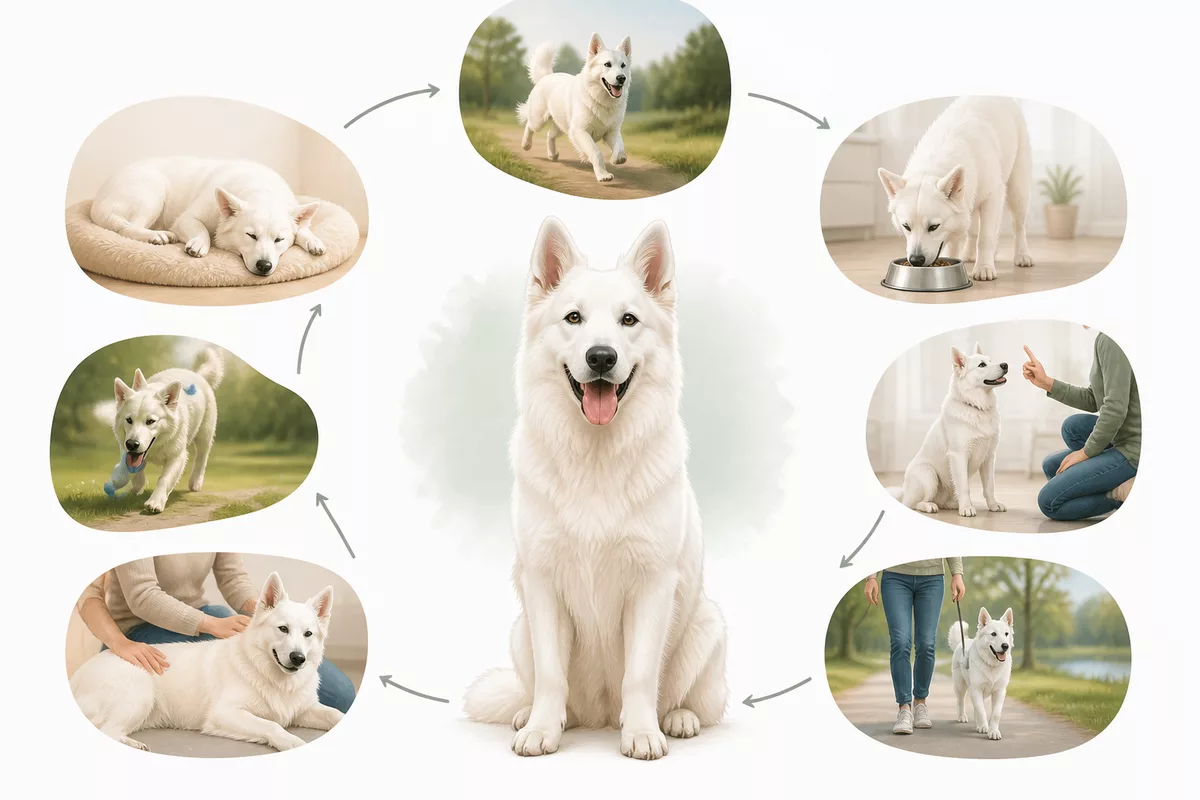
Exercise should be measured by the dog’s response, not by human pride. A White Swiss Shepherd Dog that returns from every outing more frantic than before may need better structure, not simply more distance. A dog that sleeps, eats, trains, and recovers well is giving a different signal from a dog that paces, barks, or shadows constantly.
What “high energy” means in practice
High energy in this breed means repeated daily outlets. The White Swiss Shepherd Dog benefits from varied work because physical fatigue alone does not teach calm behavior. A useful week may include leash walks, controlled off-leash time where legal and safe, recall practice, scent games, trick training, and calm settling after activity.
- Movement: brisk walks, hiking, fetch with rules, swimming where appropriate, or structured play.
- Thinking: scent searches, food puzzles, obedience games, object discrimination, or short trick sessions.
- Impulse control: waiting at doors, settling on a mat, calm greetings, and release cues.
- Recovery: quiet rest after activity, predictable sleep space, and reduced stimulation when the dog crosses threshold.
Example daily structure for an adult dog
The following routine is a planning example, not a veterinary prescription. A young puppy, senior dog, injured dog, or dog with orthopedic concerns needs different limits. A veterinarian should guide exercise after injury, during growth concerns, or when pain, lameness, or fatigue appears.
| Part of day | Useful activity | Signal to watch |
|---|---|---|
| Morning | Walk, sniffing route, short obedience refresh | Can the dog settle afterward? |
| Midday | Toilet break, food puzzle, quiet rest | Does the dog pace or demand attention? |
| Afternoon | Training game, scent work, controlled play | Does excitement stay below threshold? |
| Evening | Walk, grooming check, calm household time | Does the dog relax near people without constant input? |
How Should You Train and Socialize a White Swiss Shepherd Dog?
A White Swiss Shepherd Dog should be trained with positive reinforcement, clear criteria, and consistent routines. The breed’s sensitivity makes harsh correction risky, while its intelligence makes vague handling ineffective. Socialization should expose the dog to normal life gradually, without forcing greetings or overwhelming the dog past its coping threshold.
Good training starts by asking for the trigger. A White Swiss Shepherd Dog barking at the window, pulling on lead, or avoiding strangers may be responding to frustration, fear, excitement, insufficient exposure, or excess energy. The response changes only after the owner identifies the signal and reduces confusion.
Positive reinforcement and consistency
Positive reinforcement means rewarding the behavior you want to see again. Consistency means the same cue, same rule, and same consequence across family members. A White Swiss Shepherd Dog learns quickly when the household stops changing the answer. For example, greeting rules should be identical with guests, children, and returning adults.
Training a sensitive herding dog is not about being soft; training is about being clear before the dog has to guess.
Early socialization during puppyhood
Early socialization should include surfaces, sounds, people, traffic, veterinary handling, grooming tools, calm dog encounters, and brief separations. Socialization does not mean letting every stranger touch the puppy. Better socialization teaches the puppy that the world is predictable and that the handler will manage distance when pressure rises.
Common training mistakes to avoid
The most common mistakes are correcting the visible behavior before reading the cause, exercising the dog into exhaustion without teaching calm, and allowing inconsistent household rules. A White Swiss Shepherd Dog may look obedient one day and reactive the next when the routine changes too sharply. The pattern matters more than the single incident.
- Identify the trigger before choosing a correction or training plan.
- Work below the dog’s threshold so the dog can still eat, think, and respond.
- Reward calm observation before barking or lunging starts.
- Teach alone-time gradually before the dog must cope with long absences.
- Review exercise, sleep, pain, and household stress when behavior changes suddenly.
Puppy versus adult differences
A White Swiss Shepherd puppy needs careful exposure, bite inhibition work, toilet training, rest, and short sessions. An adult White Swiss Shepherd Dog may arrive with established habits, stronger physical power, and clearer preferences. A rescue adult can be a good choice when the household wants a known temperament, but the transition still needs decompression, routine, and patience.
What Grooming, Shedding, and Feeding Care Does the Breed Need?
The White Swiss Shepherd Dog needs regular brushing, seasonal coat management, nail care, dental care, and nutrition adjusted to body condition and activity. The white double coat is not difficult because of color alone. The real work is removing loose undercoat before mats, skin irritation, and household hair become harder to manage.
Seasonal shedding is one of the clearest ownership realities. During heavy shedding, brushing may need to become more frequent than the normal maintenance routine. Bathing should be based on coat condition, odor, skin health, and veterinary advice rather than a fixed calendar rule. Overbathing can irritate some dogs, while neglecting coat care can trap dirt and loose undercoat.
Coat care across the seasons
A White Swiss Shepherd Dog typically sheds year-round and sheds more heavily during coat changes. Owners should use tools that reach loose undercoat without cutting healthy topcoat. Grooming is also a handling lesson. Regular calm brushing teaches the dog to accept touch, standing still, paw checks, and gentle restraint.
- Routine weeks: brush to remove loose hair, check ears, inspect paws, and monitor skin.
- Heavy shedding periods: increase brushing frequency and remove undercoat in short, calm sessions.
- After mud or wet walks: dry the coat well and check for trapped debris.
- Before veterinary visits: practice gentle mouth, ear, paw, and body handling at home.
Feeding basics and body condition
Feeding should be based on age, body condition, activity level, reproductive status, and veterinary guidance. The World Small Animal Veterinary Association nutrition guidance recommends assessing body condition, diet history, and individual needs rather than relying only on a scoop size. A working, hiking, or sport-trained White Swiss Shepherd Dog may need a different plan from a calmer companion dog.
| Care area | Practical action | When to adjust |
|---|---|---|
| Brushing | Remove loose topcoat and undercoat | Increase during seasonal shedding |
| Bathing | Clean when coat condition requires it | Ask a vet if skin becomes itchy, flaky, or red |
| Food portions | Track body condition and weight trend | Adjust after growth, neutering, illness, or activity changes |
| Dental care | Build a toothbrushing routine where possible | Seek advice for bad breath, bleeding gums, or chewing pain |
What Health Considerations Should Owners Discuss With a Vet?
White Swiss Shepherd Dog health planning should include orthopedic screening questions, preventive veterinary care, dental care, vaccination planning, parasite prevention, nutrition review, and monitoring for pain or behavior change. The goal is not to assume illness. The goal is to reduce avoidable risk and catch problems early.
Hip and elbow screening matters because medium-to-large herding breeds can be affected by orthopedic disease. A responsible breeder should be willing to explain the health testing used in their lines and provide verifiable documentation. A rescue should share known veterinary history, observed mobility, medication needs, and behavior notes when available.
Preventive care priorities
The American Veterinary Medical Association describes preventive care as including regular veterinary examinations, vaccination, parasite control, dental care, nutrition, and weight management. Those basics are directly relevant to a White Swiss Shepherd Dog because athletic dogs often hide discomfort until movement, appetite, or behavior changes become more visible.
- Orthopedic discussion: ask about hip and elbow history, screening records, gait, and lameness.
- Dental routine: discuss brushing, dental checks, and signs of oral pain.
- Vaccination plan: follow a veterinarian’s schedule based on age, region, and lifestyle.
- Parasite prevention: discuss fleas, ticks, heartworm where relevant, and internal parasites.
- Nutrition review: monitor body condition and adjust food with professional guidance.
When to seek veterinary advice
A White Swiss Shepherd Dog should see a veterinarian when lameness, repeated stiffness, sudden exercise intolerance, unexplained weight change, persistent itching, digestive problems, coughing, dental pain, or major behavior change appears. Behavior is a health signal too. A dog that suddenly becomes reactive, withdrawn, or touch-sensitive may be showing pain or illness.
How Do You Choose a Responsible Breeder or Rescue?
Choosing a White Swiss Shepherd Dog should start with health transparency, temperament evidence, early socialization, and lifetime support. A responsible breeder or rescue will welcome serious questions. A risky source will rush payment, avoid documentation, hide the mother or environment, or describe the breed only with praise.
A breeder should explain why two dogs were paired, what health checks were completed, how puppies are raised, and what happens if the buyer cannot keep the dog. A rescue should describe the dog’s known history, triggers, household needs, and follow-up support. Neither route should feel like a fast transaction for a complex living animal.
Readers who want a narrative view of daily companionship may also appreciate this real owner portrait of a Swiss Shepherd. Treat any personal story as context, not proof that every White Swiss Shepherd Dog will behave the same way.
Questions to ask before committing
Good questions protect both the dog and the household. A serious source should answer clearly, provide records where appropriate, and avoid pressure tactics. The questions below are useful for puppies and adults, although the evidence will differ between a breeder litter and a rescue placement.
| Question | Why it matters | Red flag |
|---|---|---|
| What health screening is documented? | Shows attention to inherited and orthopedic risk | Verbal claims with no records |
| How are puppies or adults socialized? | Reveals exposure to normal life and handling | Dogs kept isolated from household activity |
| Can I meet the mother or assess the adult dog? | Temperament is easier to judge in context | Excuses, secrecy, or rushed handover |
| What support is available after placement? | Responsible sources plan beyond the sale | No return policy or no follow-up contact |
| What household is unsuitable for this dog? | Honest sources discuss limits | Claims that the breed fits everyone |
Breeder versus rescue decision
A puppy from a responsible breeder can suit an owner who wants to shape early training, meet relatives, and review planned health testing. An adult from rescue can suit an owner who wants a clearer view of mature size, energy, sociability, and triggers. The better choice depends on the dog in front of you, not on a slogan about adoption or buying.
Sources Useful for Responsible Ownership
Reliable sources help owners separate breed facts from marketing language. The White Swiss Shepherd Dog is often described in glowing terms, but official and veterinary sources are better for structure, health, nutrition, and preventive care. Use sources to verify claims before money changes hands.
| Source | What to check | How to use it |
|---|---|---|
| FCI Standard No. 347 | Breed structure, size, coat, and general temperament wording | Compare breeder claims with the official breed description |
| WSAVA Global Nutrition Guidelines | Body condition, diet history, and nutrition assessment | Discuss feeding decisions with a veterinarian using structured criteria |
| American Veterinary Medical Association pet care resources | Preventive care, vaccination, parasites, dental care, and veterinary exams | Build a preventive care plan with your veterinary team |
Is the White Swiss Shepherd Dog Right for You?
The White Swiss Shepherd Dog is right for you if you want an attentive, active companion and can provide daily time, training, grooming, veterinary care, and emotional steadiness. The breed is not right for you if you need a low-effort dog, long independent days, or a dog that tolerates inconsistent handling without stress.
A good decision starts with the ordinary week. Count work hours, commuting, school runs, visitor patterns, exercise habits, grooming tolerance, and backup care. A White Swiss Shepherd Dog will feel the gaps in that routine quickly. The dog does not need a perfect household. The dog needs a predictable one.
- Choose the breed if you enjoy training, outdoor activity, grooming, and close companionship.
- Pause the decision if the dog would be alone most of the day without a plan.
- Look for an adult placement if you want clearer information on mature temperament.
- Choose a puppy only if early socialization, sleep, biting, and routine training are realistic.
- Walk away from any source that hides health information or pressures a fast sale.
Key Takeaways
- 🐾 The White Swiss Shepherd Dog needs daily structure, not just affection and occasional exercise.
- 🧠 Sensitive intelligence responds best to clear signals, rewards, and consistent household rules.
- 🏃 High energy requires movement, scent work, training, and calm recovery every week.
- 🧴 The white double coat sheds visibly and needs extra care during seasonal coat changes.
- 🩺 Responsible adoption starts with health records, temperament questions, and honest lifestyle matching.
Frequently Asked Questions
Is a White Swiss Shepherd Dog good with children?
A White Swiss Shepherd Dog can be good with children when socialized early, trained calmly, and supervised by adults. The breed’s size and enthusiasm mean greetings, play, food, and resting spaces need rules. Children should learn not to climb on, chase, or disturb the dog while resting.
Does the White Swiss Shepherd Dog shed a lot?
The White Swiss Shepherd Dog sheds year-round and usually sheds more heavily during seasonal coat changes. Regular brushing helps remove loose undercoat and reduces hair around the home. The white coat makes shed hair more visible on dark clothing, furniture, and car interiors.
Can a White Swiss Shepherd Dog live in an apartment?
A White Swiss Shepherd Dog can live in an apartment if the owner provides enough outdoor activity, training, enrichment, and calm settling practice. Apartment life becomes difficult when the dog is under-exercised or left to react to hallway noise all day. A yard helps, but a yard does not replace structured care.
Is the White Swiss Shepherd Dog a guard dog?
The White Swiss Shepherd Dog is usually alert and may bark at changes around the home. Alertness should not be treated as professional guarding ability. Owners should focus on stable behavior, recall, calm greetings, and controlled exposure rather than encouraging suspicion.
Should I choose a White Swiss Shepherd puppy or adult dog?
A White Swiss Shepherd puppy suits owners who can manage early socialization, toilet training, bite inhibition, and daily routine building. An adult dog may suit owners who want clearer information about mature temperament, size, and energy. Both choices require health questions, patience, and a structured transition.